


-
L'Oreal Professionnel Blondifier Masque 500ml
Regular price $57.95Sale price $57.95 Regular priceUnit price per$109.82Sale -
Dumb Blonde No Yellow Mask 1L
Regular price $19.95Sale price $19.95 Regular priceUnit price per$49.95Sale -
Dumb Blonde No Yellow Mask 375ml
Regular price $9.95Sale price $9.95 Regular priceUnit price per$29.95Sale -
12 Reasons Keratin Mask 250ml
Regular price $24.95Sale price $24.95 Regular priceUnit price per$26.50Sale -
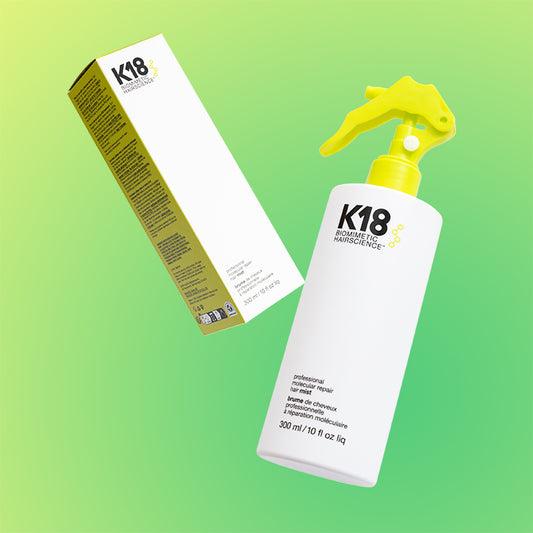
K18 Leave-In Molecular Repair Mist 300ml
Regular price $289.00Sale price $289.00 Regular priceUnit price per$300.00Sale -
Fanola No Yellow Mask 1L
Regular price $9.95Sale price $9.95 Regular priceUnit price per$57.90Sale -
Fanola No Yellow Mask 350ml
Regular price $4.95Sale price $4.95 Regular priceUnit price per$37.90Sale -
Fanola No Yellow Vegan Mask Sulfate Free 1L
Regular price $59.90Sale price $59.90 Regular priceUnit price per$59.90 -
Dumb Blonde No Orange Mask 375ml
Regular price $9.95Sale price $9.95 Regular priceUnit price per$29.95Sale -
Dumb Blonde No Orange Mask 1L
Regular price $19.95Sale price $19.95 Regular priceUnit price per$49.95Sale -
Dumb Blonde No Orange Shampoo 375ml
Regular price $9.95Sale price $9.95 Regular priceUnit price per$29.95Sale -
Dumb Blonde No Orange Shampoo 1L
Regular price $19.95Sale price $19.95 Regular priceUnit price per$49.95Sale -
Dumb Blonde No Yellow Shampoo 1L
Regular price $19.95Sale price $19.95 Regular priceUnit price per$49.95Sale -
Dumb Blonde No Orange Duo Pack 375ml
Regular price $18.90Sale price $18.90 Regular priceUnit price per$59.90Sale -
Dumb Blonde No Yellow Duo Pack 375ml
Regular price $18.90Sale price $18.90 Regular priceUnit price per$59.90Sale -
Dumb Blonde No Yellow Shampoo 375ml
Regular price $9.95Sale price $9.95 Regular priceUnit price per$29.95Sale -
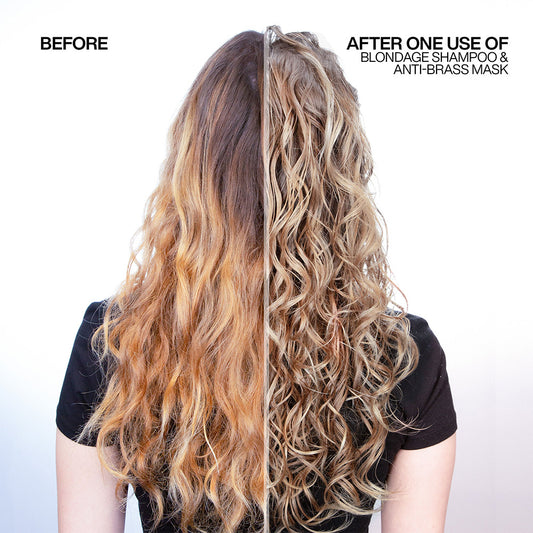
Redken Color Extend Blondage Express Anti-Brass Purple Hair Mask 250ml
Regular price $58.00Sale price $58.00 Regular priceUnit price per$75.40Sale -
Natural Look Silver Screen Ice Blonde Toning Mask 400ml
Regular price $19.76Sale price $19.76 Regular priceUnit price per$21.95Sale -
Georgiemane Purple Mask 200ml
Regular price $44.99Sale price $44.99 Regular priceUnit price per$54.99Sale -
Kallos Plex No Yellow Mask 1L
Regular price $19.95Sale price $19.95 Regular priceUnit price per$24.95Sale -
Schwarzkopf Professional BLONDME Bond Repair Purple Mask 200ml
Regular price $36.45Sale price $36.45 Regular priceUnit price per -
Fanola No Yellow Vegan Mask Sulfate Free 350ml
Regular price $19.95Sale price $19.95 Regular priceUnit price per$39.90Sold out -
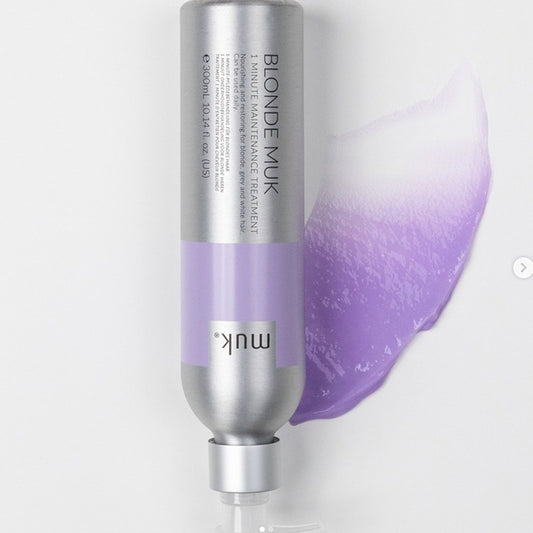
Muk Blonde Muk 1 Minute Treatment 200ml
Regular price $12.00Sale price $12.00 Regular priceUnit price per$29.95Sold out







Your Questions Answered
About 3 to 5 washes for maintenance, or 7 to 10 days of visible tone improvement. A purple mask for blonde hair deposits colour deeper than shampoo, but it still fades gradually with each wash. That's why weekly use helps. One mask won't last a month. Think of it like your colour service, refreshed on a schedule.
Mostly, yes. The violet pigment won't significantly change unlightened hair, though it can leave dark blonde or light brown hair looking slightly dull or ashy if it sits on them. Keeping the mask on your lightened pieces, as covered in the application steps, avoids that.
Yes. For damaged blonde hair, it's often a gentler option than purple shampoo, which can be drying, since the mask tones and conditions in one step. Use it weekly, and keep a separate repairing treatment for strength, as covered in the routine above.


