Anti-Frizz Shampoo
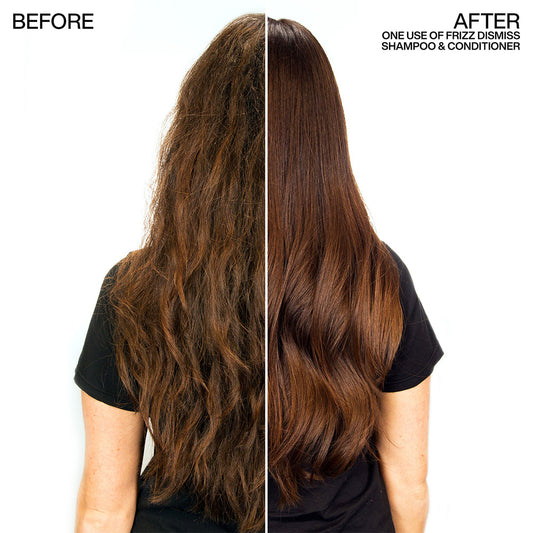
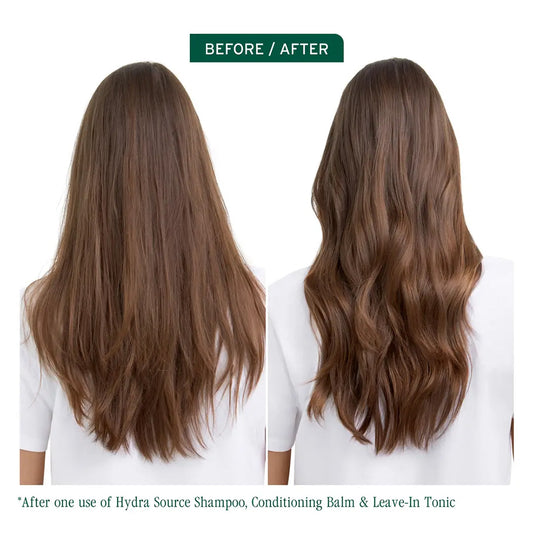
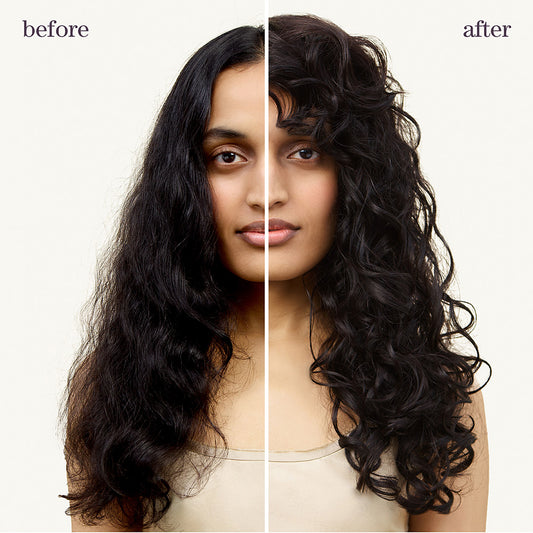
Anti-frizz shampoo is a cleanser that coats the cuticle and locks out the humidity that causes frizz. It moisturises the hair and lays the cuticle flat with oils and proteins, so frizz stays down instead of puffing up. Frizz flares in warm, humid weather, and heat styling or colour treatments make it worse. Not everyone needs one, but if your hair frizzes easily, it helps. A salon-grade formula does this without stripping the strand, so the result holds for days instead of fading by the next wash.
What Matters When Buying an Anti-Frizz Shampoo
Before you commit, take a look at the active ingredients, how much sulphate is in them, and how heavy or light the formula is.
-
Active ingredient. Oil-led formulas like 12 Reasons Argan Oil Shampoo and 12 Reasons Marula Oil Shampoo (both 400ml and 1L) give slip and softness, which is exactly what dry, frizzy hair is after. Keratin-led shampoos like Brasil Cacau Anti Frizz Shampoo and Luxliss Keratin Daily Care Shampoo go a step further by rebuilding the cuticle, making them the right pick after a keratin treatment or any chemical service.
-
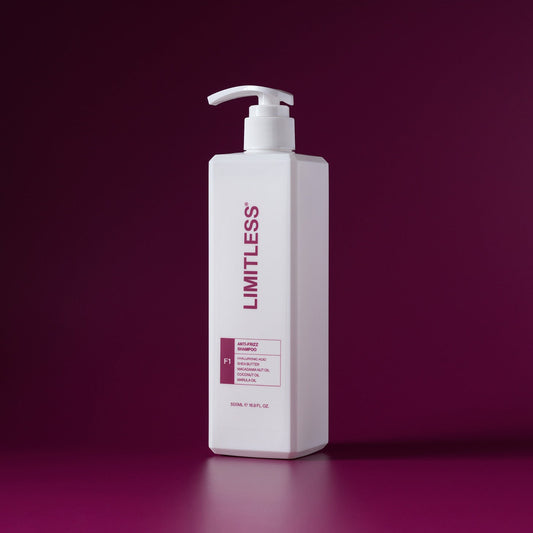
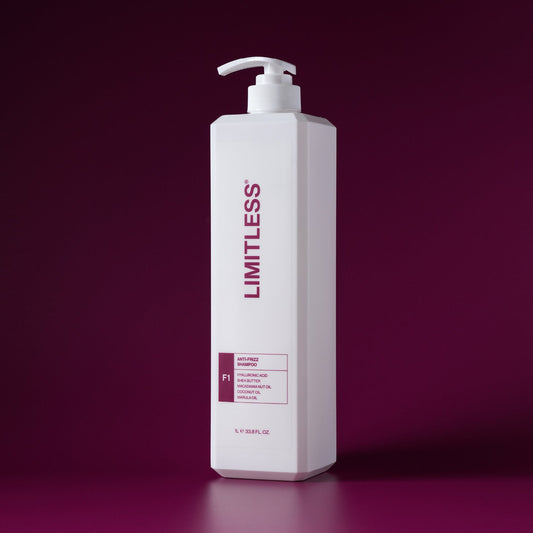
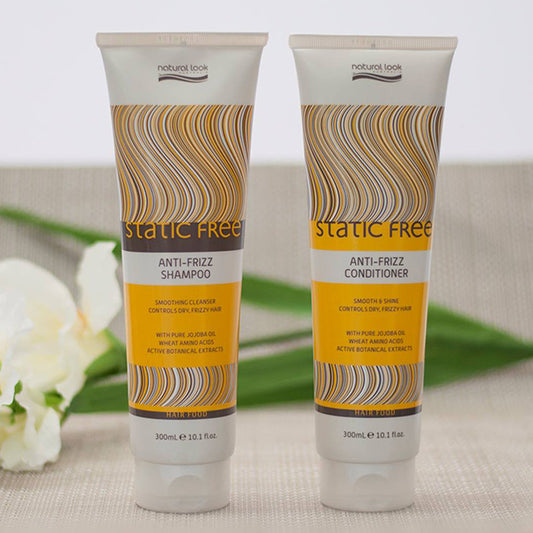
Sulphate content. Coloured or chemically straightened hair needs a sulphate-free shampoo. Natural Look Static-Free Anti-Frizz Shampoo and Limitless F1 Anti-Frizz Shampoo both meet that requirement.
-
Weight. Heavy formulas drag fine hair flat quickly. Something lighter, like Paul Mitchell Spring Loaded Frizz-Fighting Shampoo, gives wavy hair control without sacrificing root lift.
Matching the Formula to Your Hair Type
The right anti-frizz shampoo depends on what your hair is doing. Here is the breakdown by hair type.
-
Fine and frizzy. Keep the formula lightweight. Heavier oils flatten fine hair at the root within a wash or two. Paul Mitchell Spring Loaded Frizz-Fighting Shampoo (250ml) is the safer option. Where lift is also needed, alternating with a wash from volumising shampoo keeps both concerns covered.
-
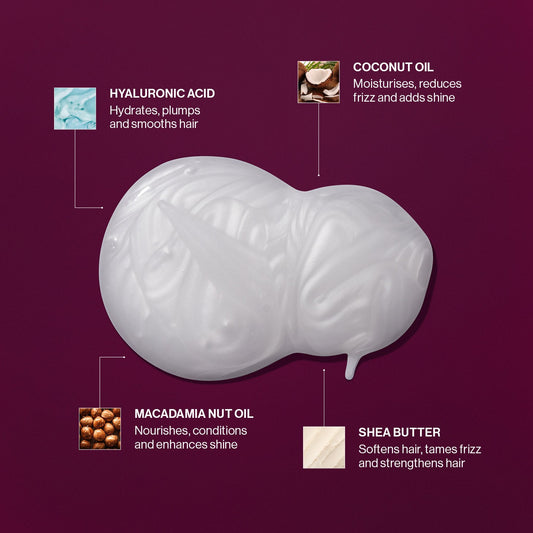
Dry and frizzy. Oil-rich, protein-supported shampoos are the go. A good shampoo for dry, frizzy hair relies on argan, marula, or macadamia oils to restore slip to the strand. Both 12 Reasons Marula Oil Shampoo and Brasil Cacau Anti Frizz Shampoo perform well here.
-
Coloured and frizzy. Consider using a sulphate-free formula. Limitless F1 Anti-Frizz Shampoo (500ml or 1L) and Natural Look Static-Free Anti-Frizz Shampoo both fit well with a tone-protecting colour shampoo.
-
Curly and frizzy. Heavier shampoos with humectants and proper slip are what curly hair needs. The DevaCurl No-Poo range was built around this specific need. A co-wash routine pairs effectively with matching styling pieces from our hair products for frizzy hair range.
If you've just had a keratin treatment, consider switching to a shampoo designed to maintain the result. A keratin shampoo suited to post-treatment care is a practical choice.
Why Salon-Grade Anti-Frizz Shampoo Holds Longer?
What sets professional frizz-control shampoo apart from standard retail is the concentration of active ingredients and the quality of the formula. A salon-grade shampoo deposits enough of the active ingredients in a single wash to last for two or three days, even in humid weather. Cheaper alternatives dilute them to keep costs down, which is why the frizz control often fades within a day.
The same principle applies at home or in the salon. When you're washing clients back-to-back, you need formulas that work consistently and keep the cost per wash down.
Our anti-frizz range includes brands like Limitless, Brasil Cacau, and Paul Mitchell. From oil-rich slip to keratin repair, these are the same formulas professionals trust. The wider shampoo range covers other hair types and concerns. For salons, we stock the same products in our bulk shampoo range, so you can keep frizz in check wash after wash without driving up your per-client cost.
How to Use Anti-Frizz Shampoo
Anti-frizz shampoo works best when used two to three times a week, because washing every day strips away the smoothing buildup and can actually make frizz worse. But how you use it matters just as much as how often. A few small habits can make a real difference to your results:
-
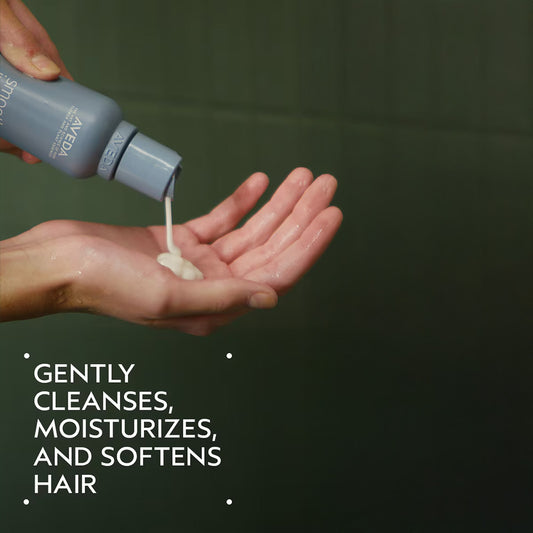
Emulsify the shampoo before applying. Lathering directly onto wet hair roughs up the cuticle. Work a 10-cent dose between your palms first, then apply it to the scalp.
-
Keep scrubbing the scalp. Massage the shampoo into the scalp and let the suds travel through the lengths on the rinse. The lengths are already the driest part of the hair, and scrubbing them directly creates more frizz rather than less.
-
Rinse with cool water. Cold water helps seal the cuticle flat, and this single step makes a noticeable difference between hair that holds and hair that puffs up by midday.
-
Be gentle when drying. Squeeze out the water with a microfibre towel or an old cotton t-shirt. Rubbing with terry-cloth lifts the cuticle straight back up.
Always follow the shampoo with anti frizz conditioner applied from the mid-lengths to the ends, keeping it off the roots. And to make the results last, round out your routine with a smoothing balm or finishing oil, apply a heat protectant before any hot tools, and use professional hair treatments. For styling inspiration, our 10 Easy Hairstyles For Frizzy Hair guide is a good place to start.
If you have chemically smoothed hair, swapping in a keratin shampoo on main wash days can help extend your treatment. And if you're not seeing the results you want, the issue is often more about hydration than the shampoo itself. Adding a weekly mask or switching to a smoothing shampoo can give you a sleeker, more polished finish.