Collection: Cleansing Conditioner

Cleansing Conditioner

Over time, oil, sweat, and styling products build up on the hair, leaving it dull and harder to manage. The trick is cleaning it without stripping it dry. That's what a cleansing conditioner does. Also called a co-wash, it's a two-in-one product that washes and conditions in one step. It lifts dirt and buildup with mild, sulphate-free cleansers, so hair feels soft and hydrated afterwards, not stripped.

It suits dry, coarse, curly, or colour-treated hair. It's not ideal for oily scalps or fine hair, which it can weigh down. For the right hair type, it can replace shampoo once or twice a week.

For salons, a cleansing conditioner earns its place on the shelf. It's a strong go-to for clients in for a wash and blow-dry, and a smart pre-colour wash, clearing buildup so the colour can reach the cuticle and take on more evenly. The one time to skip it is straight after a colour service.

Why Co-Washing Makes a Difference?

Switching to a cleansing conditioner covers several needs in one step:

  • Keeps moisture in. Natural oils stay on the hair rather than getting washed away, which avoids the dry, brittle, frizz-prone result that follows a heavy strip.

  • Defines curls. Co-washing is a staple of the curly-hair community. Wavy, curly, and coily patterns stay clumped and hydrated rather than fluffy and expanded.

  • Protects colour and damaged hair. Less stripping means less fade on dyed hair and less stress on over-processed lengths, which can add weeks to the life of a colour service.

  • Saves time. The shampoo-then-conditioner two-step collapses into one shower step.

If you're not sure co-washing fits your hair type, our guide to sulphates and parabens breaks down what's in your shampoo and how different cleansers affect your hair.


Cleansing Conditioner vs Low-Poo vs Regular Shampoo

Regular shampoo contains sulphates or other strong surfactants. It lathers heavily, strips natural oils, and suits oily scalps well. On dry or curly hair, the effect is harsh.

Low-poo uses gentler surfactants (such as cocamidopropyl betaine) for a light lather. It cleans without stripping and works well for wavy hair, looser curls, and slightly dry scalps. A sulphate-free shampoo lands in this territory for most people.

Cleansing conditioner skips traditional surfactants. Emulsifiers and oils do the cleaning, producing little to no lather while hydrating. It's made for tight curls, coily hair, dry scalps, and damaged lengths.

The right call depends on your hair. Tight curls point to a cleansing conditioner, wavy hair points to low-poo, and oily straight hair points to regular shampoo.

Using a Cleansing Conditioner Properly

Co-washing needs a slightly different technique than regular shampooing. The product is mild, so the steps matter more.

  1. Saturate the hair fully with warm water for a full minute. This loosens surface dirt before the cleansing conditioner touches the scalp.

  2. Apply generously. It doesn't lather, so you need much more than shampoo, 4 to 8 pumps or a 50-cent piece, depending on thickness and length.

  3. Massage it into the scalp with your fingertips for 60 to 90 seconds. The friction lifts oil and dirt, since there are no suds to do it.

  4. Pull the product down through the mid-lengths and ends, detangling with your fingers or a wide-tooth comb.

  5. Leave it on for 3 to 5 minutes so the hydrating ingredients can absorb.

  6. Rinse thoroughly, massaging the scalp as you go. Any residue left behind leaves hair feeling coated.

  7. Follow with a regular conditioner only if needed. Many co-washes are hydrating enough alone. Towel-dry and check first.

How often to use it: type 4 coils can co-wash every 5 to 7 days, type 3 curls do well 2 to 3 times a week, and type 2 waves can co-wash once a week and low-poo the rest. Check out our advice every curly-haired person should know for more details.

A complete co-wash routine looks like this: cleansing conditioner 1 to 3 times a week, a lightweight rinse-out conditioner on the ends if needed, a leave-in conditioner or curl cream applied to damp hair, and a hair mask weekly for deeper hydration or protein. The broader hair care products for curly hair range covers the full styling system that sits around the wash step.


Why Salon-Grade Co-Wash Performs Better?

The difference between a salon-grade cleansing conditioner and a standard retail version comes down to the cleansers and conditioning agents. Professional co-washes use higher-quality, non-stripping cleansers that remove dirt without disrupting the hair's natural moisture balance. They also contain more effective conditioning ingredients that absorb into the hair rather than just coating the surface. Retail versions often rely on lower-grade cleansers that can still leave hair feeling dry, or they water down the conditioning agents so much that you don't get the hydration your hair needs.

Salon-grade formulas also tend to have a better pH balance, which helps keep the cuticle smooth and the hair soft after washing. With regular use, the difference is noticeable. Hair becomes softer, more defined, and easier to manage without the dryness that regular shampoos can cause.

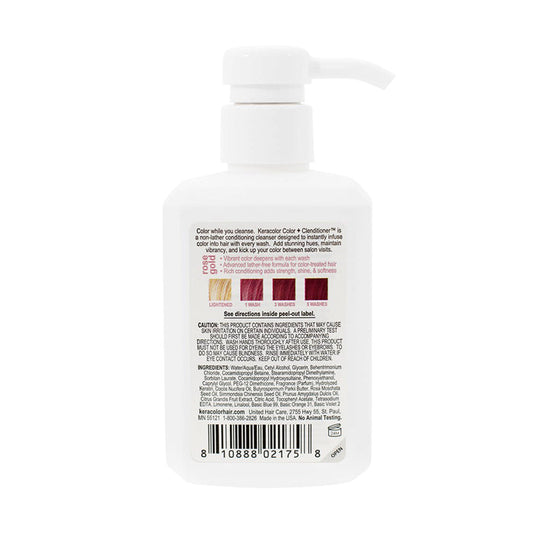
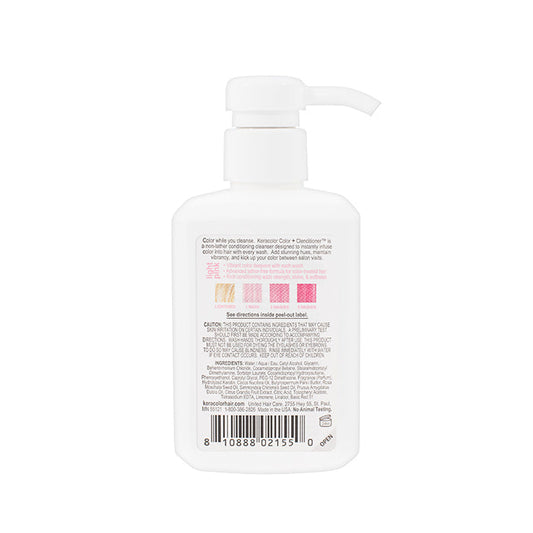
AMR stocks DevaCurl, Moroccanoil, Keracolor, and other professional co-wash brands in retail and back-bar sizes, with bulk conditioner options for salons and Australia-wide shipping. For other conditioner types and concerns, explore the wider conditioner range.


Read more

13 products

Your Questions Answered

Yes, but with care. A heavy co-wash formula will overload fine hair, leaving it flat and greasy within a day. A lighter option like DevaCurl Low-Poo Delight is the better fit. Apply it to the lengths only, avoid the scalp, and use it once a week. A gentle everyday shampoo works better for the other washes.

Expect 2 to 4 weeks. The first wash can feel waxy as old silicone lifts from the hair. Run a clarifying shampoo once at the start to clear that residue, then stick with the co-wash routine. Around week 3, curls tend to clump more naturally, and the lengths feel softer. By week 4 you'll have a clear read on whether it suits your hair. If things still feel heavy at that point, your hair likely wants a low-poo or sulphate-free wash instead.

No. A 2-in-1 still uses regular surfactants to cleanse and layers a small amount of conditioning on top. A cleansing conditioner leaves surfactants out, cleaning through mild emulsifiers and oils instead. That difference makes it gentler and a much better fit for curls and dry hair.

Not reliably. The formula is too mild to shift chlorine, minerals, or heavy product accumulation on its own. Those need a clarifying wash to clear properly. If you swim regularly or have hard water, keep a clarifying shampoo in rotation alongside your co-wash.