


-
Olaplex No.0 Intensive Bond Building Treatment 155ml
Regular price $44.95Sale price $44.95 Regular priceUnit price per$61.20Sale -
12 Reasons Keratin Mask 250ml
Regular price $24.95Sale price $24.95 Regular priceUnit price per$26.50Sale -
12 Reasons Argan Oil Mask 250ml
Regular price $22.95Sale price $22.95 Regular priceUnit price per$26.50Sale -
12 Reasons Marula Oil Mask 250ml
Regular price $22.53Sale price $22.53 Regular priceUnit price per$26.50Sale -
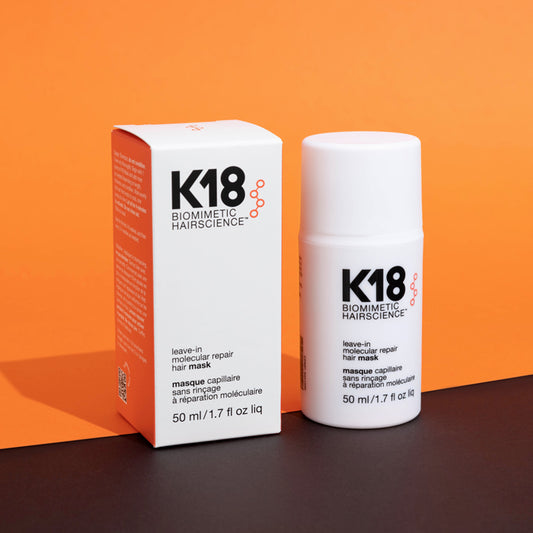
K18 Leave-In Molecular Repair Mask 50ml
Regular price $114.95Sale price $114.95 Regular priceUnit price per$114.95 -
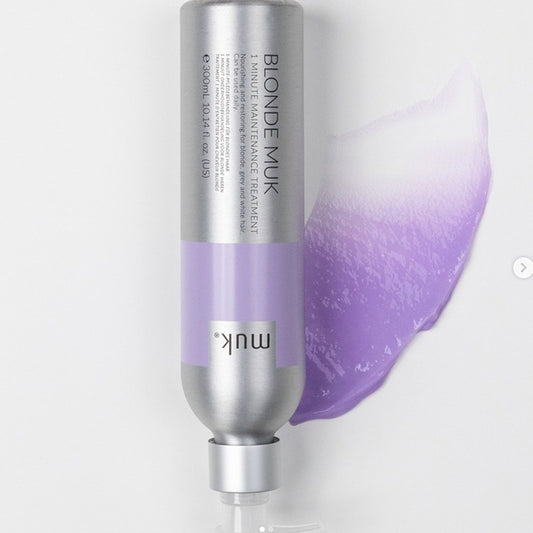
Muk Blonde Muk 1 Minute Treatment 200ml
Regular price $26.96Sale price $26.96 Regular priceUnit price per$29.95Sale -
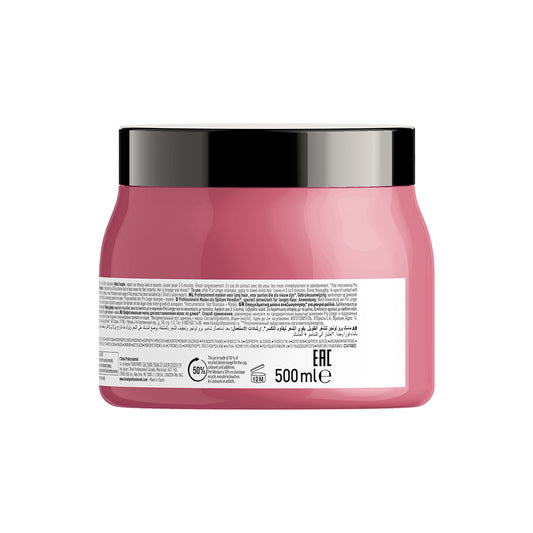
L'Oréal Professionnel Pro Longer Mask 500mL
Regular price $57.95Sale price $57.95 Regular priceUnit price per$109.82Sale -
BackBar Intense Treatment 5L
Regular price $40.00Sale price $40.00 Regular priceUnit price per$79.90Sale -
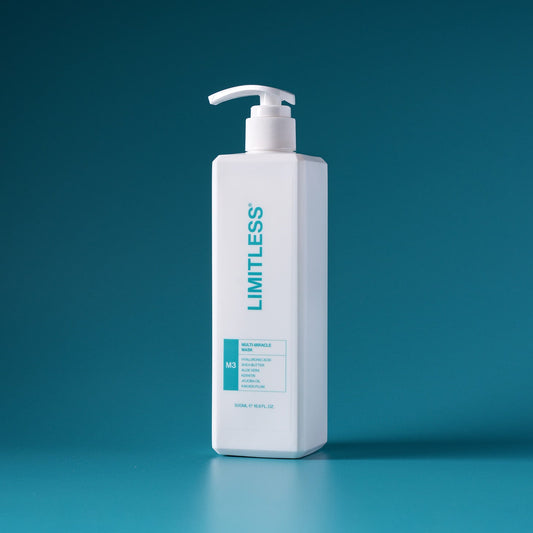
Limitless M3 Multi-Miracle Mask 500ml
Regular price $27.95Sale price $27.95 Regular priceUnit price per$27.95 -
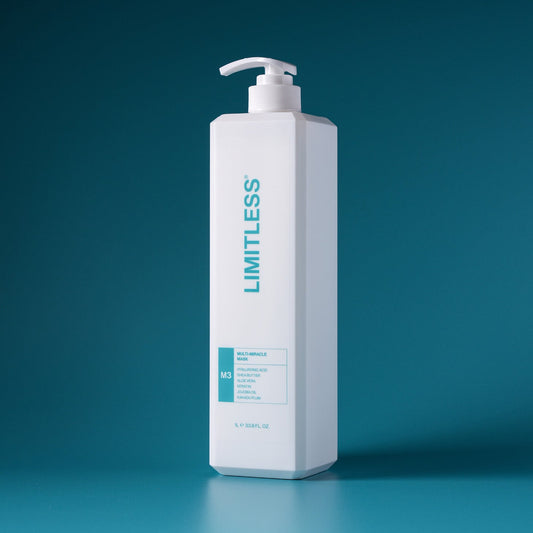
Limitless M3 Multi-Miracle Mask 1L
Regular price $42.95Sale price $42.95 Regular priceUnit price per$42.95 -
Natural Look Colour Art Deep Mask 980ml
Regular price $58.50Sale price $58.50 Regular priceUnit price per$65.00Sale -
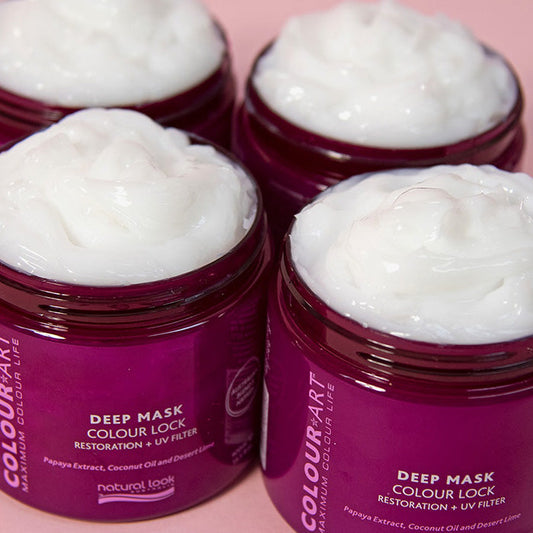
Natural Look Colour Art Deep Mask 400g
Regular price $31.50Sale price $31.50 Regular priceUnit price per$35.00Sale -
Natural Look Intensive Reconstructive Treatment 5L
Regular price $54.00Sale price $54.00 Regular priceUnit price per$60.00Sale -
Redken Frizz Dismiss Mask Smoothing 250ml
Regular price $44.10Sale price $44.10 Regular priceUnit price per$57.33Sale -
-
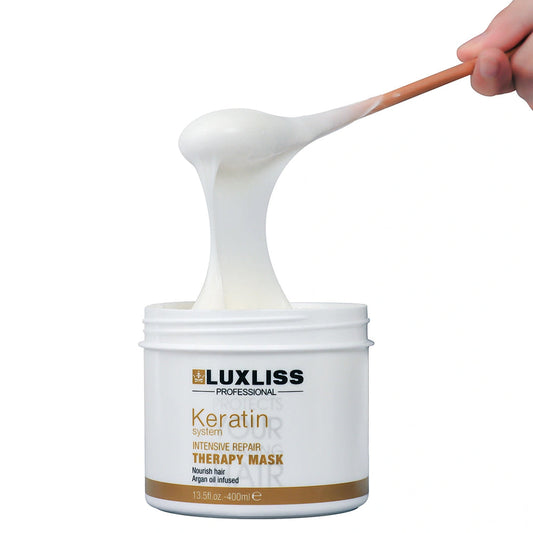
Luxliss Keratin Intensive Repair Therapy Mask 400ml
Regular price $21.18Sale price $21.18 Regular priceUnit price per$52.95Sale -
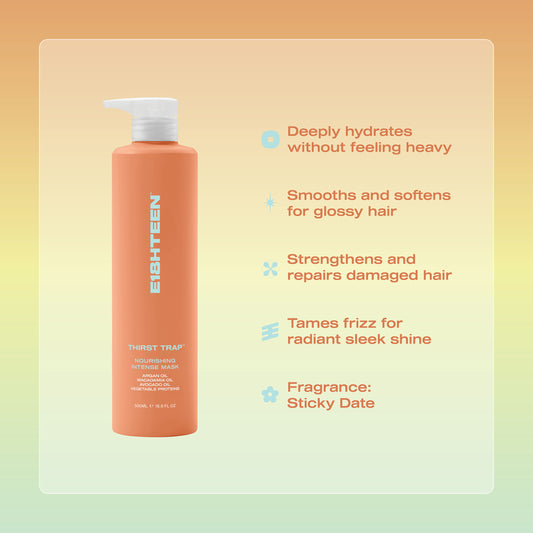
E18HTEEN Thirst Trap Nourishing Intense Mask 500ml
Regular price $14.95Sale price $14.95 Regular priceUnit price per$39.95Sale -
L'Oréal Professionnel Absolut Repair Golden Mask 500mL
Regular price $59.95Sale price $59.95 Regular priceUnit price per$109.82Sale -
L'Oréal Professionnel Vitamino Color Mask 500mL
Regular price $79.95Sale price $79.95 Regular priceUnit price per$109.82Sale -
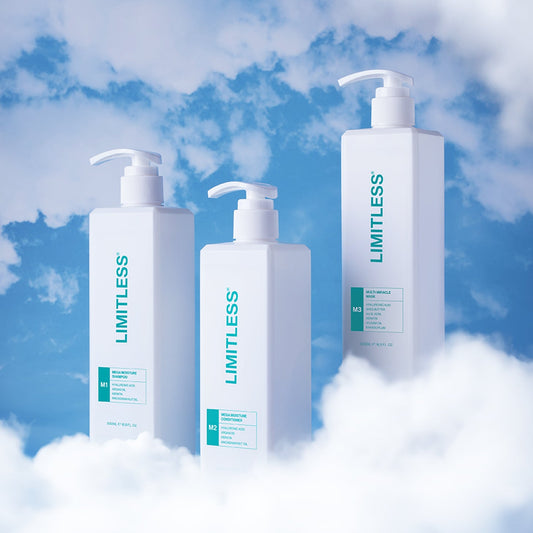
Limitless Mega Moisture Trio Pack 500ml
Regular price $70.00Sale price $70.00 Regular priceUnit price per$70.00 -
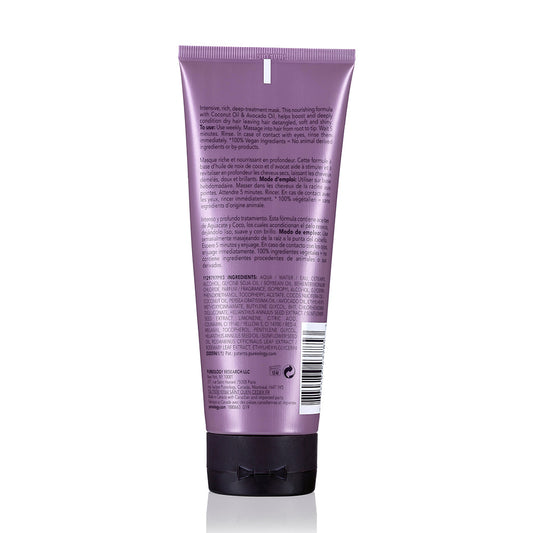
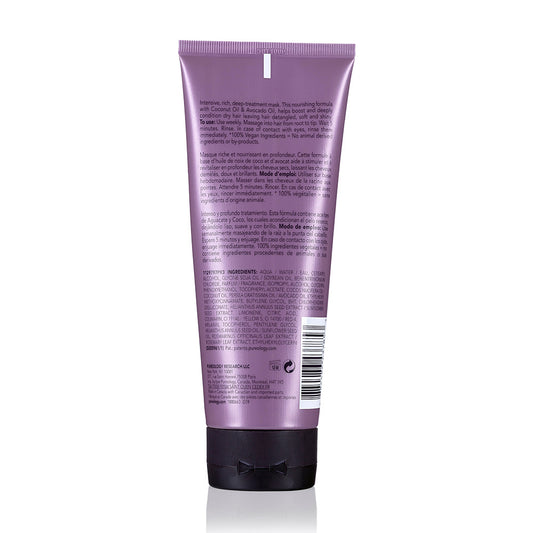
Pureology Hydrate Treatment Mask 250ml
Regular price $65.00Sale price $65.00 Regular priceUnit price per$84.50Sale -
Pureology Strength Cure Superfood Treatment 200ml
Regular price $57.60Sale price $57.60 Regular priceUnit price per$74.88Sale -
Pureology Color Fanatic Multi-Tasking Deep-Conditioning Mask 200ml
Regular price $58.50Sale price $58.50 Regular priceUnit price per$76.05Sale -
Pureology Strength Cure Treatment Mask 250ml
Regular price $65.00Sale price $65.00 Regular priceUnit price per$84.50Sale -
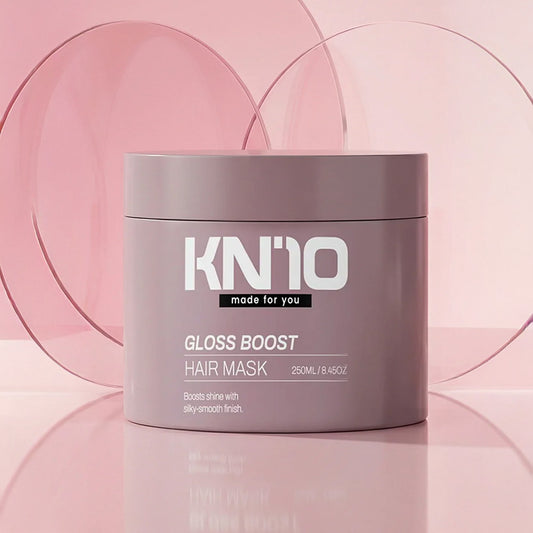
KN10 Gloss Boost Hair Mask 250ml
Regular price $49.95Sale price $49.95 Regular priceUnit price per$64.94Sale -
Wella Professionals Invigo Volume Boost Crystal Mask 145ml
Regular price $26.32Sale price $26.32 Regular priceUnit price per$34.22Sale -
Wella Professionals Premium Care Elements Renewing Moisturising Mask 150ml
Regular price $28.39Sale price $28.39 Regular priceUnit price per$36.91Sale -
Wella Professionals Premium Care ColorMotion+ Structure+ Mask 150ml
Regular price $28.39Sale price $28.39 Regular priceUnit price per$36.91Sale -
Wella Professionals Invigo Color Brilliance Vibrant Color Mask 150ml
Regular price $26.32Sale price $26.32 Regular priceUnit price per$34.22Sale -
Wella Professionals Invigo Nutri-Enrich Deep Nourishing Mask 150ml
Regular price $26.32Sale price $26.32 Regular priceUnit price per$34.22Sale -
Wella Professionals Premium Care Fusion Intense Repair Mask 150ml
Regular price $28.39Sale price $28.39 Regular priceUnit price per$36.91Sale -
Wella Professionals Premium Care Oil Reflections Luminous Reboost Mask 150ml
Regular price $28.39Sale price $28.39 Regular priceUnit price per$36.91Sale -
Nioxin Anti-Breakage Strengthening Mask 150ml
Regular price $25.72Sale price $25.72 Regular priceUnit price per$33.44Sale -
Nioxin Anti-Breakage Strengthening Mask 500ml
Regular price $56.01Sale price $56.01 Regular priceUnit price per$72.81Sale -
Wella Professionals Premium Care Nutricurls Mask for Waves and Curls 500ml
Regular price $44.81Sale price $44.81 Regular priceUnit price per$58.25Sale -
Wella Professionals Premium Care Nutricurls Mask for Waves and Curls 150ml
Regular price $28.39Sale price $28.39 Regular priceUnit price per$36.91Sale -
Wella Professionals Invigo Nutri-Enrich Deep Nourishing Mask 500ml
Regular price $40.35Sale price $40.35 Regular priceUnit price per$52.46Sale -
Wella Professionals Premium Care Fusion Intense Repair Mask 500ml
Regular price $44.81Sale price $44.81 Regular priceUnit price per$58.25Sale -
Wella Professionals Invigo Color Brilliance Vibrant Color Mask 500ml
Regular price $40.35Sale price $40.35 Regular priceUnit price per$52.46Sale -
Pureology Hydrate Superfood Deep Treatment Mask 200ml
Regular price $57.60Sale price $57.60 Regular priceUnit price per$74.88Sale























Your Questions Answered
You shouldn't. A conditioning mask is too heavy for daily or every-wash use, and using it that often leads to buildup, limpness, and a greasy feel. Keep a lightweight rinse-out conditioner for regular washes, and treat the mask as a weekly step. They're different tools for different jobs.
A few likely causes. One, you applied it too close to your scalp; conditioner belongs from the ears down. Two, you used too much; shoulder-length hair needs a 50-cent piece, not a handful. Three, the formula is simply too rich for your hair type, so a lighter mask will sit better.
Wait 3 to 5 days. Freshly coloured hair needs time for the cuticle to settle, and masking too soon can push colour molecules out of the cortex. Once that window passes, a conditioning mask supports your colour rather than stripping it.
No, they fix different things. A conditioning mask is about smoothness and manageability, the everyday softness covered above. A hydrating mask is about moisture, for hair that feels genuinely dry or brittle. Use one, the other, or alternate them, depending on what your hair needs that week.


