


-
Keratin Complex Blondeshell Conditioner 400ml
Regular price $28.88Sale price $28.88 Regular priceUnit price per$57.75Sale -
12 Reasons Argan Oil Conditioner 400ml
Regular price $23.95Sale price $23.95 Regular priceUnit price per$29.95Sale -
12 Reasons Marula Oil Conditioner 400ml
Regular price $23.95Sale price $23.95 Regular priceUnit price per$29.95Sale -
12 Reasons Keratin Conditioner 400ml
Regular price $23.95Sale price $23.95 Regular priceUnit price per$29.95Sale -
12 Reasons Marula Oil Conditioner 1L
Regular price $42.95Sale price $42.95 Regular priceUnit price per$59.95Sale -
12 Reasons Argan Oil Conditioner 1L
Regular price $43.69Sale price $43.69 Regular priceUnit price per$59.95Sale -
12 Reasons Keratin Conditioner 1L
Regular price $42.95Sale price $42.95 Regular priceUnit price per$59.95Sale -
BackBar Hydrate Conditioner 5L
Regular price $30.00Sale price $30.00 Regular priceUnit price per$74.90Sale -
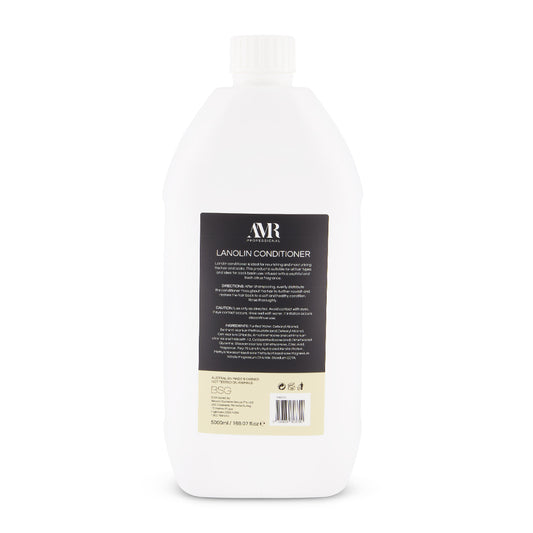
AMR Professional Lanolin Conditioner 5L
Regular price $40.00Sale price $40.00 Regular priceUnit price per$74.90Sale -
BackBar Strawberry Conditioner 5L
Regular price $40.00Sale price $40.00 Regular priceUnit price per$74.90Sale -
Natural Look X Ten Hair Extension Care Silky Lite Conditioner 300ml
Regular price $17.06Sale price $17.06 Regular priceUnit price per$18.95Sale -
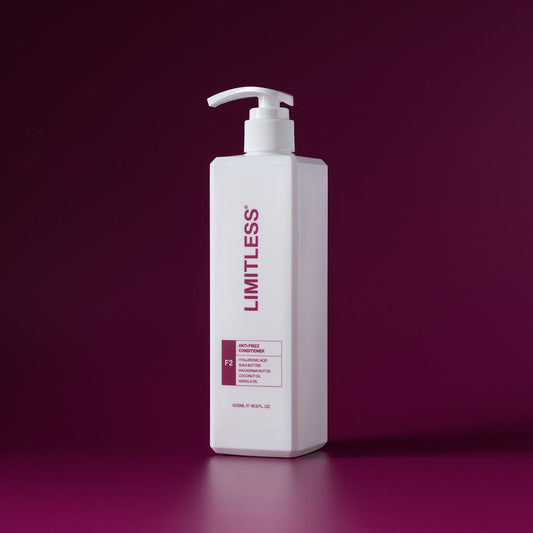
Limitless F2 Anti-Frizz Conditioner 500ml
Regular price $14.97Sale price $14.97 Regular priceUnit price per$24.95Sale -
Limitless F2 Anti-Frizz Conditioner 1L
Regular price $23.97Sale price $23.97 Regular priceUnit price per$39.95Sale -
Brasil Cacau Anti Frizz Conditioner 1L
Regular price $54.95Sale price $54.95 Regular priceUnit price per$78.50Sale -
Brasil Cacau Anti Frizz Conditioner 300ml
Regular price $28.50Sale price $28.50 Regular priceUnit price per$34.50Sale -
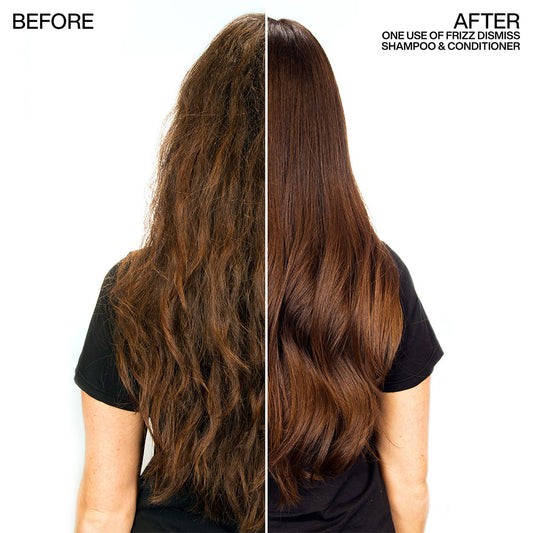
Redken Frizz Dismiss Conditioner Smoothing 300ml
Regular price $39.95Sale price $39.95 Regular priceUnit price per$51.94Sale -
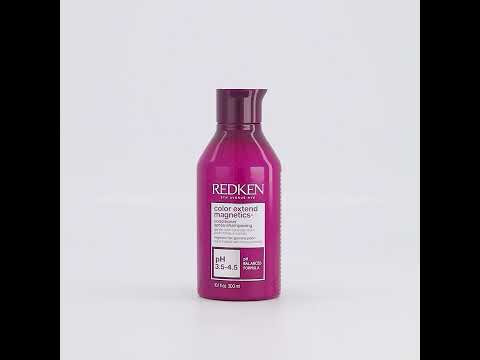
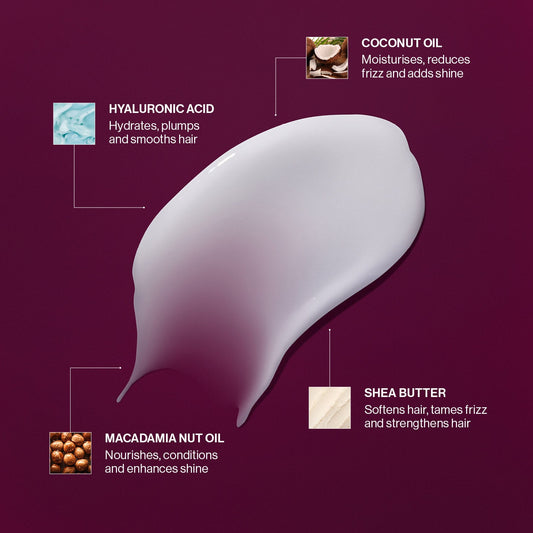
Redken Color Extend Magnetics Conditioner 300ml
Regular price $39.95Sale price $39.95 Regular priceUnit price per$51.94Sale -
Luxliss Keratin Daily Care Conditioner 500ml
Regular price $17.99Sale price $17.99 Regular priceUnit price per$89.95Sale -
Luxliss Keratin Daily Care Conditioner 200ml
Regular price $9.99Sale price $9.99 Regular priceUnit price per$49.95Sale -
Limitless F2 Anti-Frizz Conditioner 100ml
Regular price $5.97Sale price $5.97 Regular priceUnit price per$14.95Sale -
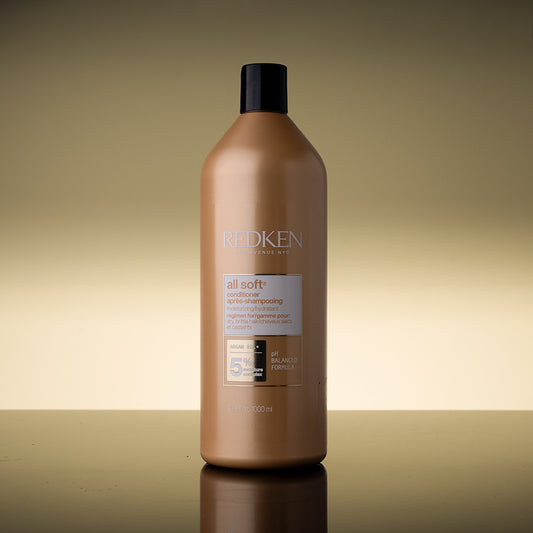
Redken All Soft Conditioner 1L
Regular price $59.95Sale price $59.95 Regular priceUnit price per$109.82Sale -
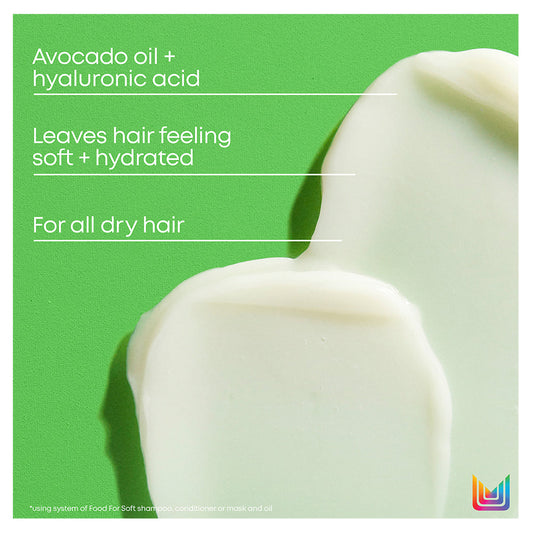
Matrix Total Results Food For Soft Conditioner 1L
Regular price $59.95Sale price $59.95 Regular priceUnit price per$89.95Sale -
Limitless Curly Confidence Bundle
Regular price $171.95Sale price $171.95 Regular priceUnit price per$194.65Sale -
Redken Frizz Dismiss Sodium Chloride-Free Conditioner 500ml
Regular price $54.95Sale price $54.95 Regular priceUnit price per$71.44Sale -
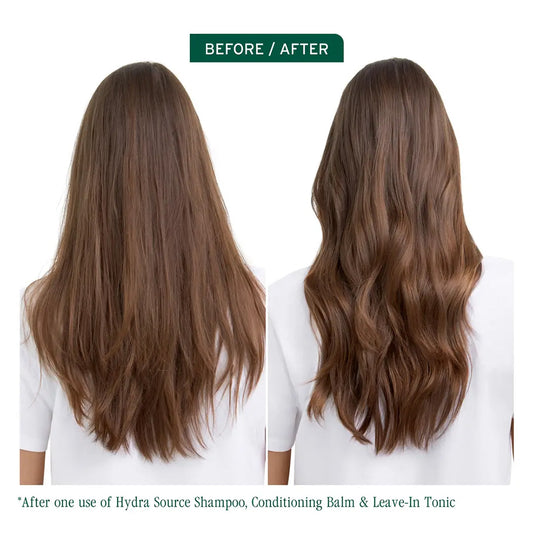
Biolage Hydrasource 400ml Duo Pack
Regular price $68.00Sale price $68.00 Regular priceUnit price per$88.40Sale -
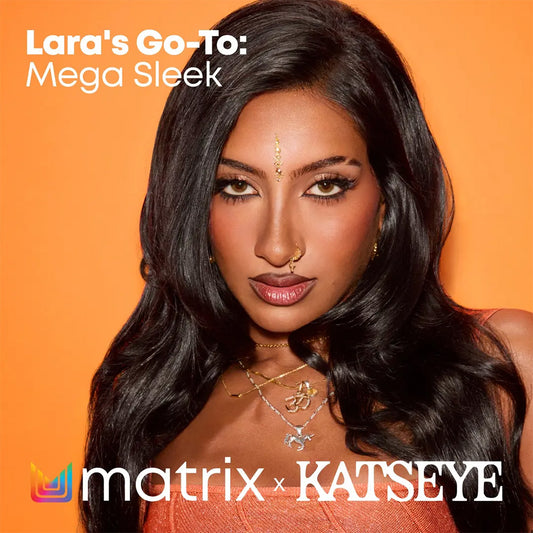
Matrix Mega Sleek 300ml Duo Pack
Regular price $45.00Sale price $45.00 Regular priceUnit price per$71.50Sale -
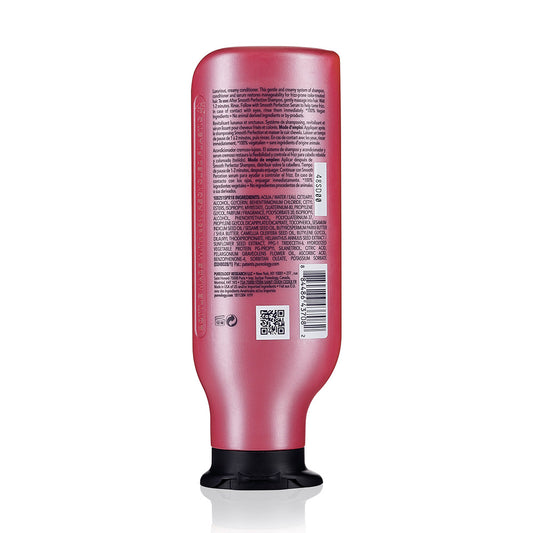
Pureology Smooth Perfection Conditioner 266ml
Regular price $55.35Sale price $55.35 Regular priceUnit price per$71.96Sale -
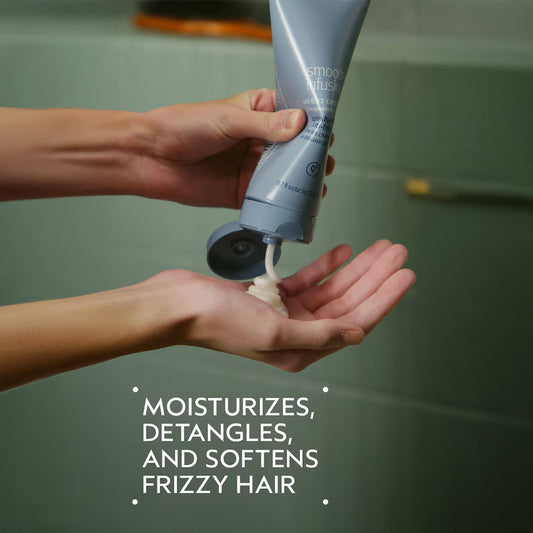
Aveda Smooth Infusion Anti Frizz Conditioner 200ml
Regular price $59.00Sale price $59.00 Regular priceUnit price per$70.80Sale -
Natural Look Static Free Anti Frizz Conditioner 1L
Regular price $33.26Sale price $33.26 Regular priceUnit price per$36.95Sale -
Natural Look Static Free Anti Frizz Conditioner 300ml
Regular price $17.06Sale price $17.06 Regular priceUnit price per$18.95Sale -
Limitless Anti-Frizz Duo Pack 500ml
Regular price $27.00Sale price $27.00 Regular priceUnit price per$45.00Sale -
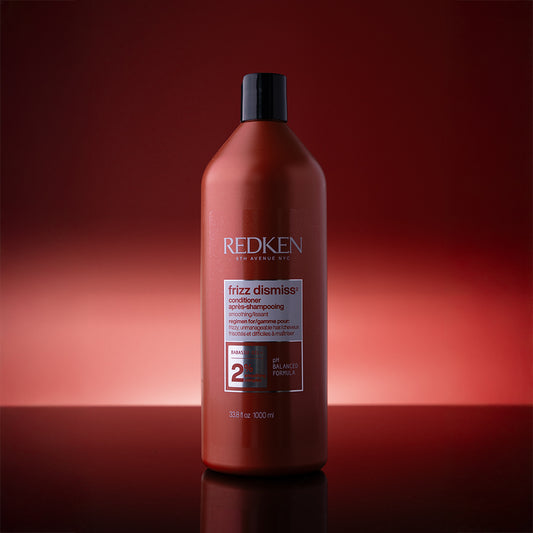
Redken Frizz Dismiss Conditioner 1L
Regular price $69.95Sale price $69.95 Regular priceUnit price per$90.94Sale -
Redken Frizz Dismiss Duo Pack 1L
Regular price $119.00Sale price $119.00 Regular priceUnit price per$220.50Sale -
Limitless Smooth & Sleek Bundle
Regular price $145.95Sale price $145.95 Regular priceUnit price per$166.70Sale -
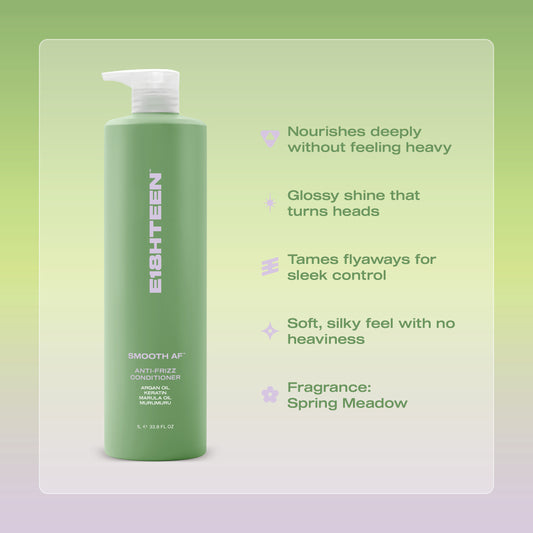
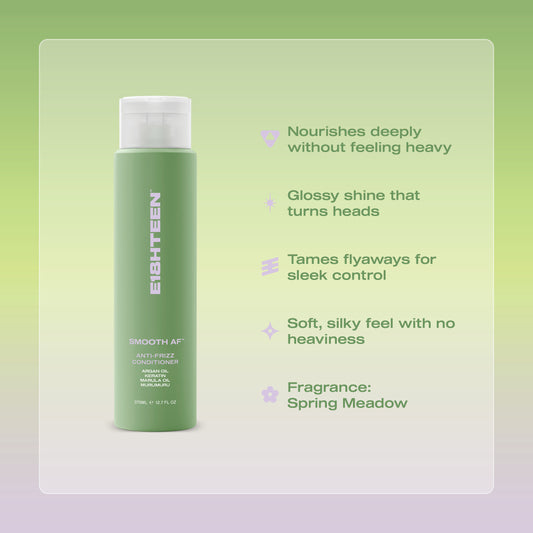
E18HTEEN Smooth AF Anti-Frizz Conditioner 1L
Regular price $9.98Sale price $9.98 Regular priceUnit price per$39.95Sale -
E18HTEEN Smooth AF Anti-Frizz Conditioner 375ml
Regular price $7.48Sale price $7.48 Regular priceUnit price per$29.90Sale -
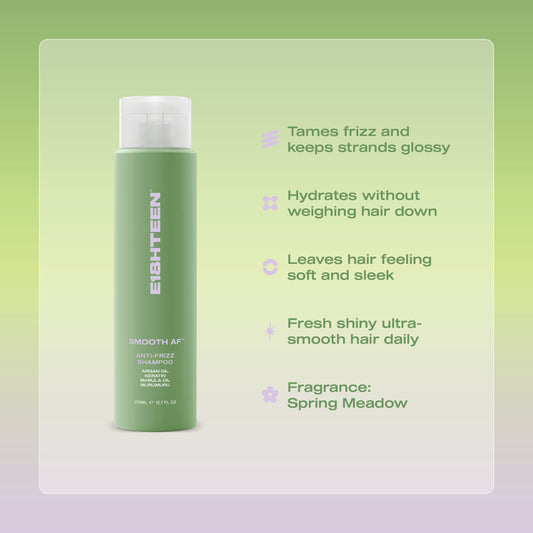
E18HTEEN Smooth AF Anti-Frizz Essentials
Regular price $53.95Sale price $53.95 Regular priceUnit price per$119.60Sale -
E18HTEEN Smooth AF Anti-Frizz Duo 1L
Regular price $17.98Sale price $17.98 Regular priceUnit price per$79.90Sale -
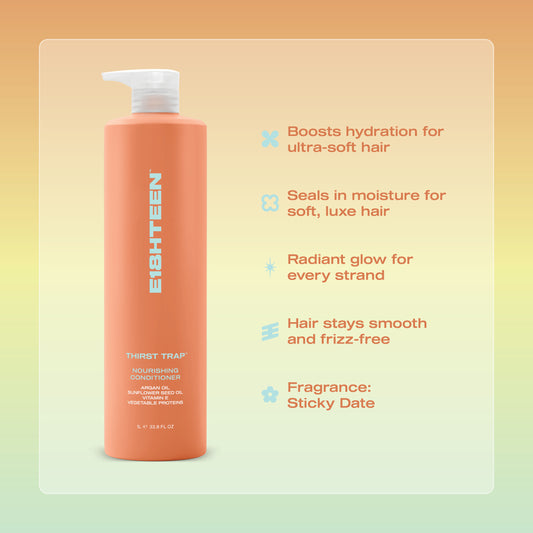
E18HTEEN Thirst Trap Nourishing Duo 1L
Regular price $17.98Sale price $17.98 Regular priceUnit price per$79.90Sale -
Skala #MAIS LISOS Straighter Hair Conditioner 600ml
Regular price $19.95Sale price $19.95 Regular priceUnit price per$24.95Sale





























Your Questions Answered
The conditioner's job is to seal the cuticle and resist humidity. It's your after-every-wash maintenance step. A repairing mask works on the cuticle structure itself and is used weekly as a treatment. They complement each other well. The mask addresses underlying damage, and the conditioner keeps the results locked in between mask sessions.
On humid days, or if you blow-dry or use hot tools, yes. Anti-frizz conditioner seals the cuticle in the shower, but a leave-in conditioner or smoothing serum adds a second layer of humidity resistance that stays active through the drying process. On low-humidity days with an air-dry style, the conditioner alone often gets the job done.
Yes, provided it's sulphate-free. A keratin conditioner is worth using for the first stretch after the treatment to protect the service, but once it has fully settled, a sulphate-free anti-frizz conditioner is a good fit for ongoing humidity control without compromising the smoothing work.
On human-hair extensions and wigs, absolutely. Apply mid-lengths to ends and keep them well away from bonds or wefts. It smooths the hair in the same way it does on natural hair. Skip it on synthetic hair, which doesn't absorb conditioner and can end up coated and limp.


