Nourishing Conditioner
Day-to-day stress from heat, colour, neglect, or the environment leaves hair dry, rough, and short on shine. A nourishing conditioner is built for exactly this. It's a richer, more moisturising formula than your everyday conditioner, packed with natural oils, shea butter, and plant extracts that replenish lost moisture and smooth the hair shaft.
While regular conditioners soften and detangle, nourishing conditioners go further. They feed the hair with the lipids and nutrients it needs to feel soft, look good, and behave better. With regular use, it restores flexibility, cuts down frizz, and leaves hair smoother and more manageable. It suits hair that's dry, coarse, or worn down by daily styling, and works well for anyone whose hair could use a bit more care.
Reading the Label
Three things on the label tell you whether a conditioner will help your hair or just feel nice for an hour: the oil base, the humectant blend, and the alcohol content.
-
The weight of the oils matters. If your hair is low-porosity, it repels water, so you need lightweight oils like argan or jojoba that won't sit on top. High-porosity hair soaks up moisture fast but loses it just as quickly, so it needs heavier oils like coconut, shea, or marula to help lock it in. Picking the wrong oil weight means the conditioner either sits on your hair without absorbing, or passes straight through without doing much.
-
Humectants are the ingredients that draw moisture from the air into your hair. Glycerin, aloe, and honey are common ones, and they help the conditioning effect last longer after you've rinsed. A formula without humectants adds moisture only while it's in your hair, not after.
-
Alcohols are worth checking too. Drying alcohols like SD alcohol and denatured alcohol strip moisture and have no place in a nourishing conditioner. But fatty alcohols (like cetearyl and cetyl alcohol) are a different thing. They add slip and softness and are fine to see on the ingredient list.
Nourishing vs Moisturising Conditioner
People often use these terms as if they mean the same thing, but they don't.
A moisturising conditioner is designed to add water to the hair. It's lightweight and works well for hair that's only slightly dry or in normal condition.
A nourishing conditioner goes further. It layers oils, butters, and emollients on top of the water, making it a richer formula for hair that's genuinely dry, coarse, or damaged.
Here's a simple way to tell which one you need. If your hair feels dry by the end of the day or the next morning, a moisturising conditioner is probably enough. But if your hair feels dry within hours of washing, you're better off with the heavier nourishing option.
Before you switch products, though, it's worth checking what's causing your dryness. Some underlying issues won't be fixed by conditioner alone. Our guide on what causes dry hair and how to fix it covers the full picture.
How To Get The Most Out Of Your Conditioner
Nourishing conditioner is richer than your everyday formula, so application matters more than you might think. Start with a sulphate-free nourishing shampoo. Harsh cleansers will undo the nourishing work before you've even conditioned. Use a 20-cent piece amount for shoulder-length hair, and add more only if needed. Focus the product on the mid-lengths and ends, where hair is oldest and driest, and keep it off the roots unless your scalp is very dry.
Leave it on for 3 to 5 minutes to let the oils and butters absorb properly. A quick rinse won't give them time to work. Limit use to 2 to 3 times a week. Overdoing it can leave buildup that makes hair look dull and flat. For extra-dry days, follow with a lightweight leave-in treatment on damp hair for added moisture without the weight.
How to Match Deep Conditioners to Your Hair Type
Hair state, texture, and damage level all affect which weight and frequency will get results.
-
Dry or thirsty hair responds well to a rich formula loaded with heavier oils like coconut, shea, or marula. Use it consistently with a 3- to 5-minute dwell time. The full hair care products for dry hair range brings together the wash, conditioner, mask, and leave-in products that work as a system.
-
Coarse or thick hair needs the richest formula available. Look for butters like shea and cocoa, along with multiple oil blends, and leave the product on for at least 5 minutes. A shower cap helps with deeper penetration. A smoothing shampoo pairs well here because it lays the cuticle flat before the conditioner seals it.
-
Curly hair needs plenty of slip as much as it needs moisture. Rich creams with aloe and coconut work well for most curl patterns. A curly hair shampoo that cleans without stripping the curl's natural oils is the right wash partner, followed by a leave-in cream for ongoing hydration between washes. The hair care products for curly hair range covers the styling products that sit alongside it.
-
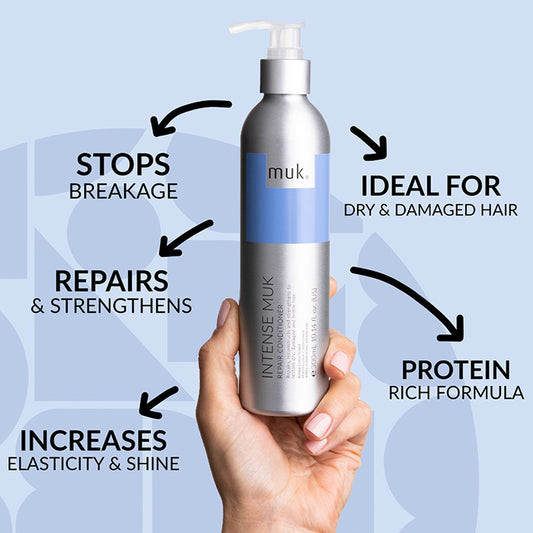
Damaged or over-processed hair needs protein alongside the oils. Protein works to fill gaps in the cuticle structure, while oils seal them. Use it every wash for the first two weeks after chemical services, then pull back to 2 to 3 times a week once the hair stabilises. A repairing shampoo is the right wash partner, so bond-building ingredients are working at both steps. The hair care products for damaged hair range pulls together the wash, condition, and mask system.
-
Colour-treated, dry hair needs a sulphate-free and colour-safe conditioner. Rich oils won't strip tone the way sulphates do. Pair it with a colour shampoo and alternate with a dedicated colour conditioner on the other wash days.
-
Fine hair that's also dry (usually from over-washing or heat damage) needs a lightweight formula without heavy butters. Argan or jojoba is the right oil choice here. Use it at most once a week. A volumising shampoo and conditioner are better fits on the other wash days. The guide on what hair oils you should be using covers which oil weights suit which hair types.
Why AMR Delivers Better Conditioning Results
The difference between a standard nourishing conditioner and a salon-grade one comes down to ingredient quality and how well they absorb. Professional formulas use higher concentrations of natural oils, butters, and plant extracts that penetrate the hair rather than just coating it. Retail versions often rely on heavy fillers and low-grade silicones that provide a temporary smooth feel but do little to improve your hair's condition over time.
Salon-grade nourishing conditioners also have a better pH balance, which helps keep the cuticle smooth and moisture locked in. The result is hair that feels softer, looks and stays in better condition, and holds it longer. Not just for a few hours, but across multiple washes.
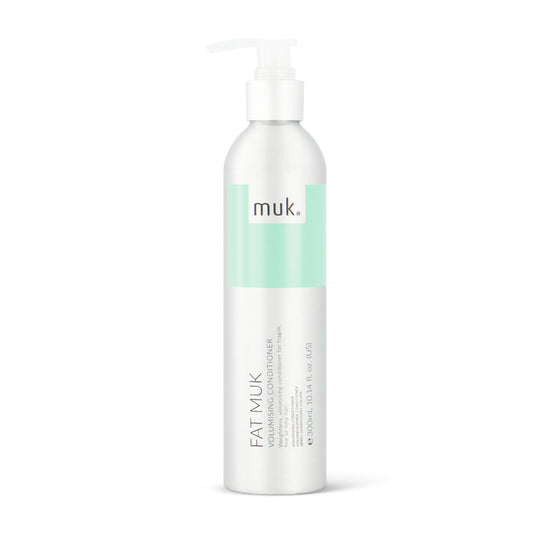
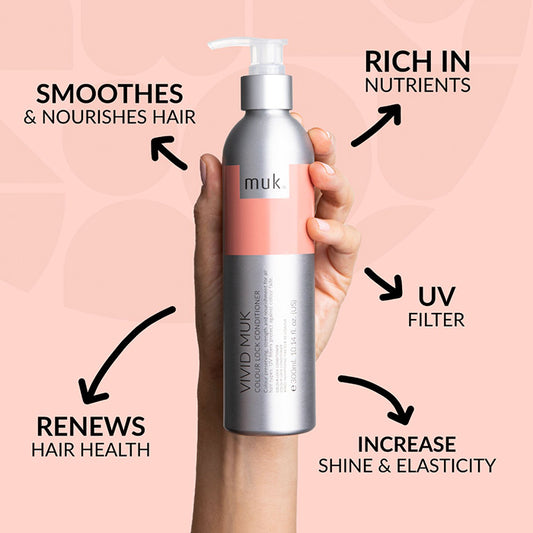
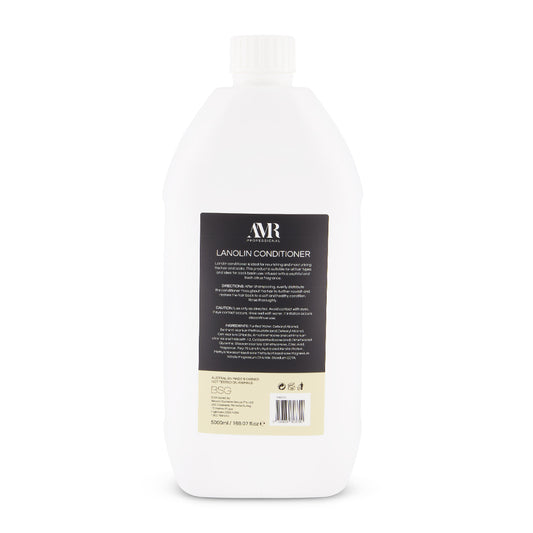
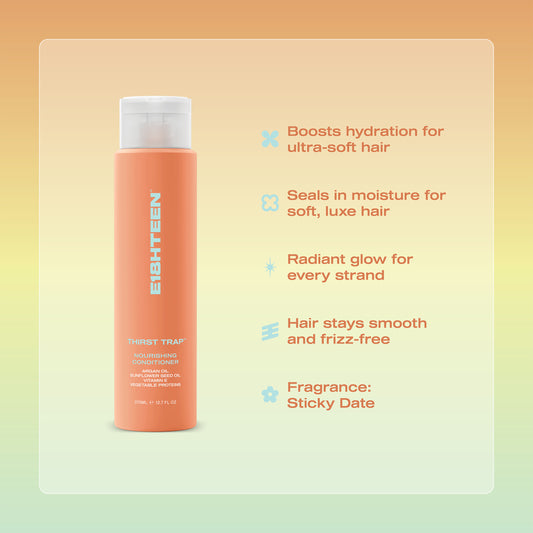
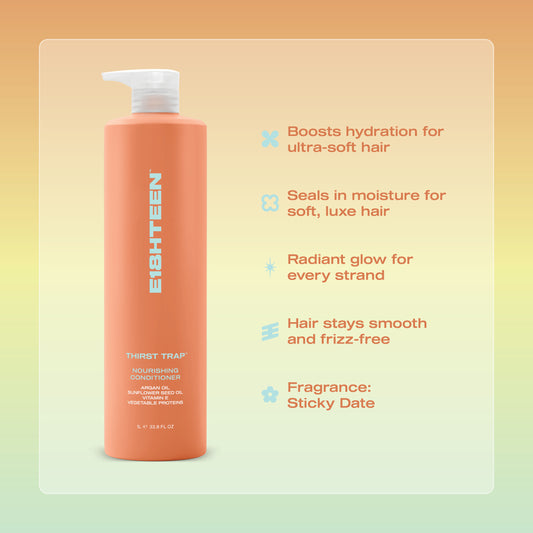
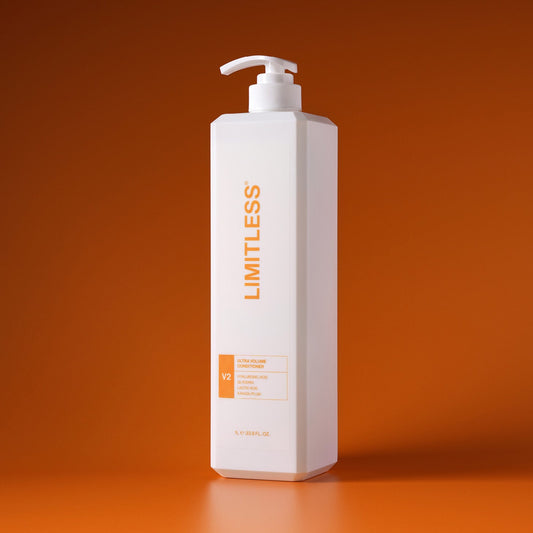
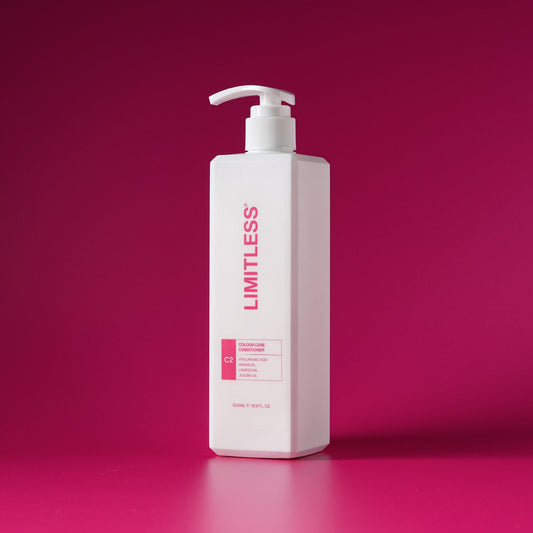
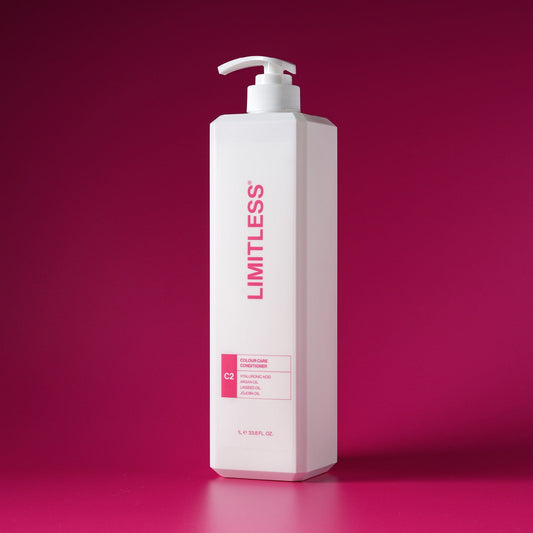
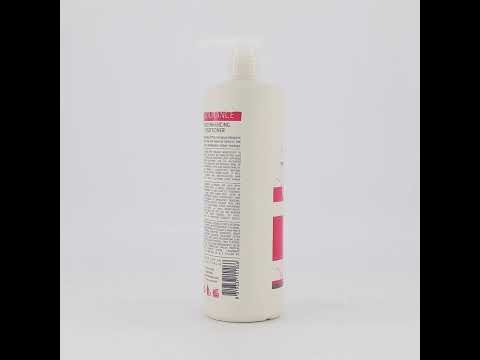
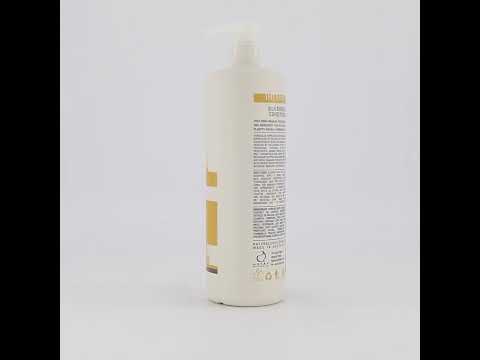
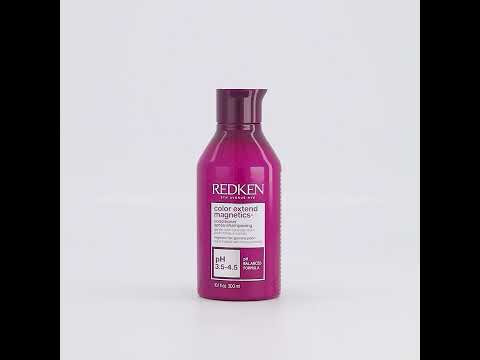
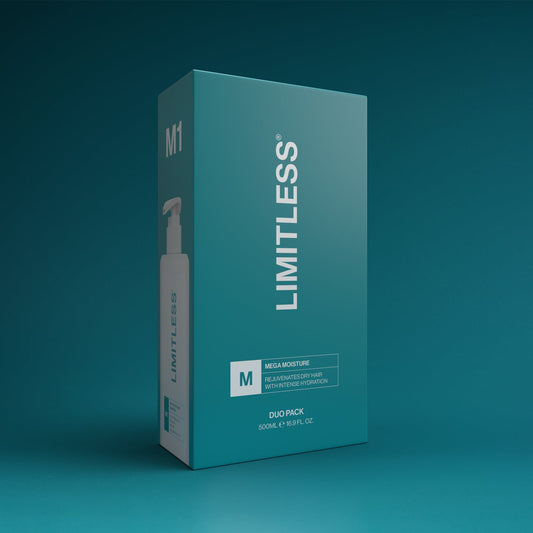
AMR stocks professional nourishing conditioners from brands like 12 Reasons, Paul Mitchell, MUK, milk_shake, Back Bar, E18HTEEN, Natural Look, Limitless, and Brasil Cacau, in retail and back-bar sizes with Australia-wide shipping. For conditioners beyond nourishment, the wider conditioner range covers most hair types and concerns. Salons can also explore bulk conditioner options to keep their back bar stocked without constantly reordering smaller bottles.