Repairing Hair Mask
Do you colour or bleach your hair often? Or are you a hairdresser shopping for your clients? Either way, a repairing mask belongs in your kit.
When hair breaks under the brush, feels like straw, or stretches like elastic when wet, an everyday conditioner isn't enough. You need a repairing mask.
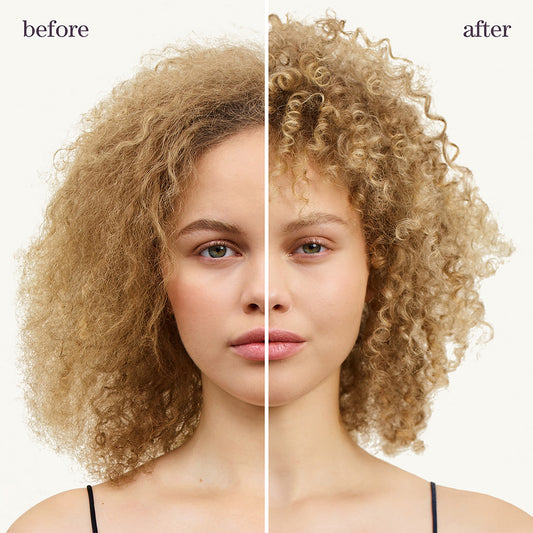
It's packed with protein and bond-strengthening ingredients that find the weak points in each strand and rebuild them from the inside out. The result is hair that holds its shape, snaps less, and feels strong again. It earns its keep on hair worn down by colour, bleach, or heat.
How to Apply Without Overdoing It
Pick a mild, sulphate-free, nourishing shampoo to start. Harsh detergents pull protein right out before it can get to work. Press the water from your hair until it's just damp, not soaked, not dry.
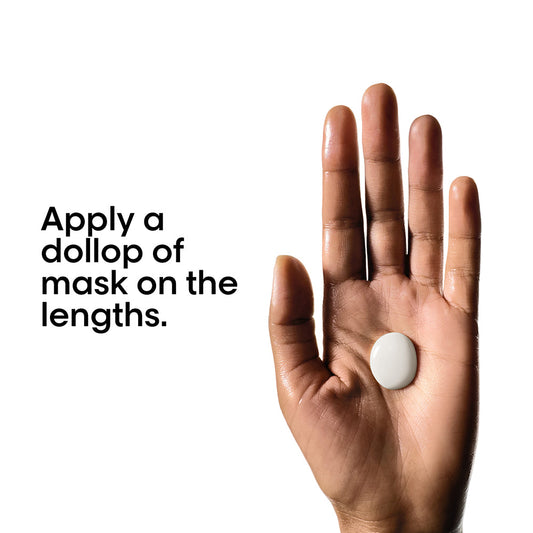
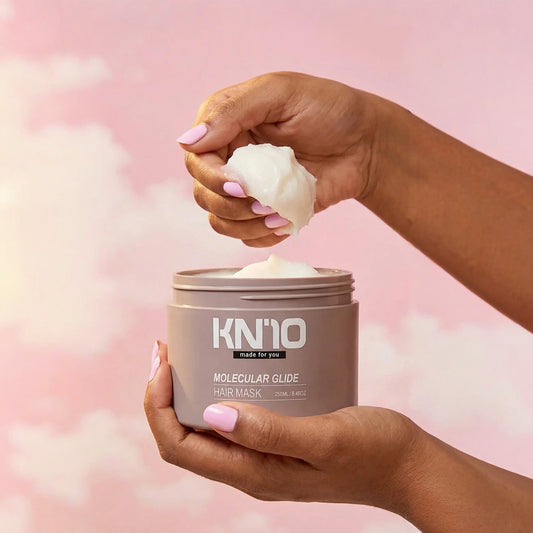
Take a modest dollop and apply it to the lower half of your hair, where the oldest and most fragile strands live. A wide-tooth comb helps spread it evenly. Watch the clock and don't exceed the suggested time.
Flush with tepid water. Hot opens the cuticle too wide. Cold shuts it before the protein has fully settled. Skip a second round of shampoo, and leave the conditioner aside unless your hair is unusually heavy or dense. The mask handles everything these days.
The Protein-Moisture Balance
A repair mask fixes the structure. It doesn't add water. Hair needs both.
Think of your hair as a brick wall. Protein is the mortar that holds the bricks together. Water is the sealant that keeps the mortar from drying out and crumbling. Add protein, but no water, and the mortar is strong but brittle. Add water, but no protein, and the bricks fall out because there's no mortar.
The balance is different for every head of hair. For mild to moderate damage, a good weekly rhythm runs a repair mask on Tuesday, where protein rebuilds the mortar, then a hydrating hair mask on Friday, where water seals it. Avoid using a repair mask and a hydrating mask on the same day, since they compete for space in the cortex. Give them separate days.
If your hair feels stiff or crunchy after a repair mask, that's protein overload. Ease off protein for two weeks and use only hydrating masks and conditioners. When you bring repair masks back, cut the frequency in half.
Why Professional Repairing Masks Work Better
A repairing mask comes down to two things. How small the protein fragments are, and how much active ingredient is inside. Professional formulas use hydrolysed proteins small enough to slip past the cuticle and reach the cortex, where real repair happens. Cheaper ones use larger molecules that sit on the surface and wash off within a few shampoos.
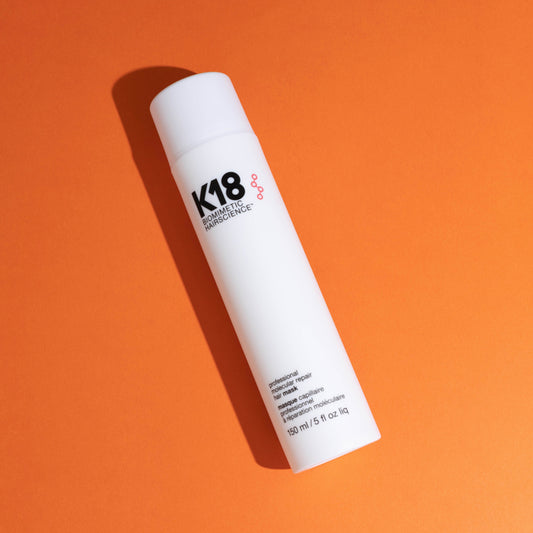
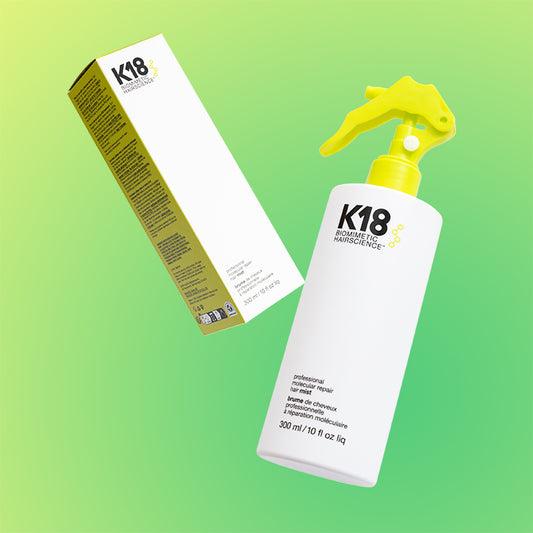
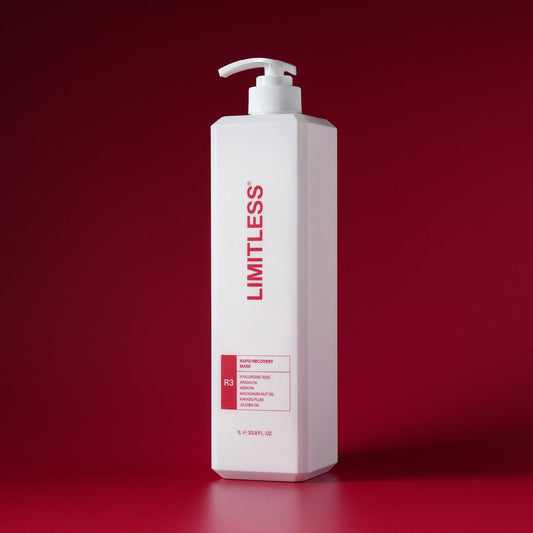
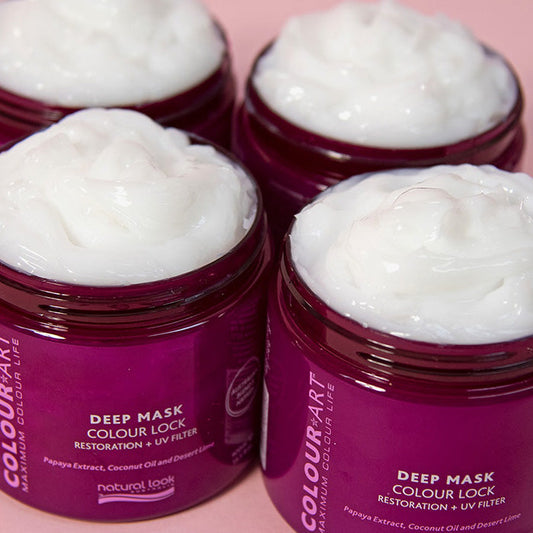
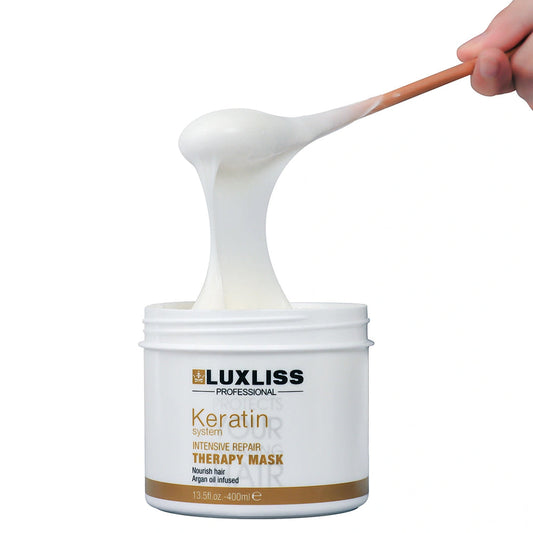
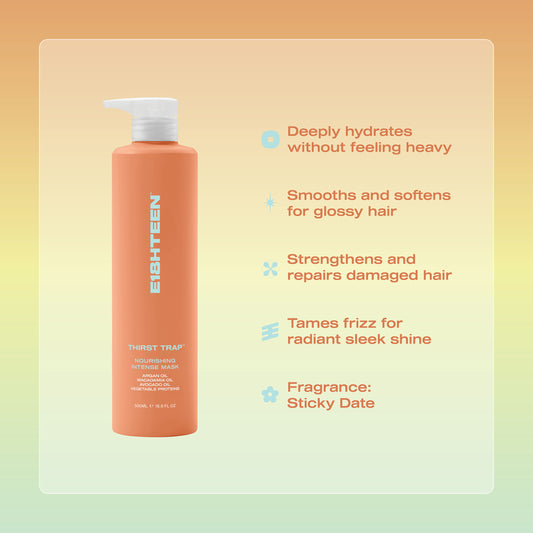
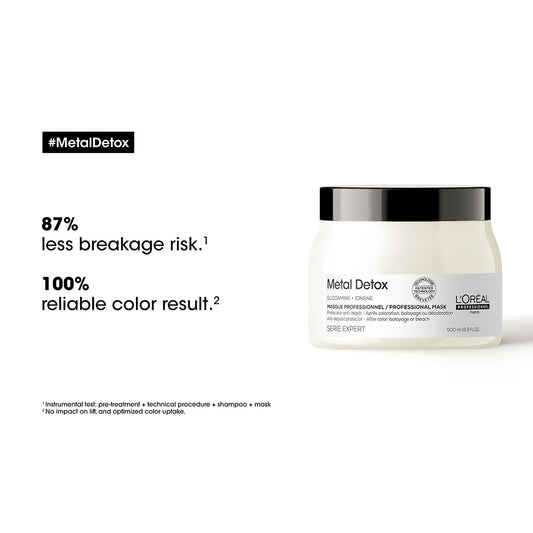
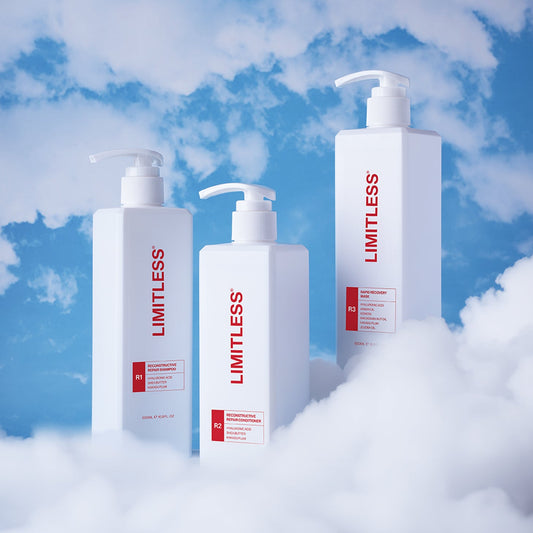
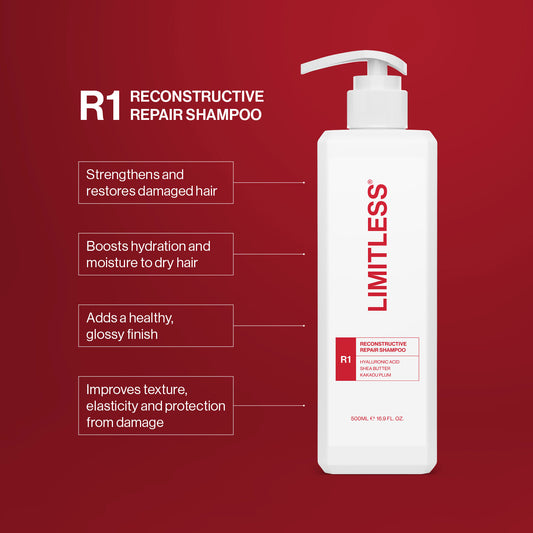
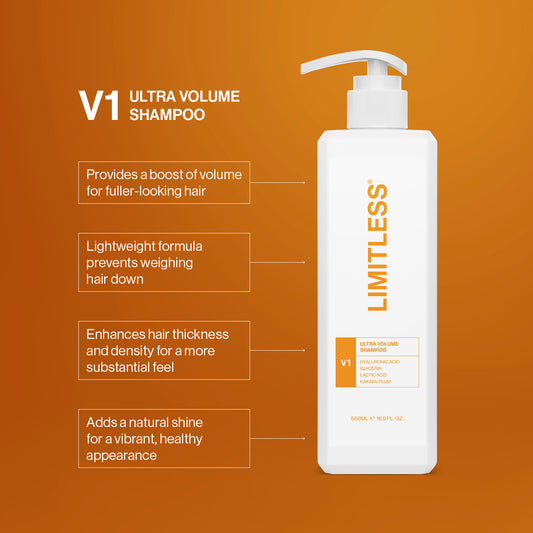
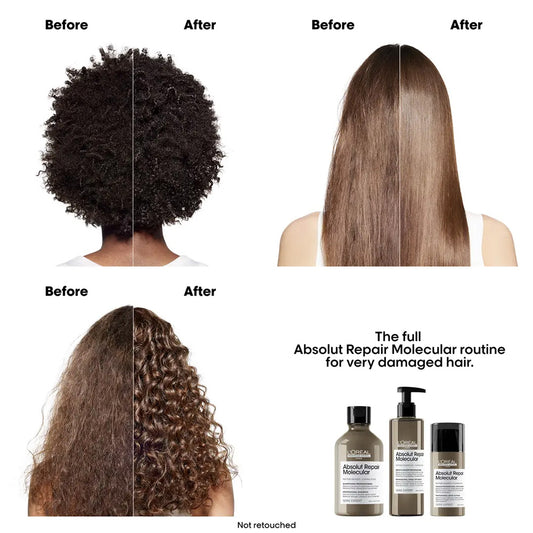
The AMR repairing range runs from mild heat stress to severe bleach compromise, with brands like Olaplex, 12 Reasons, L'Oréal Professionnel, Limitless, Natural Look, Redken, and E18HTEEN. In our full hair mask range, you'll find even more options, from repairing to hydrating, conditioning, blonde, and keratin, all shipped Australia-wide.