


-
12 Reasons Argan Oil Shampoo 400ml
Regular price $23.95Sale price $23.95 Regular priceUnit price per$29.95Sale -
12 Reasons Marula Oil Shampoo 400ml
Regular price $23.95Sale price $23.95 Regular priceUnit price per$29.95Sale -
12 Reasons Keratin Shampoo 400ml
Regular price $23.95Sale price $23.95 Regular priceUnit price per$29.95Sale -
12 Reasons Marula Oil Shampoo 1L
Regular price $42.95Sale price $42.95 Regular priceUnit price per$59.95Sale -
12 Reasons Argan Oil Shampoo 1L
Regular price $42.95Sale price $42.95 Regular priceUnit price per$59.95Sale -
12 Reasons Keratin Shampoo 1L
Regular price $42.95Sale price $42.95 Regular priceUnit price per$59.95Sale -
Olaplex No.4P Blonde Enhancer Toning Shampoo 250ml
Regular price $44.95Sale price $44.95 Regular priceUnit price per$60.00Sale -
BackBar Hydrate Shampoo 5L
Regular price $40.00Sale price $40.00 Regular priceUnit price per$69.90Sale -
BackBar Lanolin Shampoo 5L
Regular price $40.00Sale price $40.00 Regular priceUnit price per$69.90Sale -
BackBar Strawberry Shampoo 5L
Regular price $40.00Sale price $40.00 Regular priceUnit price per$69.90Sale -
BackBar Ultra Blonde Shampoo 5L
Regular price $40.00Sale price $40.00 Regular priceUnit price per$69.90Sale -
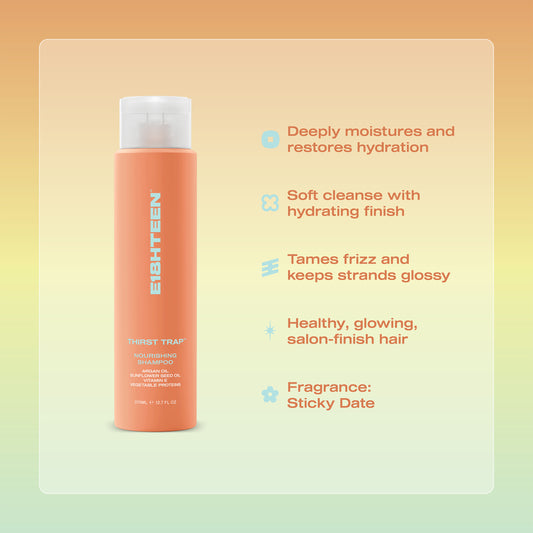
E18HTEEN Thirst Trap Shampoo 375ml
Regular price $14.95Sale price $14.95 Regular priceUnit price per$29.90Sale -
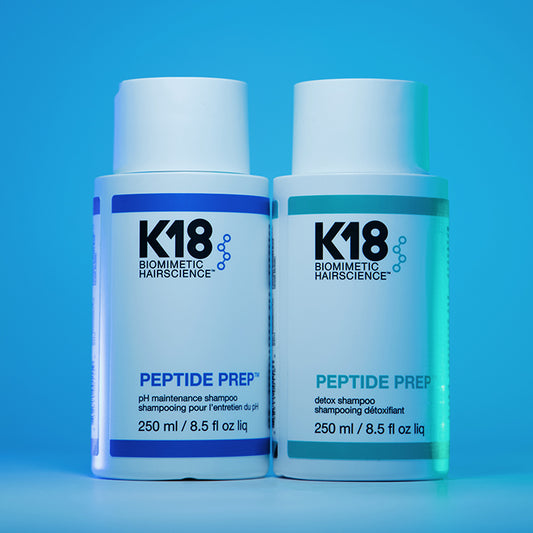
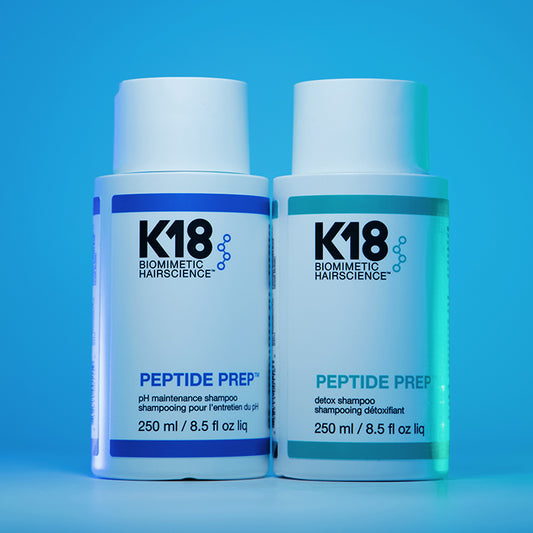
K18 Peptide Prep Detox Shampoo 250ml
Regular price $59.95Sale price $59.95 Regular priceUnit price per$59.95 -
K18 Peptide Prep ph Maintenance Shampoo 250ml
Regular price $43.02Sale price $43.02 Regular priceUnit price per$61.45Sale -
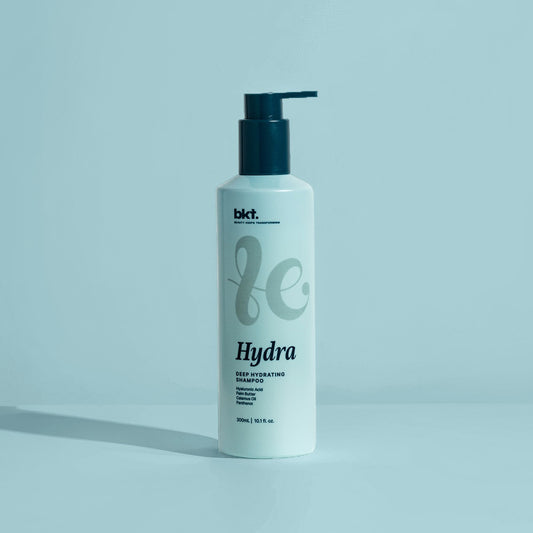
BKT Hydra Deep Hydration Shampoo 300ml
Regular price $62.00Sale price $62.00 Regular priceUnit price per$79.95Sale -
BackBar Colour Care Shampoo 5L
Regular price $40.00Sale price $40.00 Regular priceUnit price per$69.90Sale -
Macadamia Oil Rejuvenating Shampoo 100ml
Regular price $3.50Sale price $3.50 Regular priceUnit price per$7.95Sale -
Natural Look Oasis Moisturising Shampoo 5L
Regular price $53.96Sale price $53.96 Regular priceUnit price per$59.95Sale -
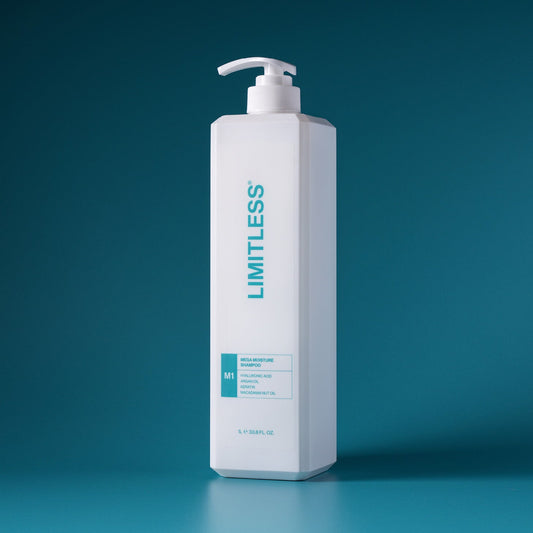
Limitless M1 Mega Moisture Shampoo 500ml
Regular price $24.95Sale price $24.95 Regular priceUnit price per$24.95 -
Limitless M1 Mega Moisture Shampoo 1L
Regular price $39.95Sale price $39.95 Regular priceUnit price per$39.95 -
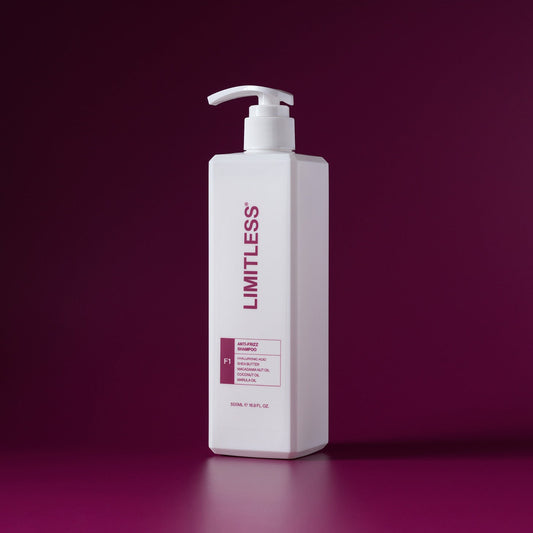
Limitless F1 Anti-Frizz Shampoo 500ml
Regular price $24.95Sale price $24.95 Regular priceUnit price per$24.95 -
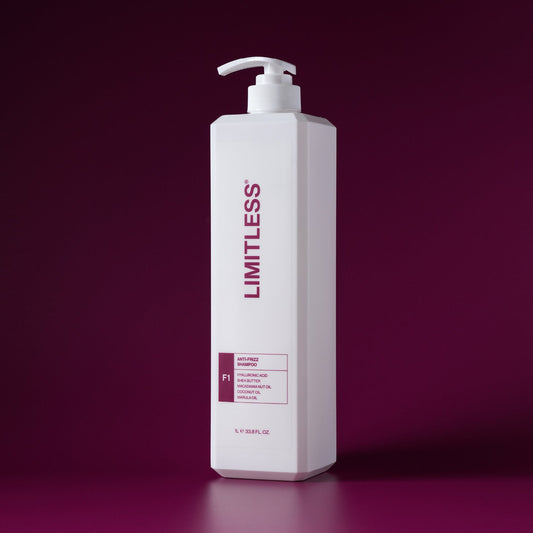
Limitless F1 Anti-Frizz Shampoo 1L
Regular price $39.95Sale price $39.95 Regular priceUnit price per$39.95 -
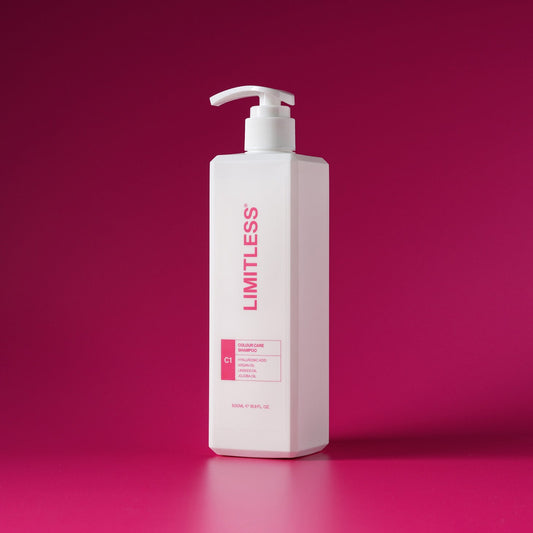
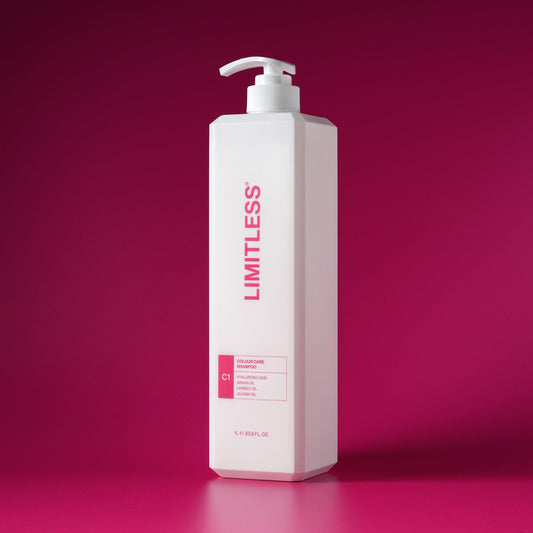
Limitless C1 Colour Care Shampoo 500ml
Regular price $24.95Sale price $24.95 Regular priceUnit price per$24.95 -
Limitless C1 Colour Care Shampoo 1L
Regular price $39.95Sale price $39.95 Regular priceUnit price per$39.95 -
Brasil Cacau Anti Frizz Shampoo 1L
Regular price $54.95Sale price $54.95 Regular priceUnit price per$78.50Sale -
Natural Look Oasis Moisturising Shampoo 1L
Regular price $26.96Sale price $26.96 Regular priceUnit price per$29.95Sale -
E18HTEEN Thirst Trap Nourishing Shampoo 1L
Regular price $19.95Sale price $19.95 Regular priceUnit price per$39.95Sale -
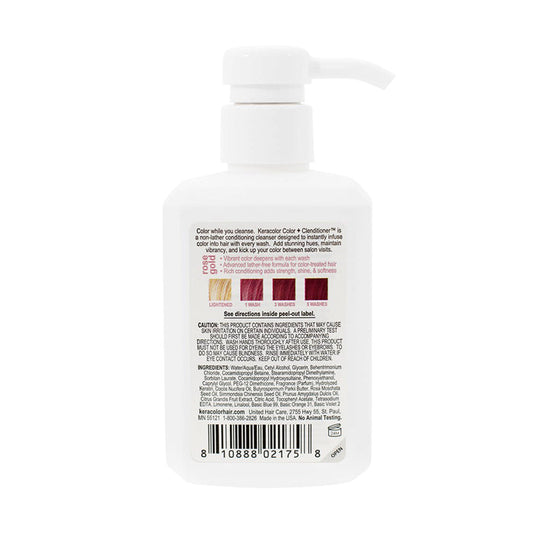
(DISCONTINUED) Keracolor Color Clenditioner Colour Shampoo Rose Gold 355ml
Regular price $26.50Sale price $26.50 Regular priceUnit price per$36.25Sale -
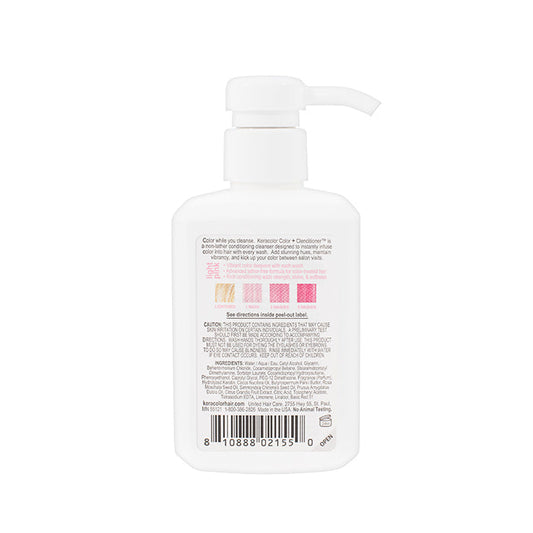
(DISCONTINUED) Keracolor Color Clenditioner Colour Shampoo Light Pink 355ml
Regular price $26.50Sale price $26.50 Regular priceUnit price per$36.25Sale -
12 Reasons Marula Oil Shampoo 60ml
Regular price $6.79Sale price $6.79 Regular priceUnit price per$7.99Sale -
Limitless Anti-Frizz Duo Pack 500ml
Regular price $45.00Sale price $45.00 Regular priceUnit price per$45.00 -
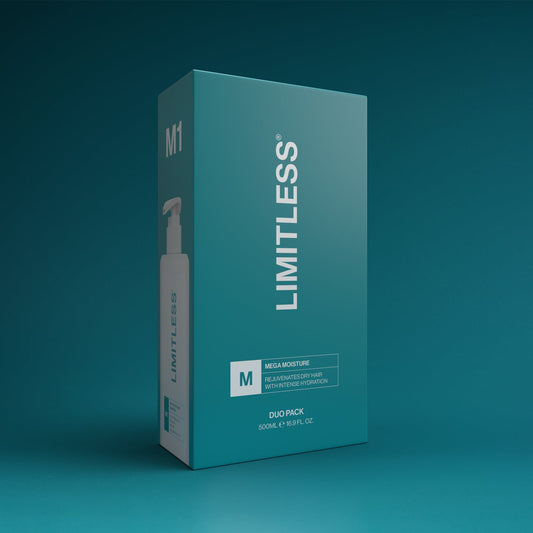
Limitless Mega Moisture Duo Pack 500ml
Regular price $45.00Sale price $45.00 Regular priceUnit price per$45.00 -
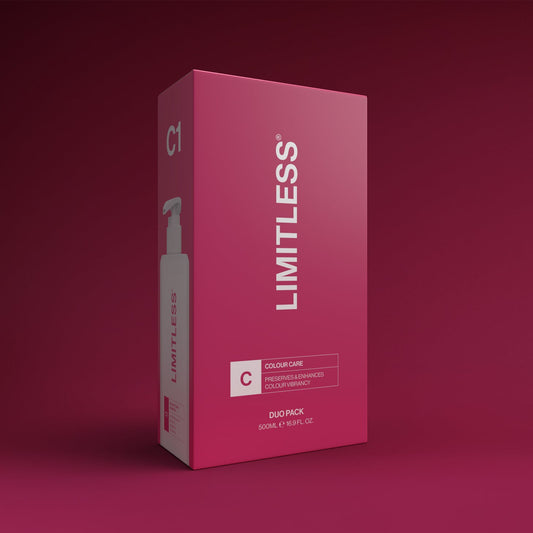
Limitless Colour Care Duo Pack 500ml
Regular price $45.00Sale price $45.00 Regular priceUnit price per$45.00 -
Luxliss Keratin Daily Care Shampoo 500ml
Regular price $35.98Sale price $35.98 Regular priceUnit price per$89.95Sale -
Luxliss Keratin Daily Care Shampoo 250ml
Regular price $19.98Sale price $19.98 Regular priceUnit price per$49.95Sale -
Limitless M1 Mega Moisture Shampoo 100ml
Regular price $9.95Sale price $9.95 Regular priceUnit price per$14.95Sale -
Limitless C1 Colour Care Shampoo 100ml
Regular price $9.95Sale price $9.95 Regular priceUnit price per$14.95Sale -
Limitless F1 Anti-Frizz Shampoo 100ml
Regular price $9.95Sale price $9.95 Regular priceUnit price per$14.95Sale -
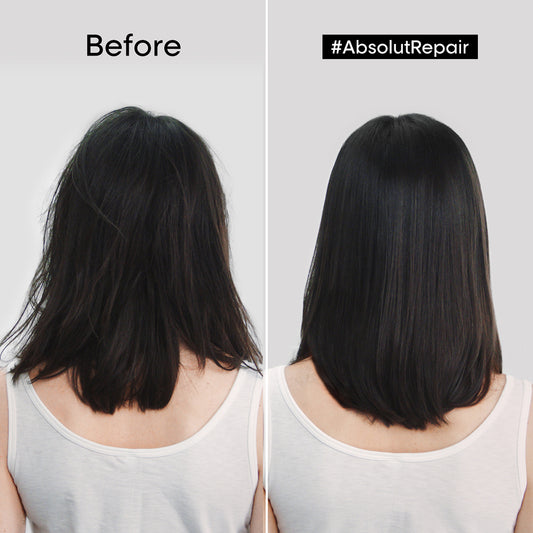
L'Oréal Professionnel Absolut Repair Shampoo 1500mL
Regular price $69.95Sale price $69.95 Regular priceUnit price per$137.28Sale -
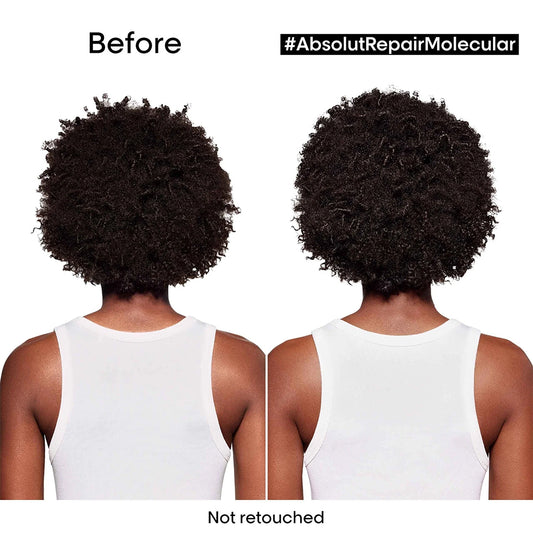
L'Oréal Professionnel Absolut Repair Molecular Shampoo 1500mL
Regular price $134.95Sale price $134.95 Regular priceUnit price per$253.44Sale























Your Questions Answered
You can, but it won't hold as well. The conditioner is what seals the cuticle back down after the wash, and without it, the smooth feel tends to fade by the next morning.
A smoothing shampoo is a wash-day product that softens and polishes the hair at each use, with the effect lasting until the next wash. A smoothing treatment, such as a keratin treatment, is a salon service that works on the hair structure for months at a time. Think of the shampoo as regular upkeep and the treatment as the larger reset.
After, not before. A sulphate-free smoothing or keratin shampoo can help a salon treatment last longer by not stripping it between appointments. Right before the treatment itself, skip it. Most stylists want clean, product-free hair going in so the treatment takes evenly across the whole head.


