


-
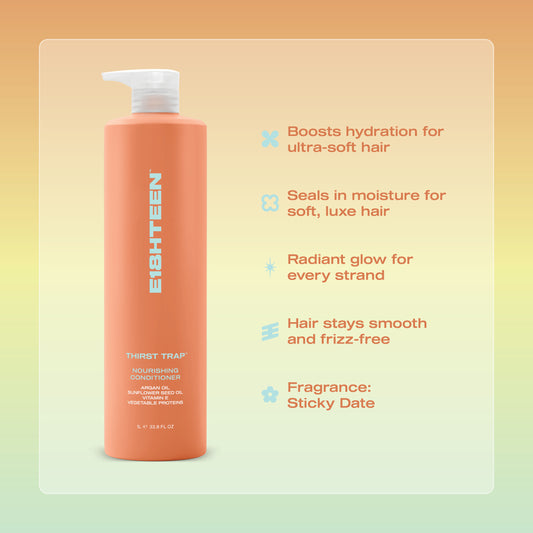
E18HTEEN Thirst Trap Nourishing Conditioner 1L
Regular price $19.95Sale price $19.95 Regular priceUnit price per$39.95Sale -
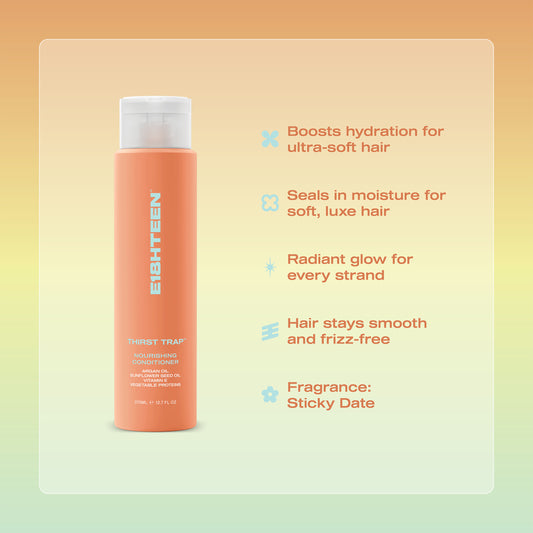
E18HTEEN Thirst Trap Conditioner 375ml
Regular price $14.95Sale price $14.95 Regular priceUnit price per$29.90Sale -
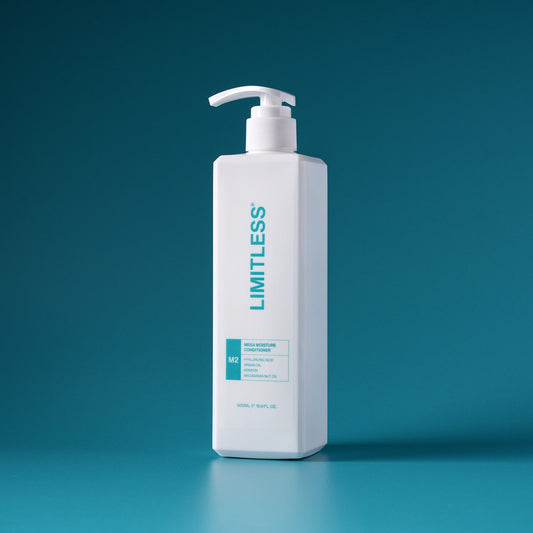
Limitless M2 Mega Moisture Conditioner 500ml
Regular price $24.95Sale price $24.95 Regular priceUnit price per$24.95 -
Limitless M2 Mega Moisture Conditioner 1L
Regular price $39.95Sale price $39.95 Regular priceUnit price per$39.95 -
Natural Look Oasis Moisturising Conditioner 1L
Regular price $26.96Sale price $26.96 Regular priceUnit price per$29.95Sale -
Natural Look Intensive Silk Enriched Conditioner 1L
Regular price $27.86Sale price $27.86 Regular priceUnit price per$30.95Sale -
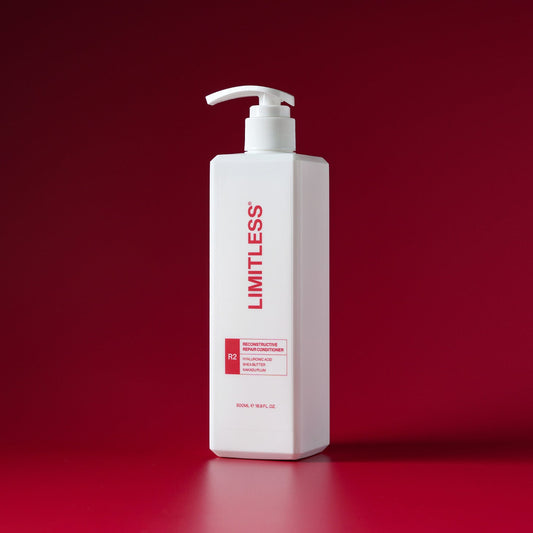
Limitless R2 Reconstructive Repair Conditioner 500ml
Regular price $24.95Sale price $24.95 Regular priceUnit price per$24.95 -
BackBar Strawberry Conditioner 5L
Regular price $40.00Sale price $40.00 Regular priceUnit price per$74.90Sale -
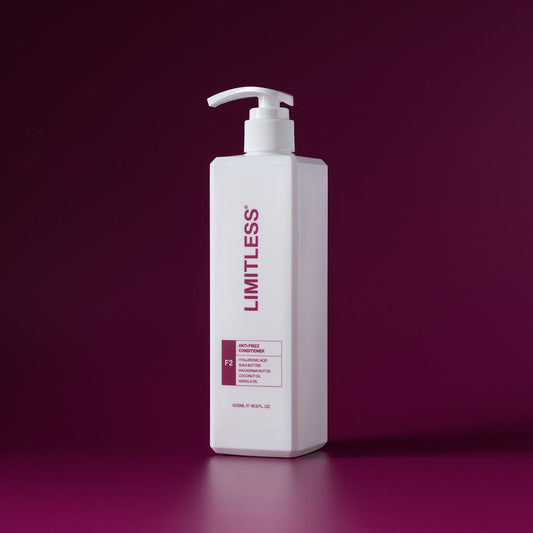
Limitless F2 Anti-Frizz Conditioner 500ml
Regular price $24.95Sale price $24.95 Regular priceUnit price per$24.95 -
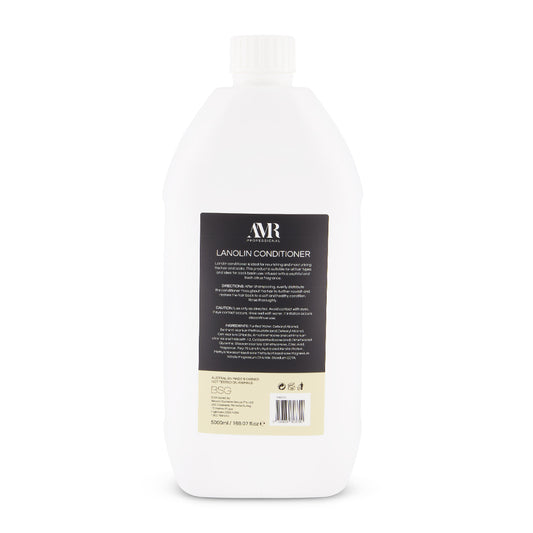
AMR Professional Lanolin Conditioner 5L
Regular price $40.00Sale price $40.00 Regular priceUnit price per$74.90Sale -
Limitless F2 Anti-Frizz Conditioner 1L
Regular price $39.95Sale price $39.95 Regular priceUnit price per$39.95 -
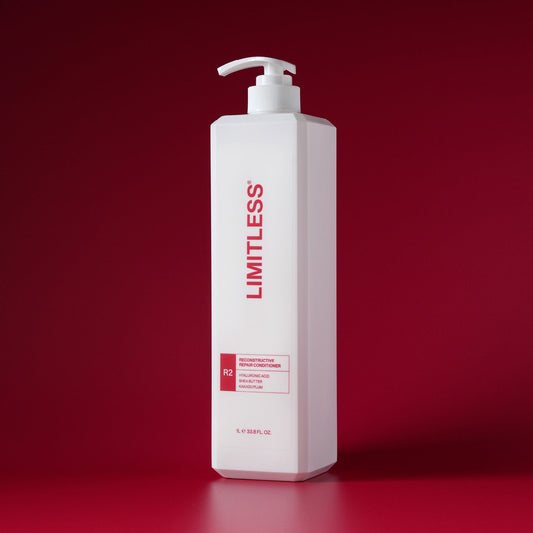
Limitless R2 Reconstructive Repair Conditioner 1L
Regular price $39.95Sale price $39.95 Regular priceUnit price per$39.95 -
Limitless M2 Mega Moisture Conditioner 100ml
Regular price $9.95Sale price $9.95 Regular priceUnit price per$14.95Sale -
Natural Look Intensive Silk Enriched Conditioner 5L
Regular price $53.10Sale price $53.10 Regular priceUnit price per$59.00Sale -
Limitless R2 Reconstructive Repair Conditioner 100ml
Regular price $9.95Sale price $9.95 Regular priceUnit price per$14.95Sale -
Natural Look Daily Ritual Herbal Conditioner 1L
Regular price $26.96Sale price $26.96 Regular priceUnit price per$29.95Sale -
12 Reasons Argan Oil Conditioner 400ml
Regular price $23.95Sale price $23.95 Regular priceUnit price per$29.95Sale -
Luxliss Keratin Daily Care Conditioner 500ml
Regular price $35.98Sale price $35.98 Regular priceUnit price per$89.95Sale -
12 Reasons Keratin Conditioner 1L
Regular price $42.95Sale price $42.95 Regular priceUnit price per$59.95Sale -
12 Reasons Keratin Conditioner 400ml
Regular price $23.95Sale price $23.95 Regular priceUnit price per$29.95Sale -
12 Reasons Argan Oil Conditioner 1L
Regular price $43.69Sale price $43.69 Regular priceUnit price per$59.95Sale -
Luxliss Keratin Daily Care Conditioner 200ml
Regular price $19.98Sale price $19.98 Regular priceUnit price per$49.95Sale -
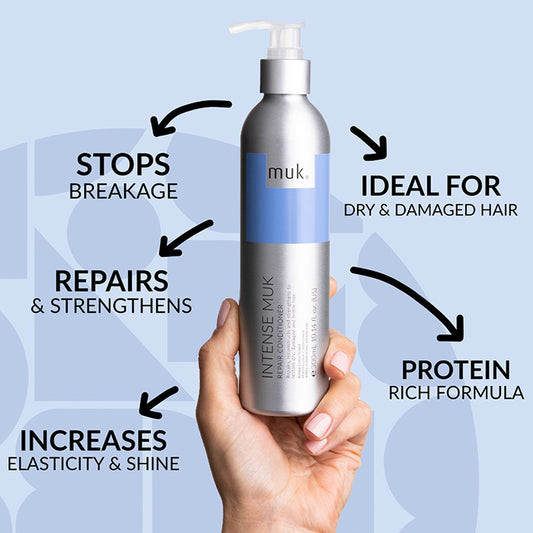
Muk Intense Muk Repair Conditioner 300ml
Regular price $12.00Sale price $12.00 Regular priceUnit price per$29.95Sale -
Natural Look Oasis Moisturising Conditioner 5L
Regular price $53.96Sale price $53.96 Regular priceUnit price per$59.95Sale -
Natural Look Oasis Moisturising Conditioner 300ml
Regular price $16.16Sale price $16.16 Regular priceUnit price per$17.95Sale -
Natural Look Intensive Silk Enriched Conditioner 300ml
Regular price $17.06Sale price $17.06 Regular priceUnit price per$18.95Sale -
Redken Extreme Conditioner Strength 300ml
Regular price $34.95Sale price $34.95 Regular priceUnit price per$45.44Sale -
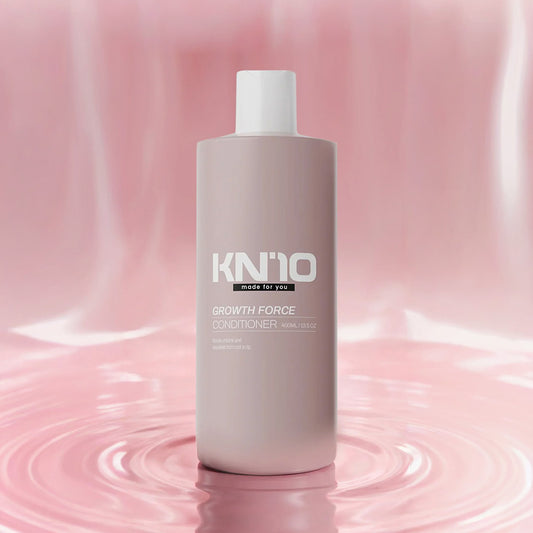
KN10 Growth Force Conditioner 400ml
Regular price $39.95Sale price $39.95 Regular priceUnit price per$51.94Sale -
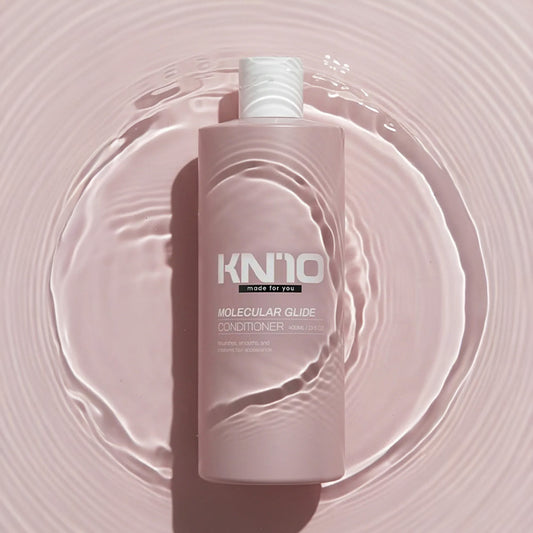
KN10 Molecular Glide Conditioner 400ml
Regular price $39.95Sale price $39.95 Regular priceUnit price per$51.94Sale -
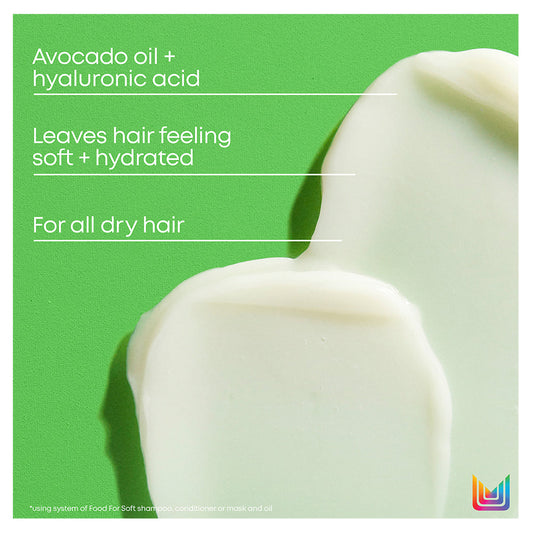
Matrix Total Results Food For Soft Conditioner 1L
Regular price $59.95Sale price $59.95 Regular priceUnit price per$89.95Sale -
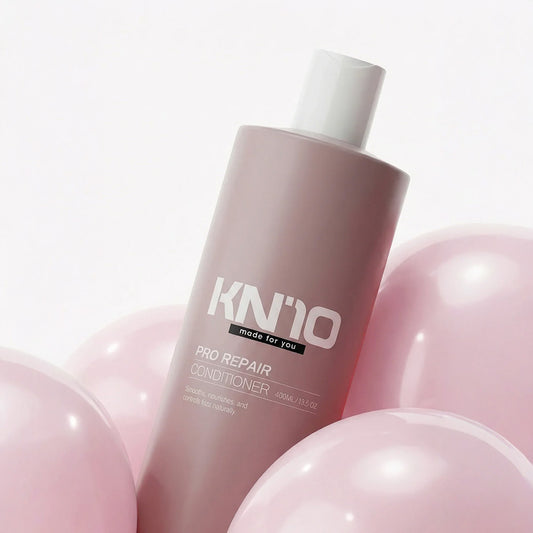
KN10 Pro Repair Conditioner 400ml
Regular price $39.95Sale price $39.95 Regular priceUnit price per$51.94Sale -
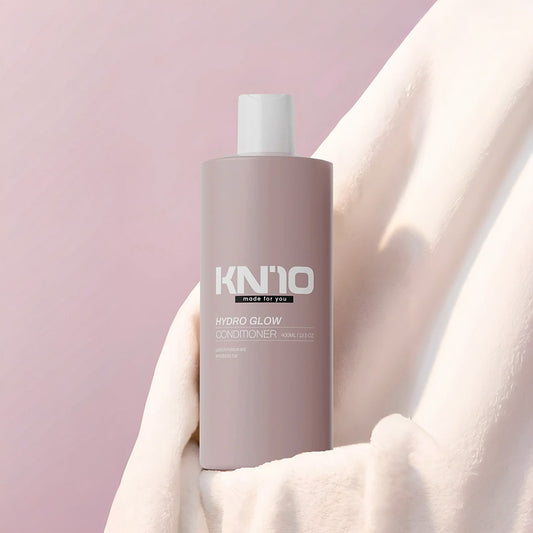
KN10 Hydro Glow Conditioner 400ml
Regular price $39.95Sale price $39.95 Regular priceUnit price per$51.94Sale -
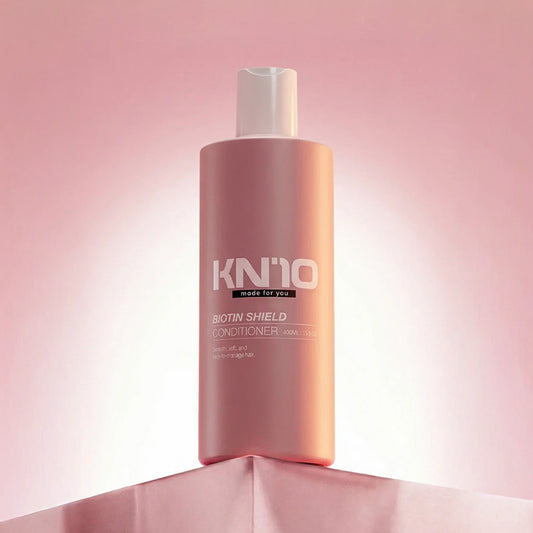
KN10 Biotin Shield Conditioner 400ml
Regular price $39.95Sale price $39.95 Regular priceUnit price per$51.94Sale -
Natalie Anne Hydrating Conditioner 250ml
Regular price $47.78Sale price $47.78 Regular priceUnit price per$63.70Sale -
Natalie Anne Hydrating Conditioner 1L
Regular price $110.18Sale price $110.18 Regular priceUnit price per$146.90Sale -
Elegance Extract Series Argan Oil Leave in Conditioner 300ml
Regular price $18.00Sale price $18.00 Regular priceUnit price per$28.95Sale -
Pureology Hydrate Sheer Conditioner 266ml
Regular price $55.35Sale price $55.35 Regular priceUnit price per$71.96Sale -
Pureology Hydrate Sheer Conditioner 1L
Regular price $118.15Sale price $118.15 Regular priceUnit price per$153.60Sale -
Natalie Anne Hydrating Conditioner 100ml
Regular price $22.43Sale price $22.43 Regular priceUnit price per$29.90Sale -
Pureology Hydrate Conditioner 266ml
Regular price $55.35Sale price $55.35 Regular priceUnit price per$71.96Sale





































Your Questions Answered
The conditioner didn't penetrate. Either the formula was too heavy to absorb, or your cuticle is too tight to let it in. Try a lighter hydrating formula with smaller humectant molecules, and apply heat while it sits; a shower cap works well. If that doesn't help, a quick clarifying wash can remove buildup that's blocking absorption.
No. Hydrating conditioner is for regular use. It maintains moisture levels wash after wash. A mask is a deeper treatment meant for weekly use, with higher concentrations of active ingredients. You can use both in the same routine: conditioner for daily maintenance, mask for an extra boost when your hair feels particularly thirsty.
It shouldn't, if you choose the right formula. Fine hair suits lightweight, water-based hydrating conditioners that don't rely on heavy oils or butters. Apply sparingly and focus on the ends. Too much product anywhere near the roots will flatten fine hair regardless of the formula.


