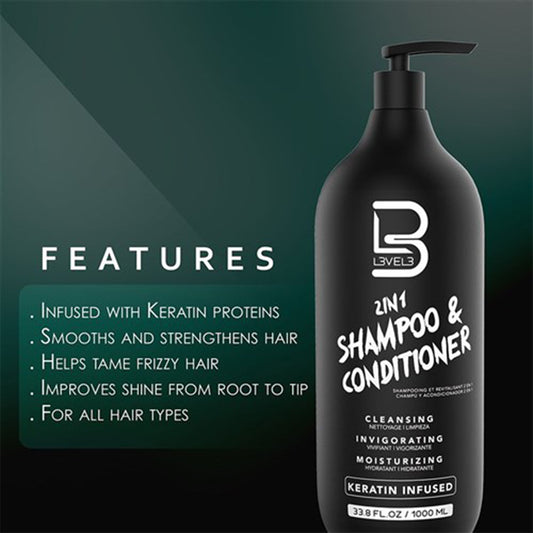
Collection: Keratin Conditioner

Keratin Conditioner

If you've coloured your hair, you'll know it doesn't come without some damage. Add heat styling and other chemical services on top, and it starts to look dull and feel rough. A lot of that comes down to keratin, the protein your hair is built from. Bleach, heat, colour, and even daily brushing wear it away over time, and as it goes, hair gets weaker and more prone to breakage. A keratin conditioner puts some of that protein back where it counts, inside the strand, so hair regains strength and elasticity and bends instead of snapping.

It's for anyone whose hair feels weak, brittle, or breaks easily. Salons keep it on hand, too. By filling the weak spots along each strand, it builds resilience, adds back shine and moisture, and smooths frizz by sealing the cuticle. It's not a quick fix for serious damage, but with regular use, it steadily strengthens hair, wash after wash. 
What to Look for in a Protein-Rich Conditioner

  • Start with the ingredient list. Effective conditioners use hydrolysed keratin, which means the protein molecules have been broken down to a size that can enter the hair shaft. If the label simply says "keratin" without "hydrolysed", it's likely just coating the surface and washing off with the next shower.

  • Look at the order of ingredients, too. Keratin should appear within the first few ingredients, not buried at the bottom where it's barely present in any meaningful amount. A high-quality conditioner will have it placed well above preservatives or thickeners.

  • Balance is everything. A protein-heavy formula without enough moisture can leave your hair feeling stiff, especially if it's already dry or porous. The better conditioners mix keratin with hydrating ingredients like glycerin, aloe, or lightweight oils so your hair gets both structure and softness.

  • What's your hair's starting point? If it's breaking easily or feels gummy when wet, you need a higher protein concentration and to use it more frequently. If it's just slightly weak or lacks bounce, a lighter touch will do the job without overwhelming the strand.

  • Pay attention to how your hair responds. If it starts to feel rigid or straw-like, you're likely overdoing the protein. That's your cue to pull back and rotate with a moisture-focused conditioner. Every head of hair has its own limit, so adjust as you go rather than sticking to a rigid schedule.


How to Rebuild Hair Without Weighing It Down

Keratin needs time to absorb, so start with a sulphate-free or keratin shampoo (sulphates will pull the protein back out). Squeeze excess water from your hair before applying, because keratin absorbs well on damp, not dripping, hair. Use a 20-cent piece amount for shoulder-length hair. More product doesn't mean better results. Apply from mid-lengths to ends only, keeping it off the roots where protein can feel heavy.

Leave it on for 3 to 5 minutes so the protein has time to penetrate. Rinse with lukewarm water. Hot water opens the cuticle too far and lets the protein escape. For intensive smoothing, leave it on for 5 to 7 minutes under a shower cap. The heat helps absorption.

Frequency depends on damage level. For damaged hair, use it every wash for two weeks, then 2 to 3 times a week. For normal hair, once a week. For healthy hair, skip it. Overuse causes protein overload, leaving hair stiff and brittle instead of strong.

Balance protein with moisture. Use keratin shampoo and conditioner on protein days, and switch to a nourishing wash on other days. Once a week, use a keratin mask for deeper repair or a hydrating hair mask if your hair feels stiff. The mask rebuilds, the conditioner maintains. For ongoing damage, the hair care for damaged hair range covers bond builders, masks, and treatments alongside the wash-and-condition routine.


Protein vs Moisture, Which Does Your Hair Need?

Not every dry or damaged hair type needs keratin. Knowing which signs point where makes the difference.

  • Signs you need keratin: hair stretches and then snaps when wet; ends are split or fraying; hair feels mushy or gummy when wet; colour services aren't holding as long as they used to; or hair breaks under light tension.

  • Signs you need something else: air feels dry but doesn't snap (needs hydration, not protein), hair feels sticky or coated (buildup; clarify first), or hair is stiff and crunchy (protein overload; pause protein and switch to moisture).

For real protein deficiency, nothing else does the job as well as keratin.  For dehydration, a hydrating conditioner is the better call. When both are an issue, use keratin one wash and hydrating the next.

How Often Should You Use Protein on Your Hair?

Different damage levels call for different approaches.

  • Bleached or highlighted hair has lost significant protein. Use keratin conditioner every wash for the first two weeks post-service, then drop to twice a week. Pairing with a repairing shampoo supports maximum bond repair. The essential guide to caring for bleached hair covers the broader routine thoroughly.

  • Chemically straightened or relaxed hair has undergone a protein-stripping process and needs keratin after every wash for the first month, then once or twice a week thereafter. Pair with a matching keratin shampoo so the wash keeps protein levels stable, too. And alternate with a hydrating conditioner to avoid overload.

  • Heat-styled hair loses protein bit by bit with each blow-drying, straightening, or curling. Once a week is generally enough. Use it as a Sunday deep treatment for 5 minutes under a shower cap. A smoothing shampoo on styling days helps keep the cuticle flat under high heat.

  • Colour-treated hair that hasn't been bleached has mild protein loss, and using keratin every two weeks is enough. Alternating keratin with a colour shampoo and colour conditioner helps the colour hold better across the whole routine. The broader range of hair care products for coloured hair supports the full system.

  • Naturally dry or coarse hair may not need keratin at all. Coarse hair already carries more protein than fine hair, so adding more can make it stiffer. Do one wash and see how your hair responds before committing to regular use.

  • Frizzy or chemically smoothed hair benefits from keratin's cuticle-sealing effect, which works against humidity. Pair with an anti-frizz shampoo so both the wash and the conditioner work to seal the cuticle. The hair care products for frizzy hair range covers the broader system.


The AMR Difference in Protein Conditioning

Salon-grade keratin conditioner differs from standard retail versions in two specific ways: protein fragment size and concentration. Professional formulas use hydrolysed keratin broken into fragments small enough to penetrate the cortex. Cheaper versions use larger protein molecules that sit on the surface and wash off within a couple of shampoos. Professional formulas also carry higher percentages of active keratin, so visible improvements in strength and elasticity can appear within 3 to 4 washes.

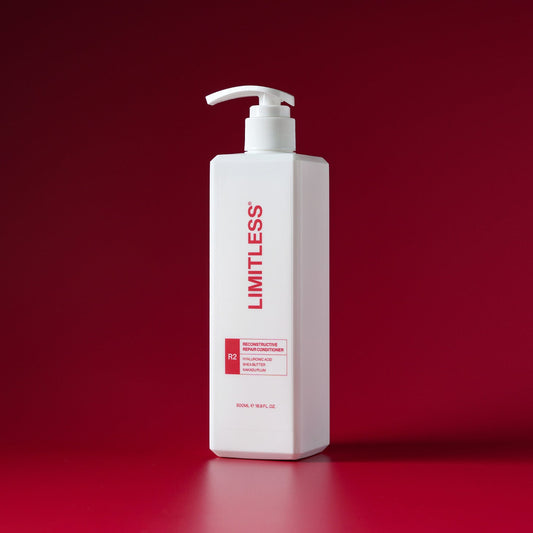
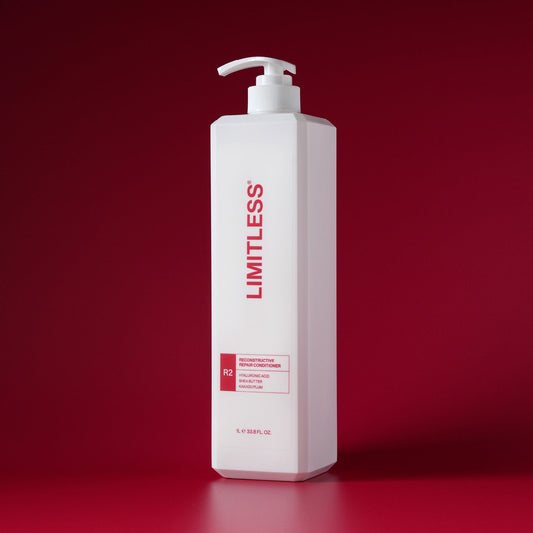
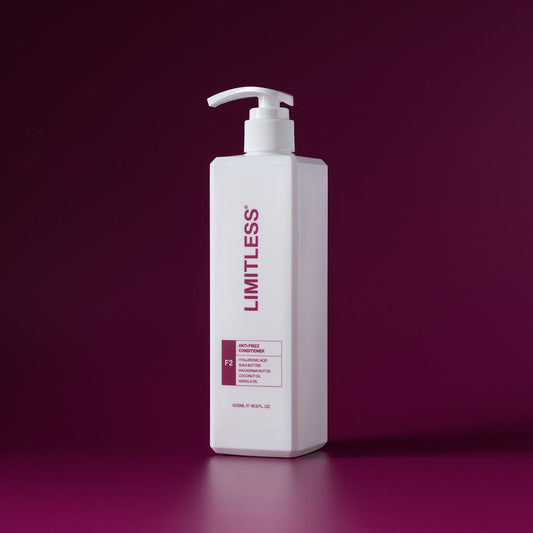
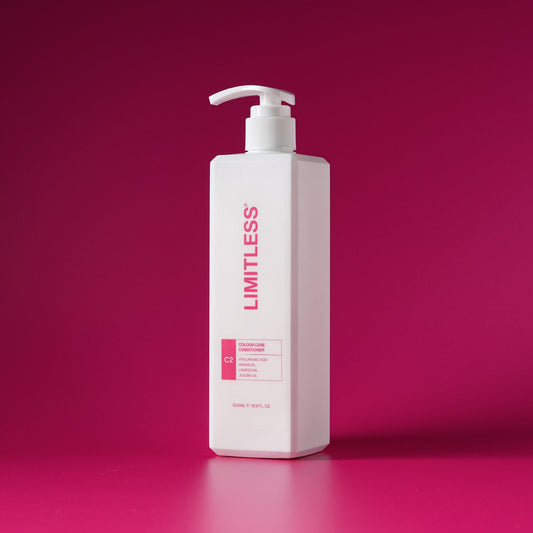
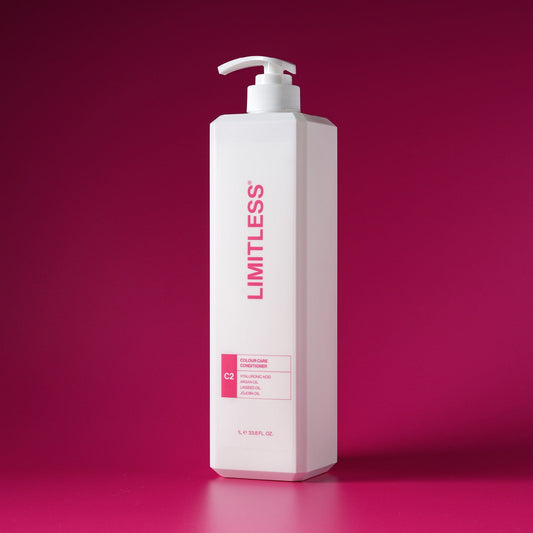
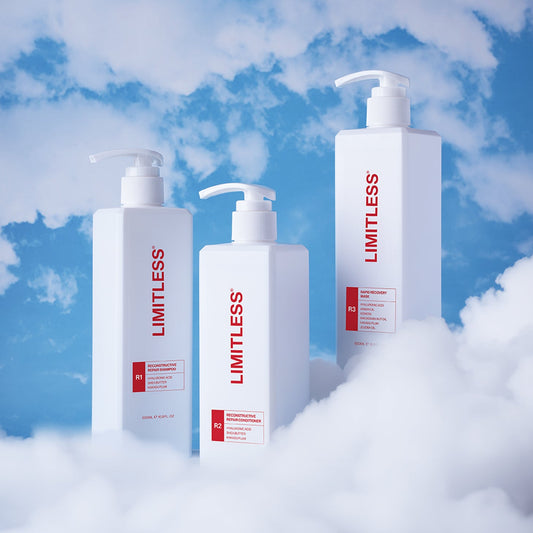
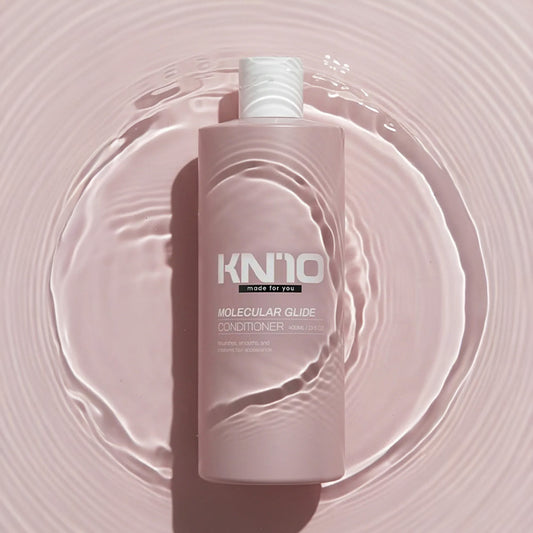
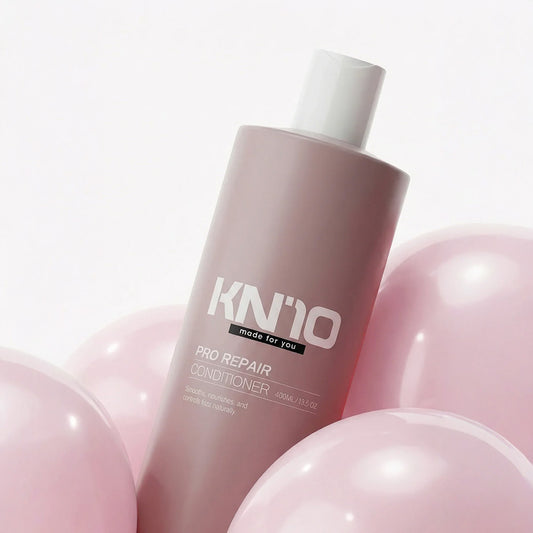
AMR stocks keratin conditioner from brands including Limitless, Brasil Cacau, Luxliss, Pure Brazilian, and 12 Reasons, in sizes from 300ml up to 1L, with Australia-wide shipping. The wider hair conditioner range covers most hair types and concerns, from frizz and dryness to colour care, damage, and everyday conditioning. Salons can also explore bulk conditioner options to keep their back bar stocked.


Read more

20 products

Your Questions Answered

Pause the keratin for two to three weeks and switch to a hydrating conditioner and a deep moisture mask, then reintroduce it once a week at most. Fine hair and low-porosity hair tip into overload faster than coarse or high-porosity hair, so they need a lighter hand and a longer gap between protein washes.

No, and no bottle should claim it is. A keratin conditioner deposits protein into the cortex, strengthening and smoothing but not straightening, and it won't change your curl pattern. A keratin smoothing treatment (Brazilian blowout, keratin straightening) is an in-salon service that uses heat to reshape the bonds and temporarily alter the curl. The conditioner maintains those results between appointments rather than replacing the service.

You can, but virgin hair with no chemical or heat damage already has an intact protein structure, so it rarely needs more. Adding protein it doesn't need can tip it into stiffness over time. If it's in good condition, use keratin conditioner once a month at most, or skip it and stick with a hydrating conditioner.