


-
Olaplex No.4 Bond Maintenance Shampoo 250ml
Regular price $44.00Sale price $44.00 Regular priceUnit price per$60.00Sale -
12 Reasons Argan Oil Shampoo 400ml
Regular price $23.95Sale price $23.95 Regular priceUnit price per$29.95Sale -
12 Reasons Marula Oil Shampoo 400ml
Regular price $23.95Sale price $23.95 Regular priceUnit price per$29.95Sale -
12 Reasons Keratin Shampoo 400ml
Regular price $23.95Sale price $23.95 Regular priceUnit price per$29.95Sale -
12 Reasons Marula Oil Shampoo 1L
Regular price $42.95Sale price $42.95 Regular priceUnit price per$59.95Sale -
12 Reasons Argan Oil Shampoo 1L
Regular price $42.95Sale price $42.95 Regular priceUnit price per$59.95Sale -
12 Reasons Keratin Shampoo 1L
Regular price $42.95Sale price $42.95 Regular priceUnit price per$59.95Sale -
Olaplex No.4P Blonde Enhancer Toning Shampoo 250ml
Regular price $44.95Sale price $44.95 Regular priceUnit price per$60.00Sale -
BackBar Hydrate Shampoo 5L
Regular price $40.00Sale price $40.00 Regular priceUnit price per$69.90Sale -
BackBar Lanolin Shampoo 5L
Regular price $40.00Sale price $40.00 Regular priceUnit price per$69.90Sale -
BackBar Strawberry Shampoo 5L
Regular price $40.00Sale price $40.00 Regular priceUnit price per$69.90Sale -
BackBar Ultra Blonde Shampoo 5L
Regular price $40.00Sale price $40.00 Regular priceUnit price per$69.90Sale -
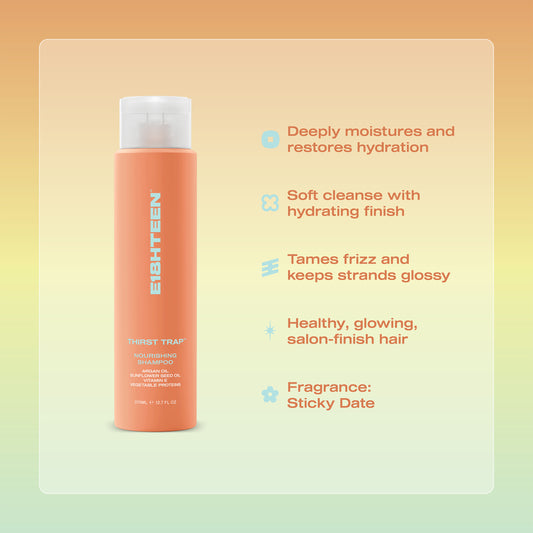
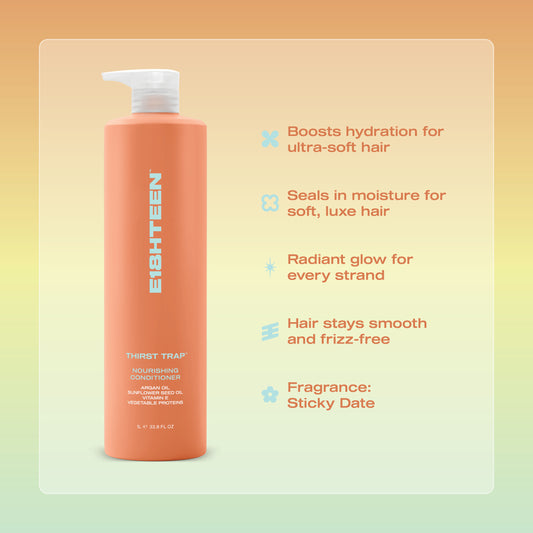
E18HTEEN Thirst Trap Shampoo 375ml
Regular price $14.95Sale price $14.95 Regular priceUnit price per$29.90Sale -
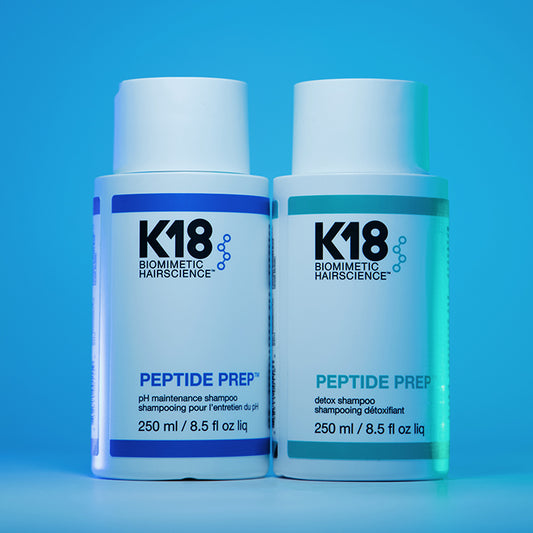
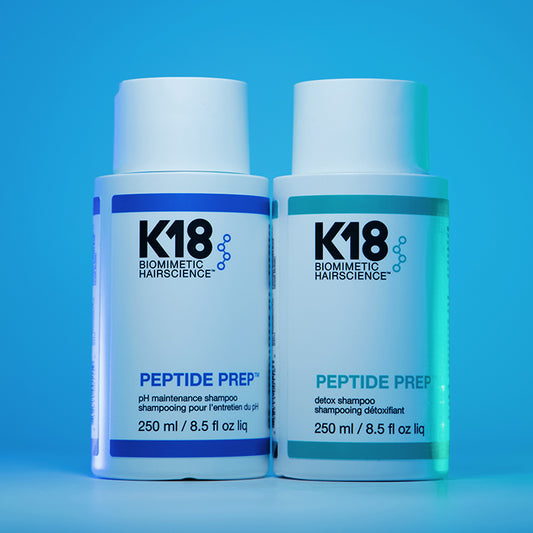
K18 Peptide Prep Detox Shampoo 250ml
Regular price $59.95Sale price $59.95 Regular priceUnit price per$59.95 -
K18 Peptide Prep ph Maintenance Shampoo 250ml
Regular price $43.02Sale price $43.02 Regular priceUnit price per$61.45Sale -
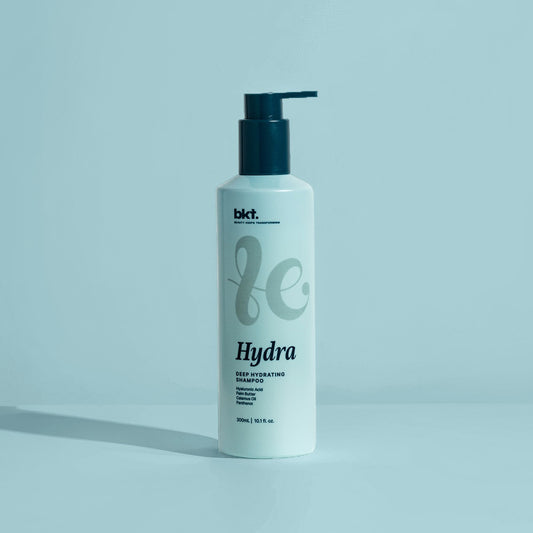
BKT Hydra Deep Hydration Shampoo 300ml
Regular price $62.00Sale price $62.00 Regular priceUnit price per$79.95Sale -
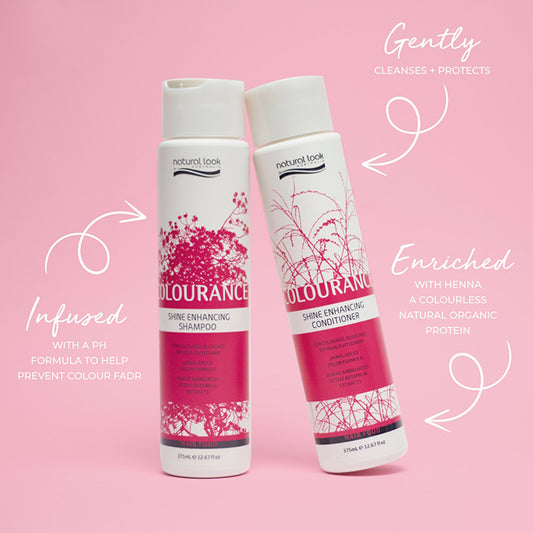
Natural Look Colourance Shine Enhancing Shampoo 5L
Regular price $53.96Sale price $53.96 Regular priceUnit price per$59.95Sale -
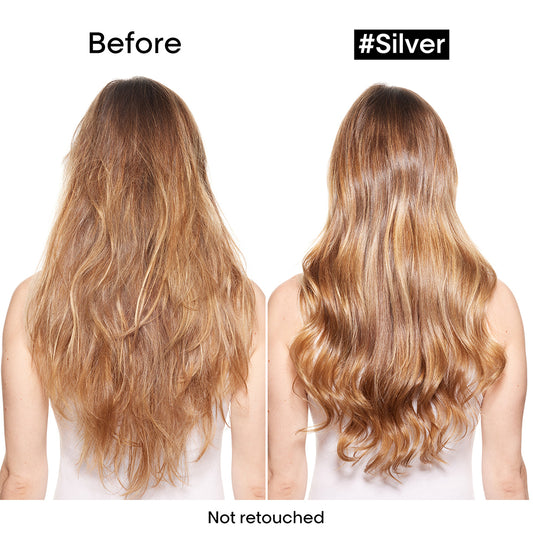
L'Oreal Professionnel Silver Shampoo 1500ml
Regular price $74.95Sale price $74.95 Regular priceUnit price per$97.44Sale -
Natural Look Colourance Shine Enhancing Shampoo 1L
Regular price $26.96Sale price $26.96 Regular priceUnit price per$29.95Sale -
Natural Look Colourance Shine Enhancing Shampoo 375ml
Regular price $16.16Sale price $16.16 Regular priceUnit price per$17.95Sale -
Brasil Cacau Anti Frizz Shampoo 1L
Regular price $54.95Sale price $54.95 Regular priceUnit price per$78.50Sale -
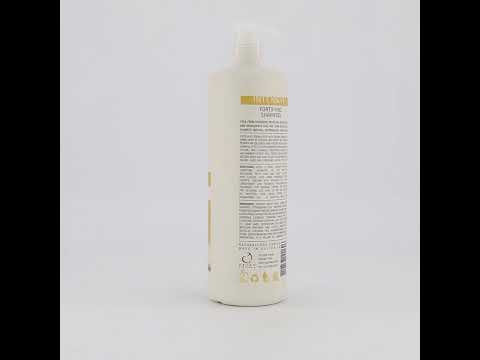
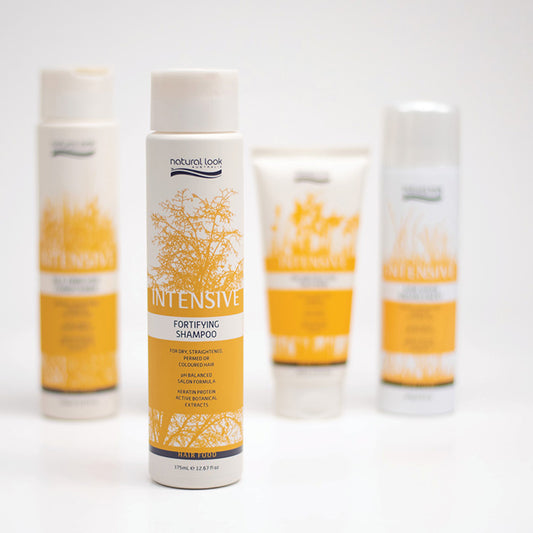
Natural Look Intensive Fortifying Shampoo 1L
Regular price $27.86Sale price $27.86 Regular priceUnit price per$30.95Sale -
Natural Look Intensive Fortifying Shampoo 375ml
Regular price $17.06Sale price $17.06 Regular priceUnit price per$18.95Sale -
Natural Look Intensive Fortifying Shampoo 5L
Regular price $55.00Sale price $55.00 Regular priceUnit price per$55.00 -
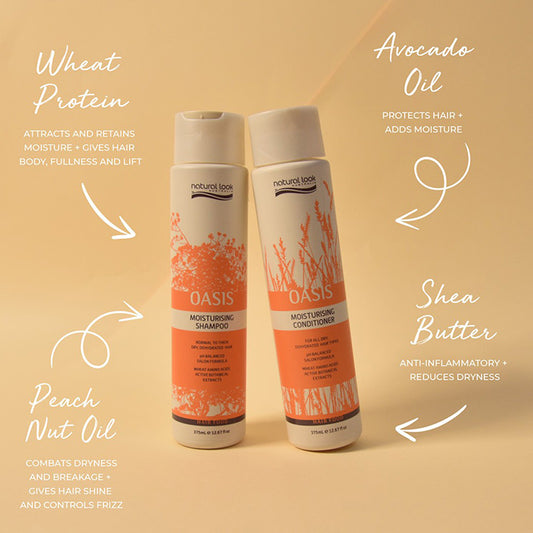
Natural Look Oasis Moisturising Shampoo 375ml
Regular price $16.16Sale price $16.16 Regular priceUnit price per$17.95Sale -
Natural Look Oasis Moisturising Shampoo 1L
Regular price $26.96Sale price $26.96 Regular priceUnit price per$29.95Sale -
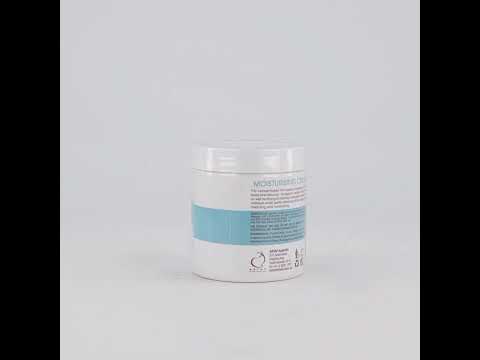
Natural Look Moisturising Cream Shampoo Hair And Body Wash 500g
Regular price $23.36Sale price $23.36 Regular priceUnit price per$25.95Sale -
E18HTEEN Thirst Trap Nourishing Shampoo 1L
Regular price $19.95Sale price $19.95 Regular priceUnit price per$39.95Sale -
NK Goldilocks Pure Green Soft Shampoo 500ml
Regular price $29.95Sale price $29.95 Regular priceUnit price per$49.95Sale -
12 Reasons Marula Oil Shampoo 60ml
Regular price $6.79Sale price $6.79 Regular priceUnit price per$7.99Sale -
Olaplex No.4 Bond Maintenance Shampoo 100ml
Regular price $26.99Sale price $26.99 Regular priceUnit price per$29.95Sale -
Redken Extreme Shampoo Strength 300ml
Regular price $34.95Sale price $34.95 Regular priceUnit price per$45.44Sale -
Luxliss Keratin Daily Care Shampoo 500ml
Regular price $35.98Sale price $35.98 Regular priceUnit price per$89.95Sale -
Luxliss Keratin Daily Care Shampoo 250ml
Regular price $19.98Sale price $19.98 Regular priceUnit price per$49.95Sale -
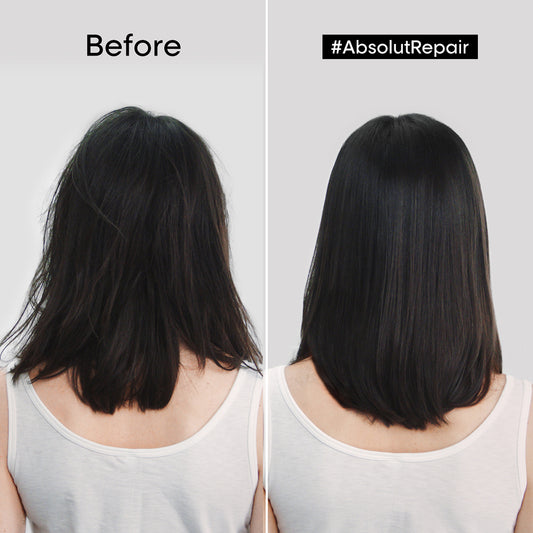
L'Oréal Professionnel Absolut Repair Shampoo 1500mL
Regular price $69.95Sale price $69.95 Regular priceUnit price per$137.28Sale -
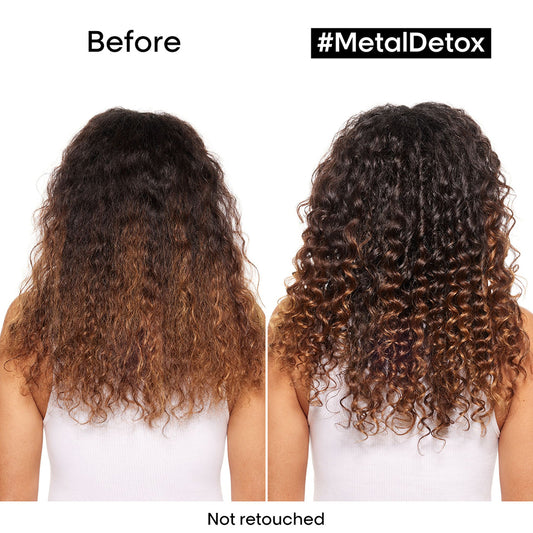
L'Oréal Professionnel Metal Detox Shampoo 1500mL
Regular price $134.95Sale price $134.95 Regular priceUnit price per$253.44Sale -
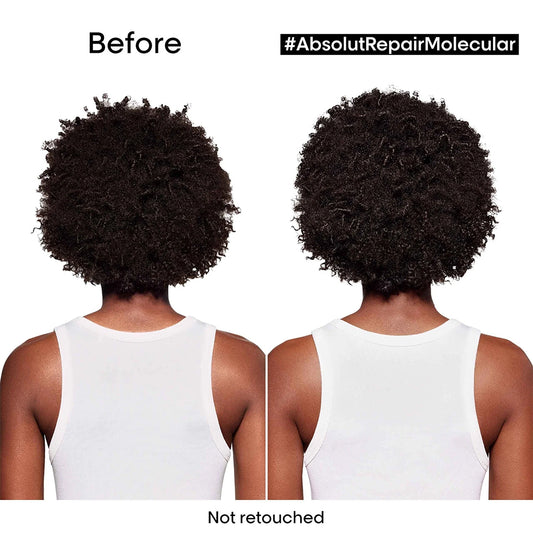
L'Oréal Professionnel Absolut Repair Molecular Shampoo 1500mL
Regular price $134.95Sale price $134.95 Regular priceUnit price per$253.44Sale -
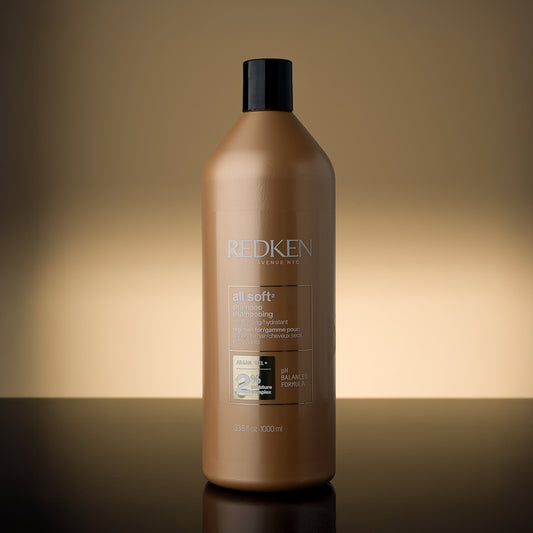
Redken All Soft Shampoo 1L
Regular price $59.95Sale price $59.95 Regular priceUnit price per$109.82Sale -
E18HTEEN Thirst Trap Nourishing Duo 1L
Regular price $35.95Sale price $35.95 Regular priceUnit price per$79.90Sale -
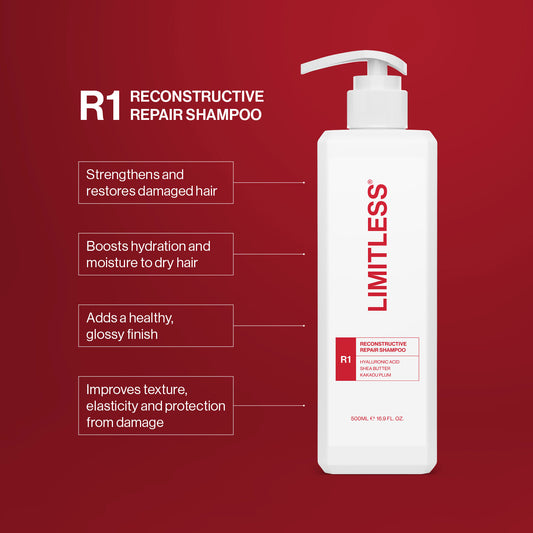
Limitless Revive & Repair Bundle
Regular price $122.95Sale price $122.95 Regular priceUnit price per$136.75Sale
























Your Questions Answered
Immediately. Same day if you're washing at home. Bond builders and hydrolysed protein work well when the cuticle is still open from the chemical service. That's the window when active ingredients penetrate most easily. Waiting a week misses the most effective repair period.
That's protein overload, either from using repair shampoo too often or applying it to hair that didn't need heavy protein work in the first place. Stop repairing washes for two weeks and swap to a moisturising shampoo and a hydrating hair mask. When you bring the repair shampoo back, limit it to once a week at most. Fine hair and low-porosity hair both overload faster than coarse or high-porosity hair.
You can use it, but it's unlikely to add much. Virgin hair has an intact protein structure, so adding more protein tends to sit on top of what's already there. Over time, that can lead to the same stiffness and brittleness you'd see in over-treated hair. Repairing shampoo makes most sense once you're regularly colouring, bleaching, or heat-styling.


