


-
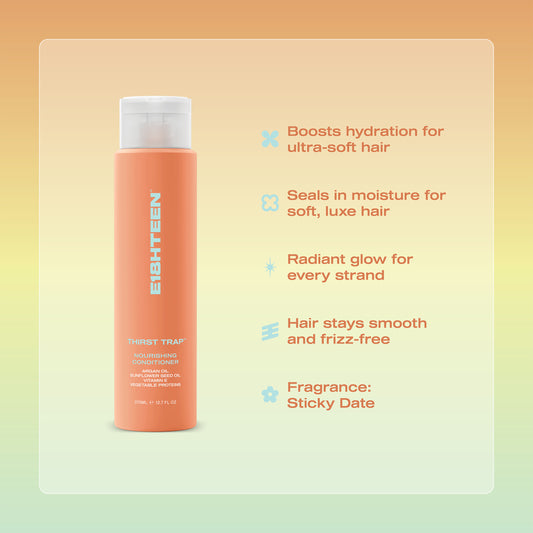
E18HTEEN Thirst Trap Conditioner 375ml
Regular price $14.95Sale price $14.95 Regular priceUnit price per$29.90Sale -
Natural Look X Ten Hair Extension Care Silky Lite Conditioner 300ml
Regular price $17.06Sale price $17.06 Regular priceUnit price per$18.95Sale -
Keratin Complex Blondeshell Conditioner 400ml
Regular price $28.88Sale price $28.88 Regular priceUnit price per$57.75Sale -
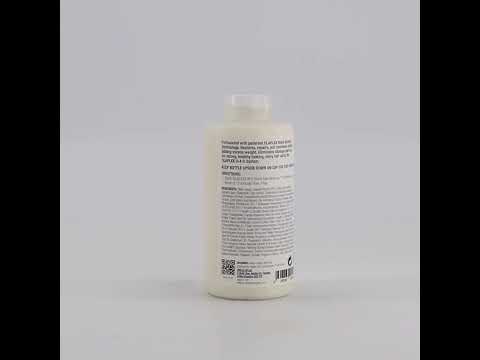
Olaplex No.5 Bond Maintenance Conditioner 250ml
Regular price $49.95Sale price $49.95 Regular priceUnit price per$60.00Sale -
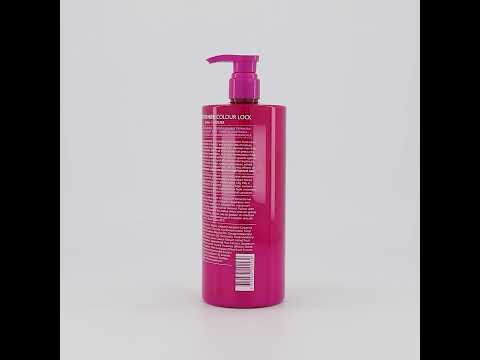
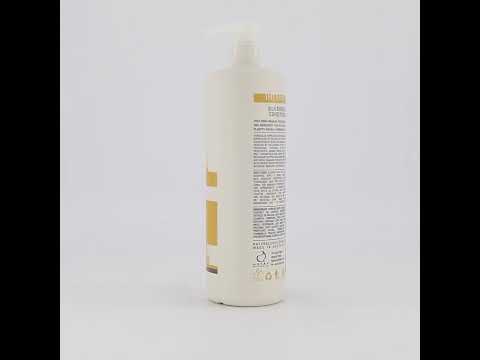
12 Reasons Argan Oil Conditioner 400ml
Regular price $23.95Sale price $23.95 Regular priceUnit price per$29.95Sale -
12 Reasons Marula Oil Conditioner 400ml
Regular price $23.95Sale price $23.95 Regular priceUnit price per$29.95Sale -
12 Reasons Keratin Conditioner 400ml
Regular price $23.95Sale price $23.95 Regular priceUnit price per$29.95Sale -
12 Reasons Marula Oil Conditioner 1L
Regular price $42.95Sale price $42.95 Regular priceUnit price per$59.95Sale -
12 Reasons Argan Oil Conditioner 1L
Regular price $43.69Sale price $43.69 Regular priceUnit price per$59.95Sale -
12 Reasons Keratin Conditioner 1L
Regular price $42.95Sale price $42.95 Regular priceUnit price per$59.95Sale -
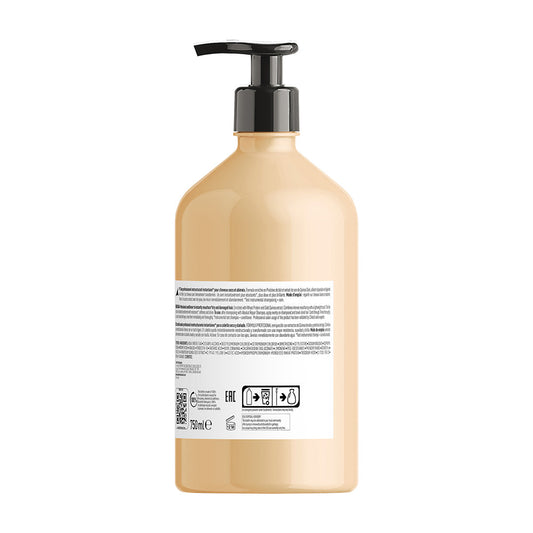
L'Oréal Professionnel Absolut Repair Conditioner 750mL
Regular price $69.95Sale price $69.95 Regular priceUnit price per$90.94Sale -
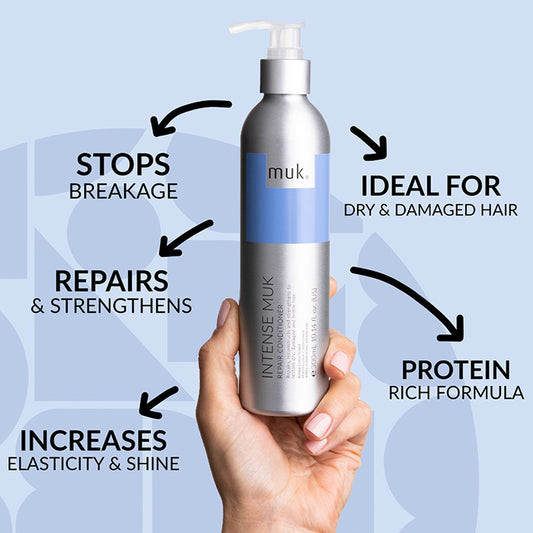
Muk Intense Muk Repair Conditioner 300ml
Regular price $12.00Sale price $12.00 Regular priceUnit price per$29.95Sale -
BackBar Hydrate Conditioner 5L
Regular price $40.00Sale price $40.00 Regular priceUnit price per$74.90Sale -
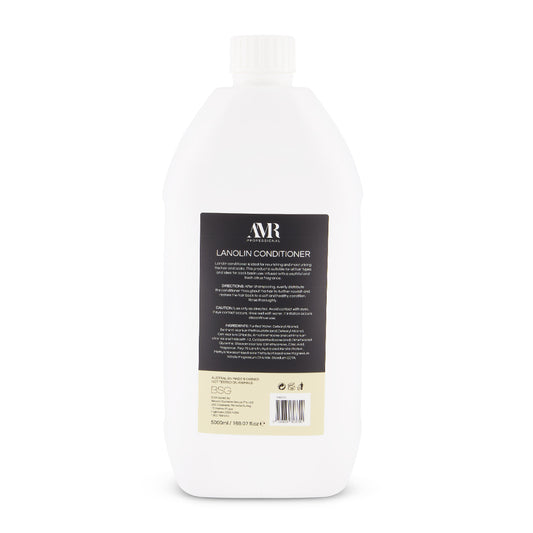
AMR Professional Lanolin Conditioner 5L
Regular price $40.00Sale price $40.00 Regular priceUnit price per$74.90Sale -
BackBar Strawberry Conditioner 5L
Regular price $40.00Sale price $40.00 Regular priceUnit price per$74.90Sale -
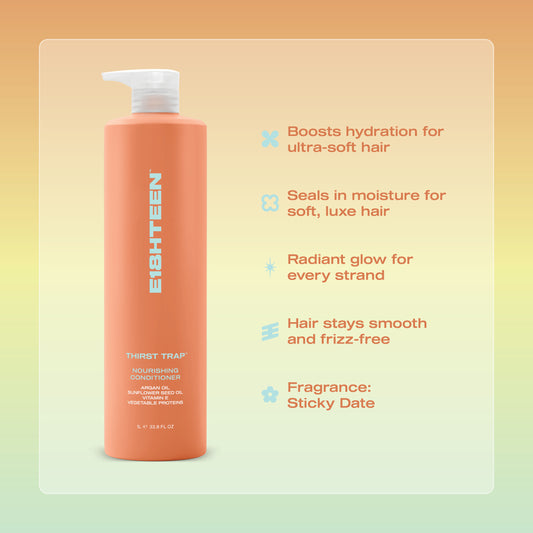
E18HTEEN Thirst Trap Nourishing Conditioner 1L
Regular price $19.95Sale price $19.95 Regular priceUnit price per$39.95Sale -
Natural Look Colourance Shine Enhancing Conditioner 5L
Regular price $53.96Sale price $53.96 Regular priceUnit price per$59.95Sale -
Hi Lift Cureplex Conditioner 350ml
Regular price $15.95Sale price $15.95 Regular priceUnit price per$25.00Sale -
Natural Look Colour Art Conditioner 980ml
Regular price $49.50Sale price $49.50 Regular priceUnit price per$55.00Sale -
Brasil Cacau Anti Frizz Conditioner 1L
Regular price $54.95Sale price $54.95 Regular priceUnit price per$78.50Sale -
Brasil Cacau Anti Frizz Conditioner 300ml
Regular price $28.50Sale price $28.50 Regular priceUnit price per$34.50Sale -
Natural Look Intensive Silk Enriched Conditioner 1L
Regular price $27.86Sale price $27.86 Regular priceUnit price per$30.95Sale -
Natural Look Intensive Silk Enriched Conditioner 5L
Regular price $53.10Sale price $53.10 Regular priceUnit price per$59.00Sale -
Natural Look Intensive Silk Enriched Conditioner 300ml
Regular price $17.06Sale price $17.06 Regular priceUnit price per$18.95Sale -
Olaplex No.5 Bond Maintenance Conditioner 100ml
Regular price $26.99Sale price $26.99 Regular priceUnit price per$29.95Sale -
Redken Extreme Conditioner Strength 300ml
Regular price $34.95Sale price $34.95 Regular priceUnit price per$45.44Sale -
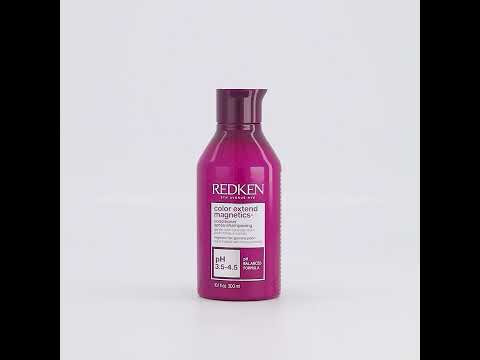
Redken Color Extend Magnetics Conditioner 300ml
Regular price $39.95Sale price $39.95 Regular priceUnit price per$51.94Sale -
Luxliss Keratin Daily Care Conditioner 500ml
Regular price $35.98Sale price $35.98 Regular priceUnit price per$89.95Sale -
Luxliss Keratin Daily Care Conditioner 200ml
Regular price $19.98Sale price $19.98 Regular priceUnit price per$49.95Sale -
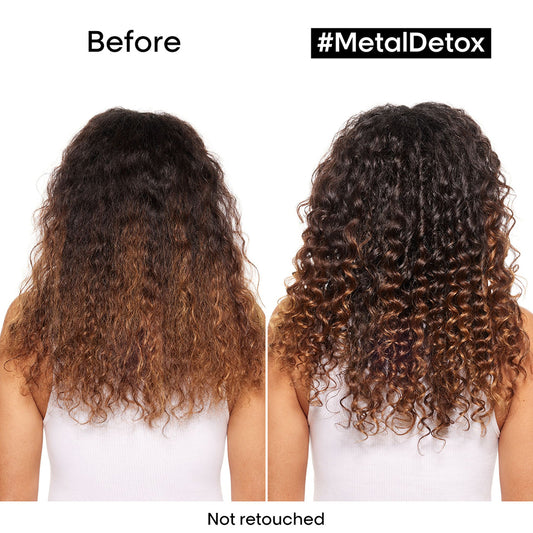
L'Oréal Professionnel Metal Detox Conditioner 500mL
Regular price $82.95Sale price $82.95 Regular priceUnit price per$163.68Sale -
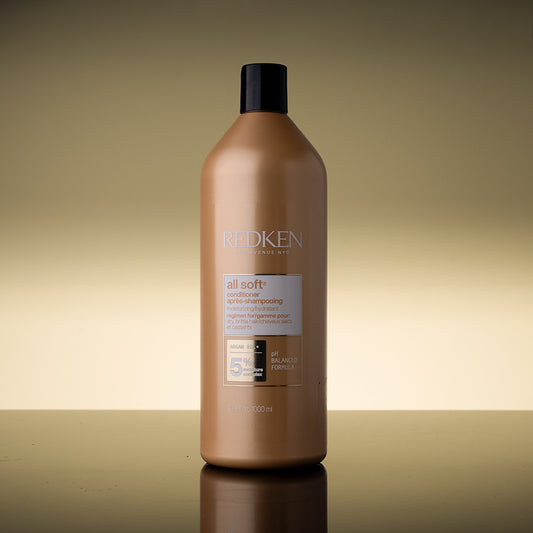
Redken All Soft Conditioner 1L
Regular price $59.95Sale price $59.95 Regular priceUnit price per$109.82Sale -
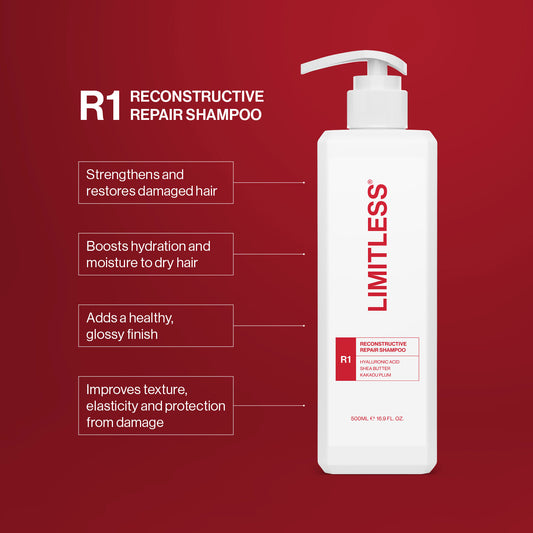
Limitless Revive & Repair Bundle
Regular price $122.95Sale price $122.95 Regular priceUnit price per$136.75Sale -
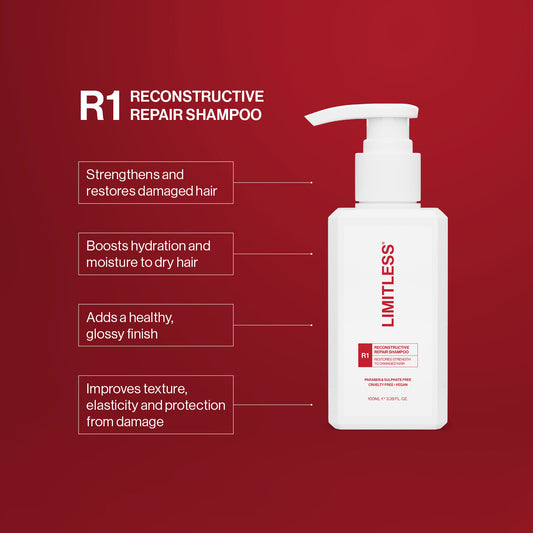
Limitless Travel-Ready Bundle
Regular price $117.95Sale price $117.95 Regular priceUnit price per$141.70Sale -
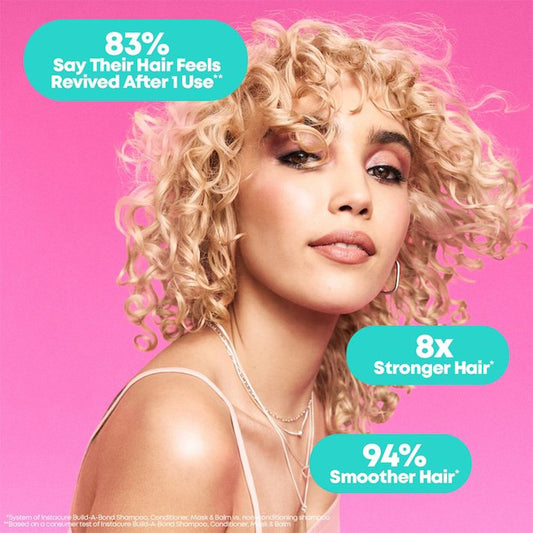
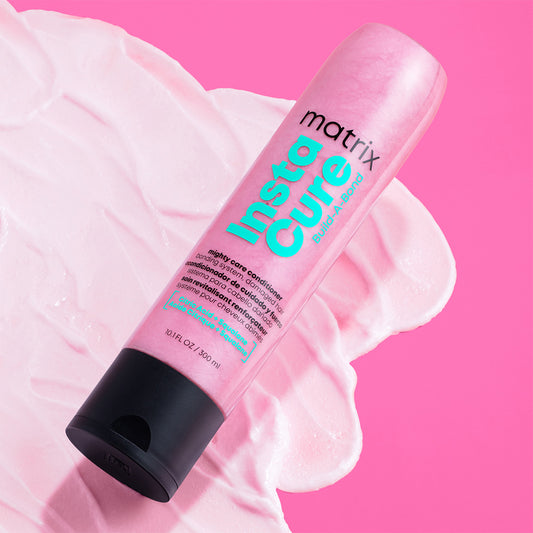
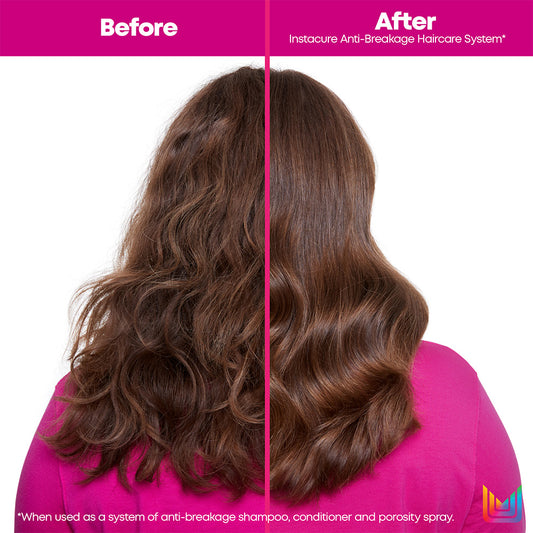
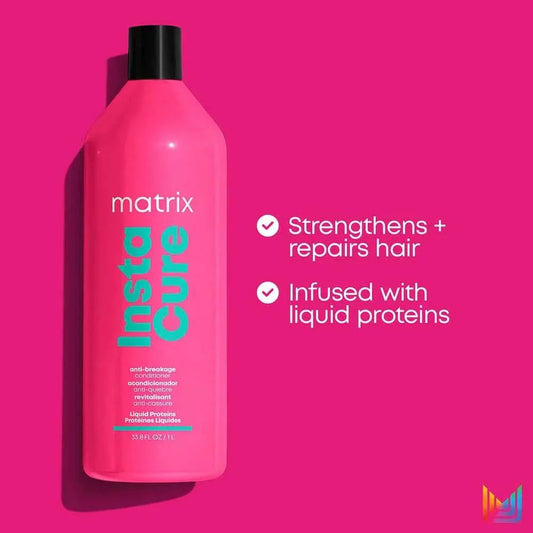
Matrix Instacure Build-A-Bond Conditioner 1L
Regular price $60.00Sale price $60.00 Regular priceUnit price per$78.00Sale -
Matrix Instacure Build-A-Bond Conditioner 300ml
Regular price $32.22Sale price $32.22 Regular priceUnit price per$41.89Sale -
Matrix Instacure Conditioner 300ml
Regular price $32.22Sale price $32.22 Regular priceUnit price per$41.89Sale -
Matrix Instacure Conditioner 1L
Regular price $60.00Sale price $60.00 Regular priceUnit price per$78.00Sale -
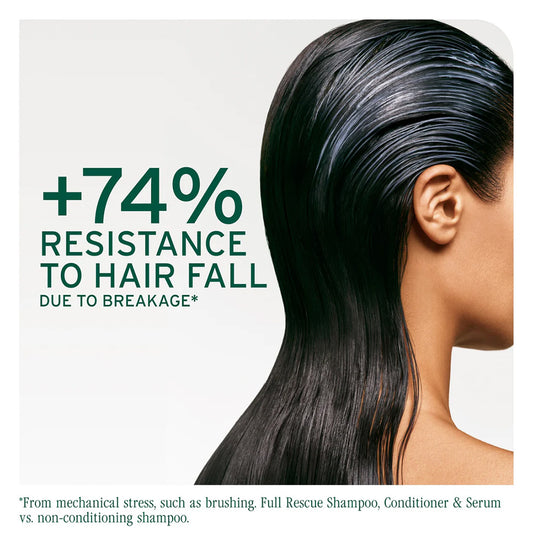
Matrix Biolage Full Rescue Conditioner 1L
Regular price $80.00Sale price $80.00 Regular priceUnit price per$106.60Sale -
Olaplex No.5FINE Bond Maintenance Conditioner for Fine Hair 250ml
Regular price $45.50Sale price $45.50 Regular priceUnit price per$59.15Sale -
Pureology Strength Cure Conditioner 1L
Regular price $118.15Sale price $118.15 Regular priceUnit price per$153.60Sale






























Your Questions Answered
Straight away. The first wash after bleaching is the ideal time to start, because the cuticle is open and the hair is at its most vulnerable, allowing protein and bond builders to penetrate more easily. Waiting doesn't protect the hair; it just delays the recovery.
Yes, but choose carefully. A lightweight, moisture-focused leave-in is fine. The thing to avoid is a second protein-heavy product on top, so check the leave-in's label. If it has hydrolysed protein high on the list, keep it for non-repair days and use the two separately.
Yes, with the right formula. Fine hair tips into stiffness faster than coarse hair, so reach for a conditioner that balances protein with moisture rather than a heavy protein-only one. That gets you the strengthening benefit without the crunchy, brittle feel fine hair is prone to.


