


-
12 Reasons Keratin Shampoo 400ml
Regular price $23.95Sale price $23.95 Regular priceUnit price per$29.95Sale -
12 Reasons Keratin Shampoo 1L
Regular price $42.95Sale price $42.95 Regular priceUnit price per$59.95Sale -
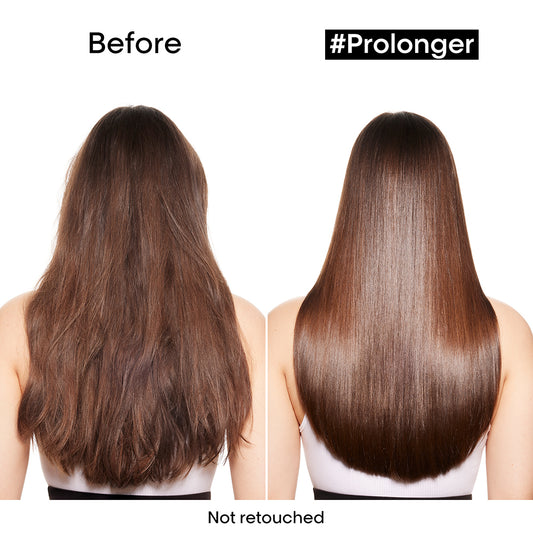
L'Oréal Professionnel Pro Longer Shampoo 1500mL
Regular price $74.95Sale price $74.95 Regular priceUnit price per$97.44Sale -
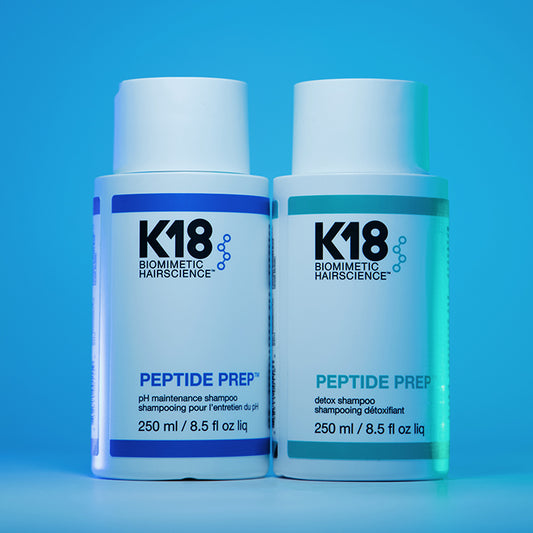
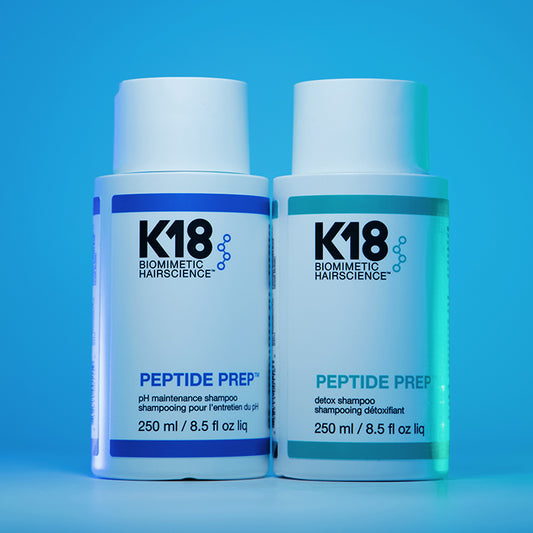
K18 Peptide Prep Detox Shampoo 250ml
Regular price $59.95Sale price $59.95 Regular priceUnit price per$59.95 -
K18 Peptide Prep ph Maintenance Shampoo 250ml
Regular price $43.02Sale price $43.02 Regular priceUnit price per$61.45Sale -
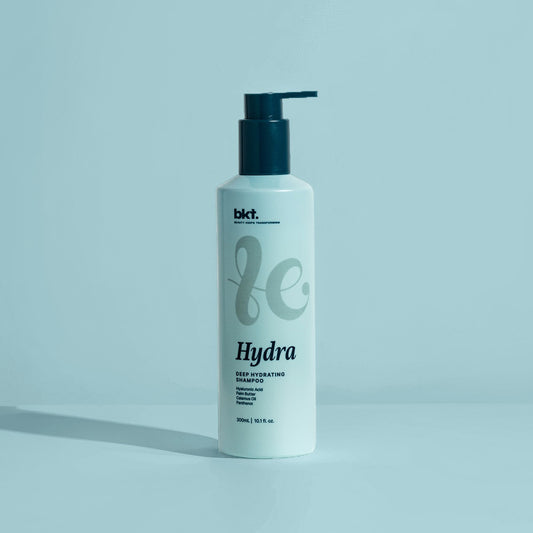
BKT Hydra Deep Hydration Shampoo 300ml
Regular price $62.00Sale price $62.00 Regular priceUnit price per$79.95Sale -
BackBar Colour Care Shampoo 5L
Regular price $30.00Sale price $30.00 Regular priceUnit price per$69.90Sale -
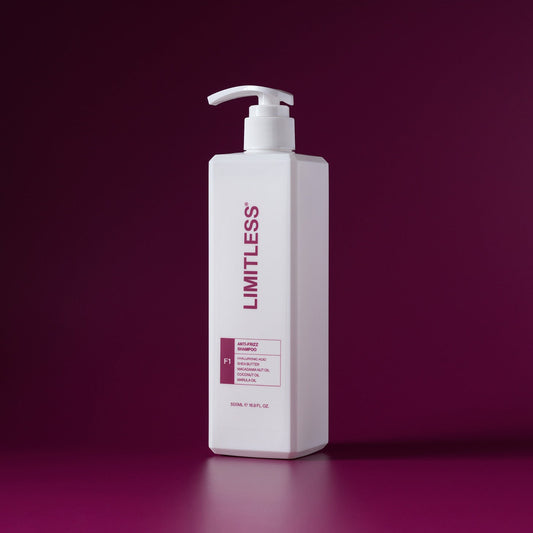
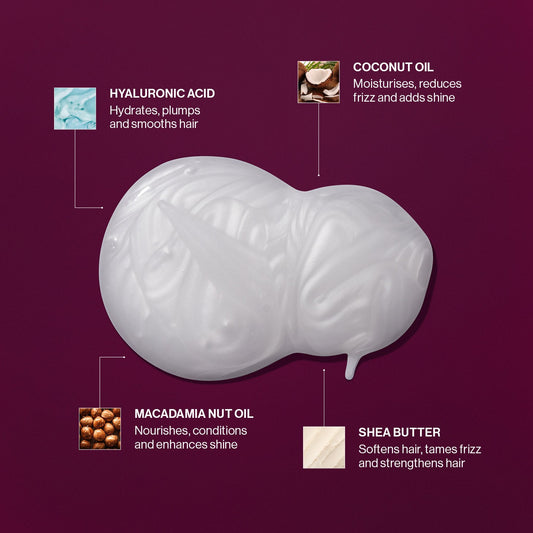
Limitless F1 Anti-Frizz Shampoo 500ml
Regular price $14.97Sale price $14.97 Regular priceUnit price per$24.95Sale -
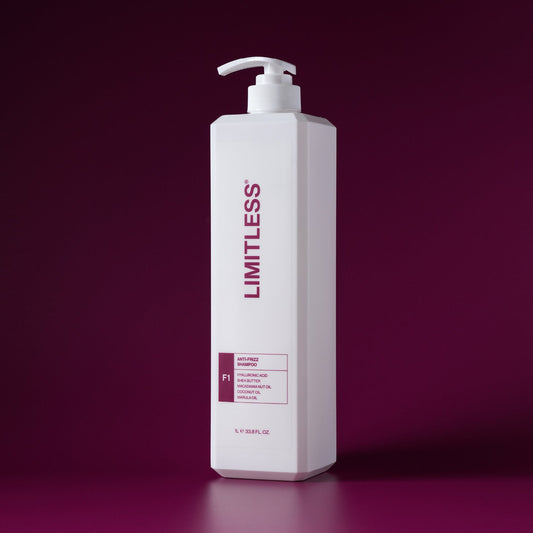
Limitless F1 Anti-Frizz Shampoo 1L
Regular price $23.97Sale price $23.97 Regular priceUnit price per$39.95Sale -
Brasil Cacau Anti Frizz Shampoo 1L
Regular price $54.95Sale price $54.95 Regular priceUnit price per$78.50Sale -
Limitless Anti-Frizz Duo Pack 500ml
Regular price $27.00Sale price $27.00 Regular priceUnit price per$45.00Sale -
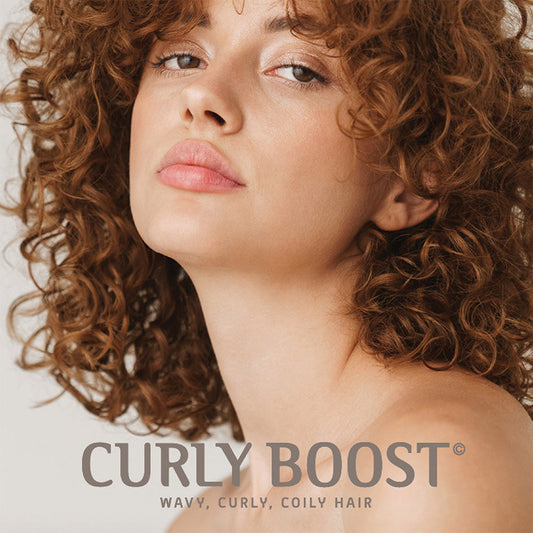
Natural Look Curly Boost Hydrating Shampoo 1L
Regular price $29.48Sale price $29.48 Regular priceUnit price per$32.75Sale -
Luxliss Keratin Daily Care Shampoo 500ml
Regular price $17.99Sale price $17.99 Regular priceUnit price per$89.95Sale -
Luxliss Keratin Daily Care Shampoo 250ml
Regular price $9.99Sale price $9.99 Regular priceUnit price per$49.95Sale -
Natural Look Curly Boost Hydrating Shampoo 375ml
Regular price $17.06Sale price $17.06 Regular priceUnit price per$18.95Sale -
Limitless F1 Anti-Frizz Shampoo 100ml
Regular price $5.97Sale price $5.97 Regular priceUnit price per$14.95Sale -
Limitless Curly Confidence Bundle
Regular price $171.95Sale price $171.95 Regular priceUnit price per$194.65Sale -
Matrix A Curl Can Dream Shampoo 300ml
Regular price $32.22Sale price $32.22 Regular priceUnit price per$41.89Sale -
Matrix A Curl Can Dream Shampoo 1L
Regular price $60.00Sale price $60.00 Regular priceUnit price per$78.00Sale -
Skala Mais Cachos #PerfectCurls Shampoo 600ml
Regular price $19.95Sale price $19.95 Regular priceUnit price per$24.95Sale -
LAB35 Curl Mania Shampoo 300ml
Regular price $7.98Sale price $7.98 Regular priceUnit price per$22.95Sale -
Skala Divine Curls Shampoo 600ml
Regular price $19.95Sale price $19.95 Regular priceUnit price per$24.95Sale -
Skala Babosa Aloe Vera moisturising curly-haired Shampoo 600ml
Regular price $19.95Sale price $19.95 Regular priceUnit price per$24.95Sale -
Aveda Be Curly Advanced Shampoo 250ml
Regular price $59.00Sale price $59.00 Regular priceUnit price per$70.80Sale -
Fanola No Yellow Shampoo 350ml
Regular price $23.90Sale price $23.90 Regular priceUnit price per$27.95Sale -
Brasil Cacau EcoKeratin Treatment Kit 300ml
Regular price $148.00Sale price $148.00 Regular priceUnit price per$282.70Sale -
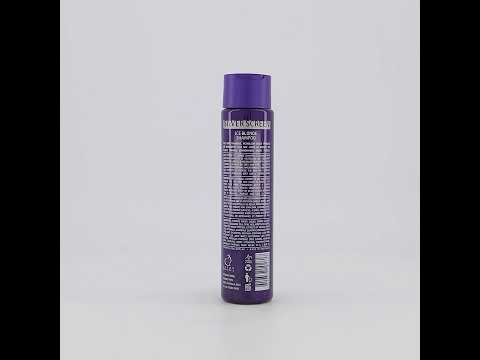
Natural Look Silver Screen Ice Blonde Shampoo 1L
Regular price $35.96Sale price $35.96 Regular priceUnit price per$39.95Sale -
Natural Look Colourance Intense Violet Shampoo 250ml
Regular price $16.16Sale price $16.16 Regular priceUnit price per$17.95Sale -
Natural Look Static Free Anti Frizz Shampoo 1L
Regular price $33.26Sale price $33.26 Regular priceUnit price per$36.95Sale -
Fanola No Orange Vegan Shampoo Sulfate Free 350ml
Regular price $24.95Sale price $24.95 Regular priceUnit price per$39.90Sale -
Natural Look Silver Screen Ice Blonde Shampoo 375ml
Regular price $17.06Sale price $17.06 Regular priceUnit price per$18.95Sale -
Dumb Blonde No Yellow Shampoo 1L
Regular price $9.98Sale price $9.98 Regular priceUnit price per$49.95Sale -
Dumb Blonde No Yellow Shampoo 375ml
Regular price $4.98Sale price $4.98 Regular priceUnit price per$29.95Sale -
Punky 3-In-1 Shampoo Tealistic 250ml
Regular price $29.17Sale price $29.17 Regular priceUnit price per$47.00Sale -
Punky 3-In-1 Shampoo Blondetastic 250ml
Regular price $29.17Sale price $29.17 Regular priceUnit price per$47.00Sale -
Punky 3-In-1 Shampoo Coralustrous 250ml
Regular price $29.17Sale price $29.17 Regular priceUnit price per$47.00Sale -
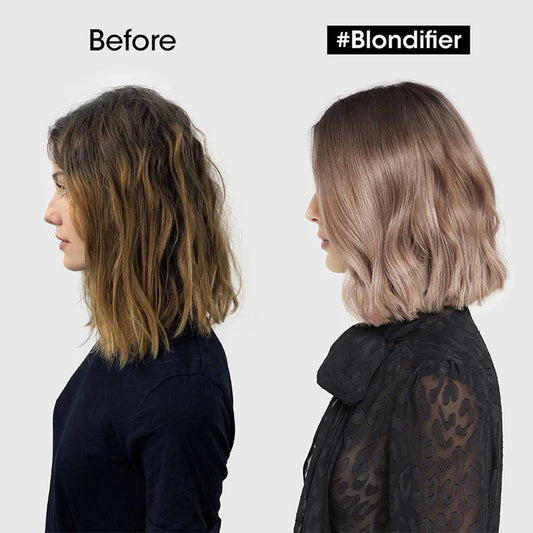
L'Oréal Professionnel Blondifier Gloss Shampoo 1500mL
Regular price $74.95Sale price $74.95 Regular priceUnit price per$97.44Sale -
BackBar Deep Clarifying Shampoo 5L
Regular price $30.00Sale price $30.00 Regular priceUnit price per$69.90Sale -
BackBar Hydrate Shampoo 5L
Regular price $30.00Sale price $30.00 Regular priceUnit price per$69.90Sale -
BackBar Lanolin Shampoo 5L
Regular price $30.00Sale price $30.00 Regular priceUnit price per$69.90Sale
























Your Questions Answered
The difference tends to show up within a couple of washes. Standard shampoos rely on stronger sulphates that strip the natural oils curly hair depends on, leaving curls dry, frizzy, and poorly defined. Curl-specific formulas use milder cleansers and more slip. Most clients who make the switch don't go back.
Yes, used sparingly. Curls accumulate product residue (gel, cream, oil) more quickly than straight hair because of the way the shape traps product between coils. A clarifying shampoo once a month, followed immediately by a deep conditioner, works well. Avoid harsh clarifiers on tight curls unless there is also heavy product build-up. For most curly clients, a curl shampoo with built-in gentle detoxifying properties delivers better results without the risk of dryness.
There are two likely reasons. The shampoo may contain sulphates, and switching to a low-poo or co-wash often makes a noticeable difference. Alternatively, conditioner may not be staying on long enough. Curly hair benefits from conditioner left on for three to five minutes, and many curl types also need a leave-in on top. If both issues are addressed and the hair still feels dry, a weekly deep-conditioning treatment from the hydrating hair mask range can help restore the hair's moisture balance.
For many curl types, yes. Winter air tends to be drier, and curls often benefit from richer, more moisturising formulas during that time. In humid summer months, product and sweat build up faster, and a lighter or more clarifying wash handles that better. Keeping two formulas on rotation and shifting between them based on conditions is a practical approach for clients whose curls change with the weather.


