


-
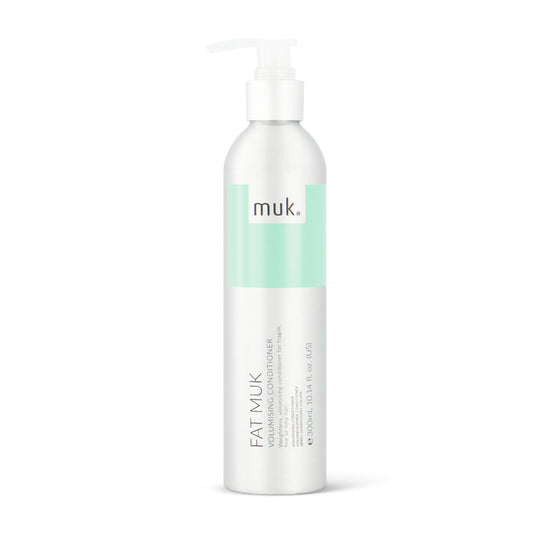
Muk Fat Muk Volumising Conditioner 300ml
Regular price $12.00Sale price $12.00 Regular priceUnit price per$29.95Sale -
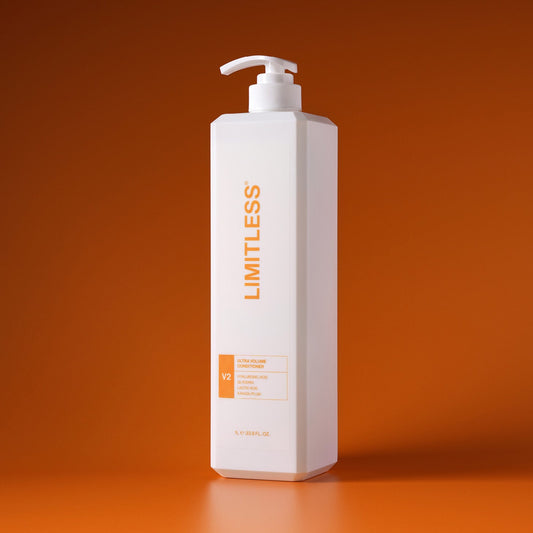
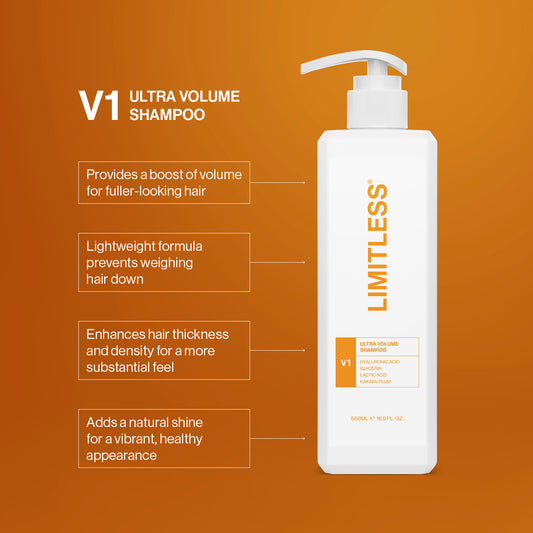
Limitless V2 Ultra Volume Conditioner 500ml
Regular price $24.95Sale price $24.95 Regular priceUnit price per$24.95 -
Limitless V2 Ultra Volume Conditioner 1L
Regular price $39.95Sale price $39.95 Regular priceUnit price per$39.95 -
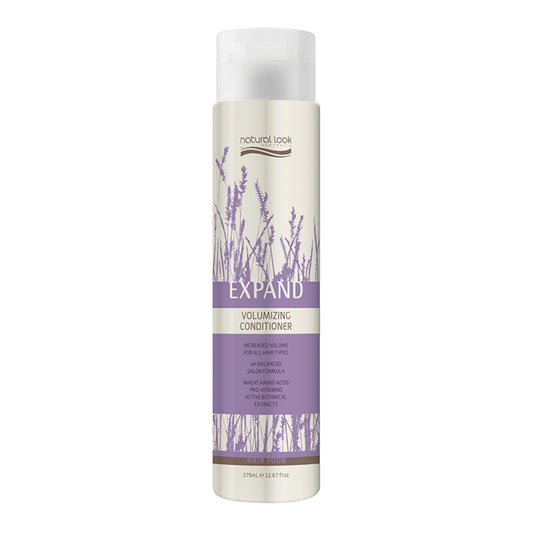
Natural Look Expand Volumizing Conditioner 1L
Regular price $26.96Sale price $26.96 Regular priceUnit price per$29.95Sale -
Natural Look Expand Volumizing Conditioner 300ml
Regular price $16.16Sale price $16.16 Regular priceUnit price per$17.95Sale -
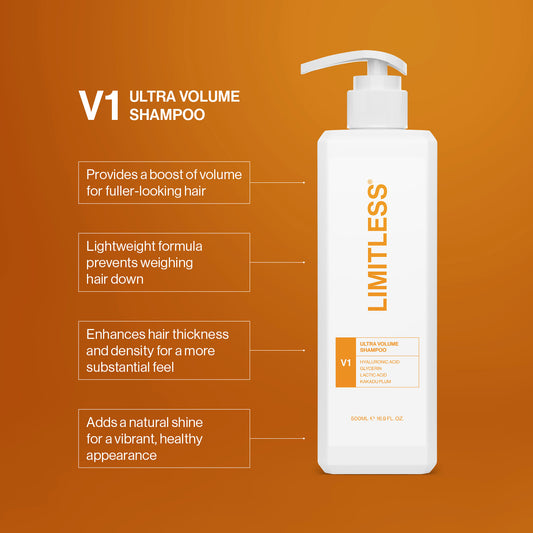
Limitless Volume Boost Bundle
Regular price $145.95Sale price $145.95 Regular priceUnit price per$171.70Sale -
Limitless Oily Hair & Scalp Bundle
Regular price $123.95Sale price $123.95 Regular priceUnit price per$146.75Sale -
Pureology Pure Volume Conditioner 266ml
Regular price $55.35Sale price $55.35 Regular priceUnit price per$71.96Sale -
Pureology Pure Volume Conditioner 1L
Regular price $118.15Sale price $118.15 Regular priceUnit price per$153.60Sale -
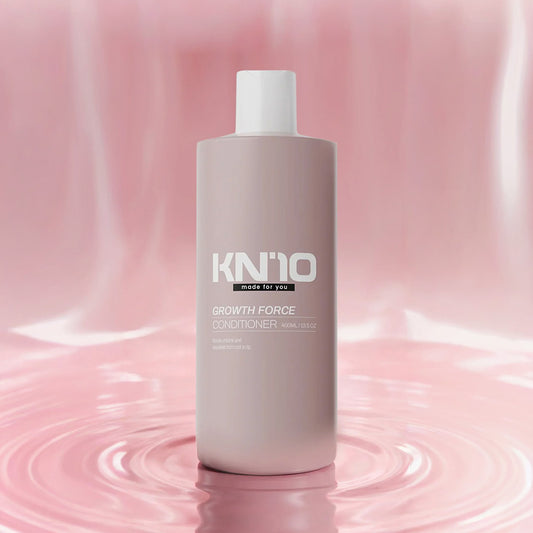
KN10 Growth Force Conditioner 400ml
Regular price $39.95Sale price $39.95 Regular priceUnit price per$51.94Sale -
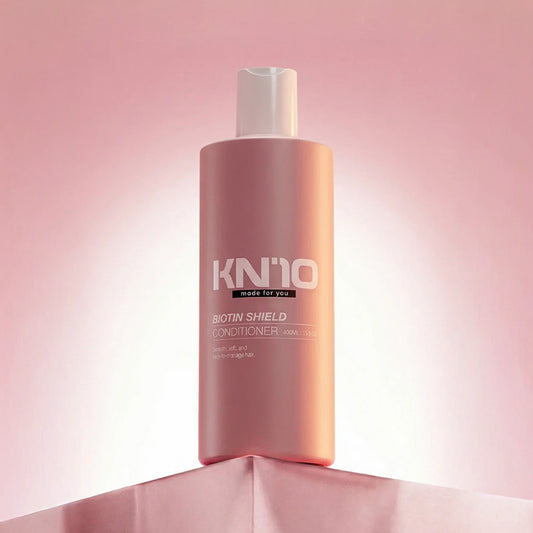
KN10 Biotin Shield Conditioner 400ml
Regular price $39.95Sale price $39.95 Regular priceUnit price per$51.94Sale -
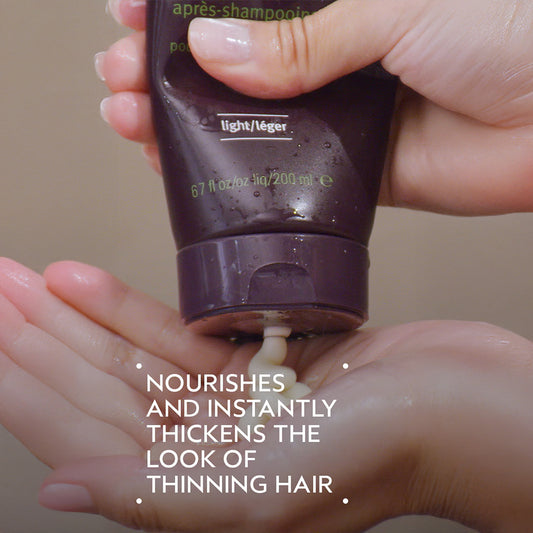
Aveda Invati Ultra Advanced Thickening Conditioner Light 200ml
Regular price $66.95Sale price $66.95 Regular priceUnit price per$80.34Sale -
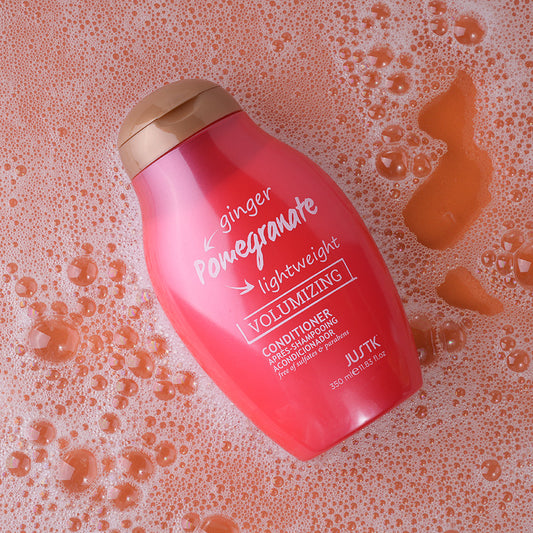
JUSTK Pomegranate Volumizing Conditioner 350ml
Regular price $2.00Sale price $2.00 Regular priceUnit price per$29.95Sold out -
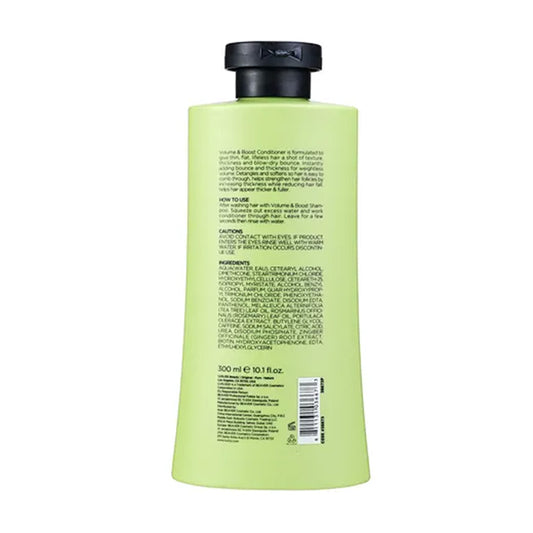
Luxliss Volume & Boost Conditioner 300ml
Regular price $5.95Sale price $5.95 Regular priceUnit price per$7.74Sold out -
Aveda Invati Ultra Advanced Thickening Conditioner 1000ml
Regular price $225.00Sale price $225.00 Regular priceUnit price per$270.00Sold out -
Aveda Pure Abundance Volumizing Clay Conditioner 200ml
Regular price $49.95Sale price $49.95 Regular priceUnit price per$59.94Sold out
















Your Questions Answered
You can use it, but it probably isn't the right call. The formula is designed for fine hair that tends to collapse easily. Thick hair needs more moisture, not less. On thick hair, a volume formula tends to leave strands dry or tangly because the emollients aren't in the mix. A lightweight hydrating conditioner is a better fit.
The dose or dwell time is likely too low. Volume formulas carry fewer slip agents than moisturising ones by design, since slip adds weight. If tangling is a problem, increase from a 10-cent piece to a 15-cent piece, or extend the dwell time from 60 to 90 seconds.
Yes, on human hair extensions, it works well. Volume formulas won't weigh extensions down or cause excessive slip. Apply only to mid-lengths and ends, avoid the bonds or wefts, and rinse thoroughly. Synthetic extensions don't absorb conditioner the same way, so this advice applies only to human hair.
The most common culprit is the shampoo. A heavy moisturising shampoo flattens hair before the conditioner gets a chance, so switching to a volumising shampoo often makes the biggest difference. After that, check that you're keeping the product off the roots and finishin


