


-
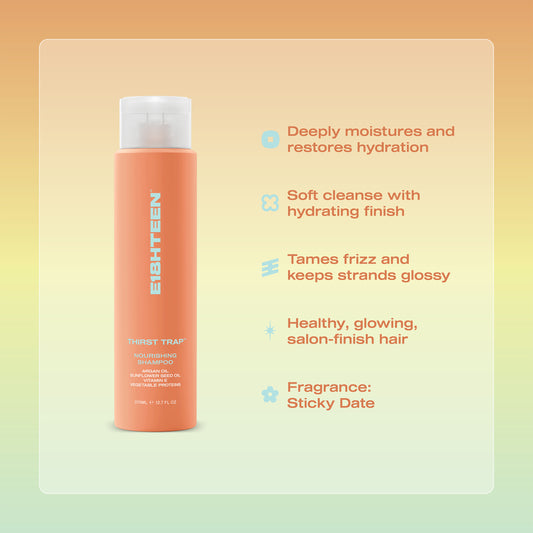
E18HTEEN Thirst Trap Shampoo 375ml
Regular price $9.95Sale price $9.95 Regular priceUnit price per$29.90Sale -
Natural Look Colourance Intense Violet Shampoo 250ml
Regular price $9.95Sale price $9.95 Regular priceUnit price per$17.70Sale -
Punky 3-In-1 Shampoo Tealistic 250ml
Regular price $29.17Sale price $29.17 Regular priceUnit price per$47.00Sale -
Punky 3-In-1 Shampoo Mochanificent 250ml
Regular price $29.17Sale price $29.17 Regular priceUnit price per$47.00Sale -
Punky 3-In-1 Shampoo Blondetastic 250ml
Regular price $29.17Sale price $29.17 Regular priceUnit price per$47.00Sale -
Punky 3-In-1 Shampoo Greengarious 250ml
Regular price $29.17Sale price $29.17 Regular priceUnit price per$47.00Sale -
Punky 3-In-1 Shampoo Coralustrous 250ml
Regular price $29.17Sale price $29.17 Regular priceUnit price per$47.00Sale -
12 Reasons Argan Oil Shampoo 400ml
Regular price $23.95Sale price $23.95 Regular priceUnit price per$29.95Sale -
12 Reasons Marula Oil Shampoo 400ml
Regular price $23.95Sale price $23.95 Regular priceUnit price per$29.95Sale -
12 Reasons Keratin Shampoo 400ml
Regular price $23.95Sale price $23.95 Regular priceUnit price per$29.95Sale -
12 Reasons Marula Oil Shampoo 1L
Regular price $42.95Sale price $42.95 Regular priceUnit price per$59.95Sale -
12 Reasons Argan Oil Shampoo 1L
Regular price $42.95Sale price $42.95 Regular priceUnit price per$59.95Sale -
12 Reasons Keratin Shampoo 1L
Regular price $42.95Sale price $42.95 Regular priceUnit price per$59.95Sale -
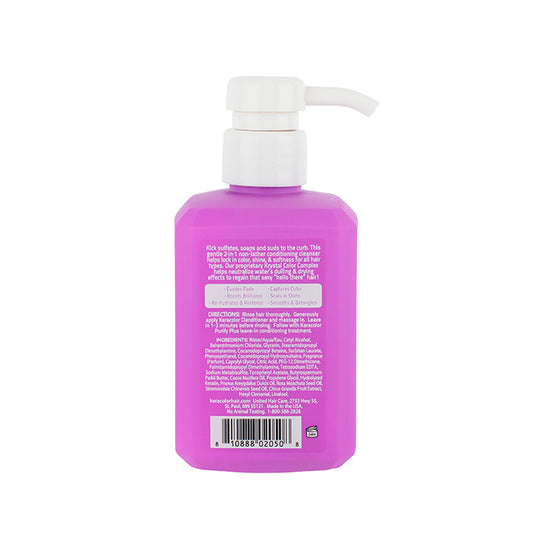
Keracolor Clenditioner Conditioning Shampoo 355ml
Regular price $20.88Sale price $20.88 Regular priceUnit price per$41.75Sale -
Muk Fat Muk Volumising Shampoo 300ml
Regular price $26.96Sale price $26.96 Regular priceUnit price per$29.95Sale -
Muk Head Muk Dandruff Shampoo 300ml
Regular price $26.96Sale price $26.96 Regular priceUnit price per$29.95Sale -
Muk Spa Argan Oil Repair Shampoo 300ml
Regular price $26.96Sale price $26.96 Regular priceUnit price per$29.95Sale -
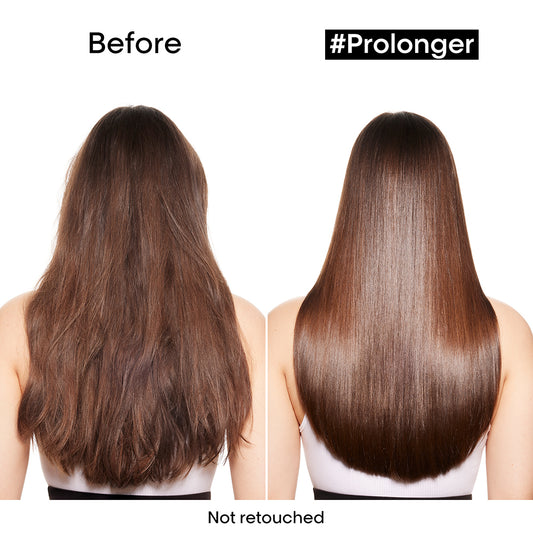
L'Oréal Professionnel Pro Longer Shampoo 1500mL
Regular price $66.95Sale price $66.95 Regular priceUnit price per$137.28Sale -
Olaplex No.4P Blonde Enhancer Toning Shampoo 250ml
Regular price $44.95Sale price $44.95 Regular priceUnit price per$60.00Sale -
BackBar Hydrate Shampoo 5L
Regular price $40.00Sale price $40.00 Regular priceUnit price per$69.90Sale -
BackBar Lanolin Shampoo 5L
Regular price $40.00Sale price $40.00 Regular priceUnit price per$69.90Sale -
BackBar Strawberry Shampoo 5L
Regular price $40.00Sale price $40.00 Regular priceUnit price per$69.90Sale -
BackBar Ultra Blonde Shampoo 5L
Regular price $40.00Sale price $40.00 Regular priceUnit price per$69.90Sale -
BackBar Colour Care Shampoo 5L
Regular price $40.00Sale price $40.00 Regular priceUnit price per$69.90Sale -
Natural Look Colourance Intense Copper Shampoo 250ml
Regular price $9.95Sale price $9.95 Regular priceUnit price per$17.70Sale -
Natural Look Colourance Intense Brown Shampoo 250ml
Regular price $9.95Sale price $9.95 Regular priceUnit price per$17.70Sale -
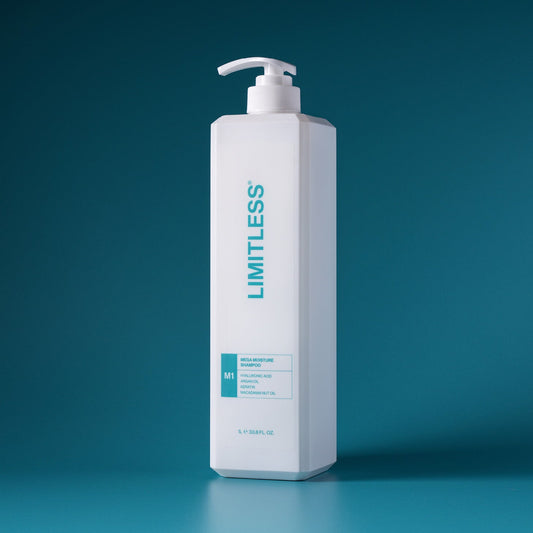
Limitless M1 Mega Moisture Shampoo 500ml
Regular price $24.95Sale price $24.95 Regular priceUnit price per$24.95 -
Limitless M1 Mega Moisture Shampoo 1L
Regular price $39.95Sale price $39.95 Regular priceUnit price per$39.95 -
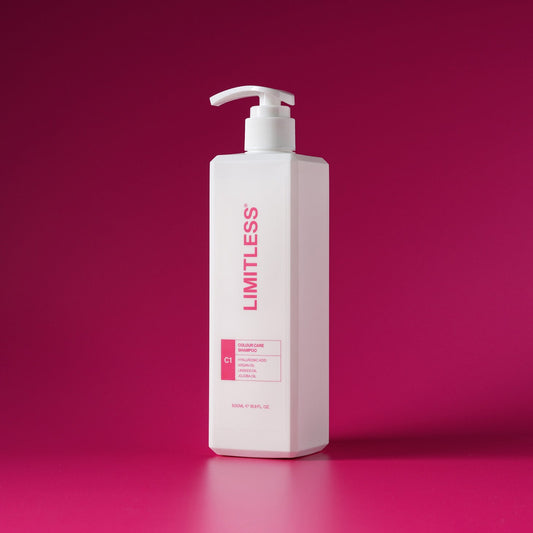
Limitless C1 Colour Care Shampoo 500ml
Regular price $24.95Sale price $24.95 Regular priceUnit price per$24.95 -
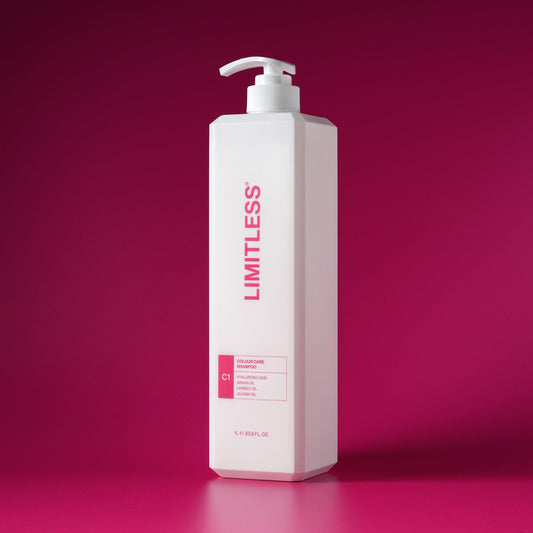
Limitless C1 Colour Care Shampoo 1L
Regular price $39.95Sale price $39.95 Regular priceUnit price per$39.95 -
Hi Lift Cureplex Shampoo 350ml
Regular price $15.95Sale price $15.95 Regular priceUnit price per$25.00Sale -
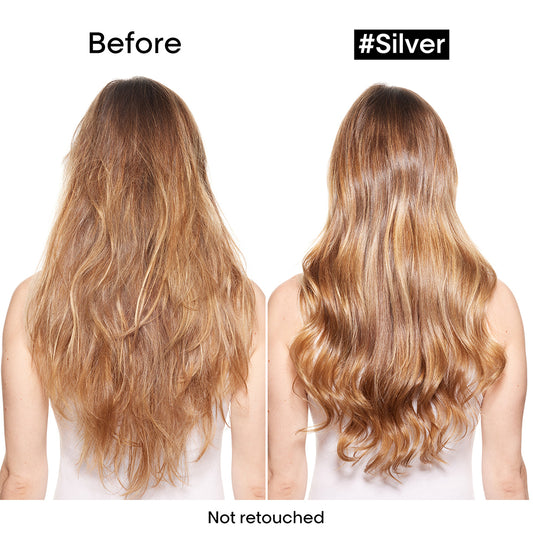
L'Oreal Professionnel Silver Shampoo 1500ml
Regular price $66.95Sale price $66.95 Regular priceUnit price per$137.28Sale -
Natural Look Colourance Fire Red Shampoo 250ml
Regular price $9.95Sale price $9.95 Regular priceUnit price per$17.70Sale -
Natural Look Colourance Violet Red Shampoo 250ml
Regular price $9.95Sale price $9.95 Regular priceUnit price per$17.70Sale -
Natural Look Colourance Rich Chocolate Shampoo 250ml
Regular price $9.95Sale price $9.95 Regular priceUnit price per$17.70Sale -
Natural Look Colourance Beige Blonde Shampoo 250ml
Regular price $9.95Sale price $9.95 Regular priceUnit price per$17.70Sale -
Natural Look Colourance Cool Chocolate Shampoo 250ml
Regular price $9.95Sale price $9.95 Regular priceUnit price per$17.70Sale -
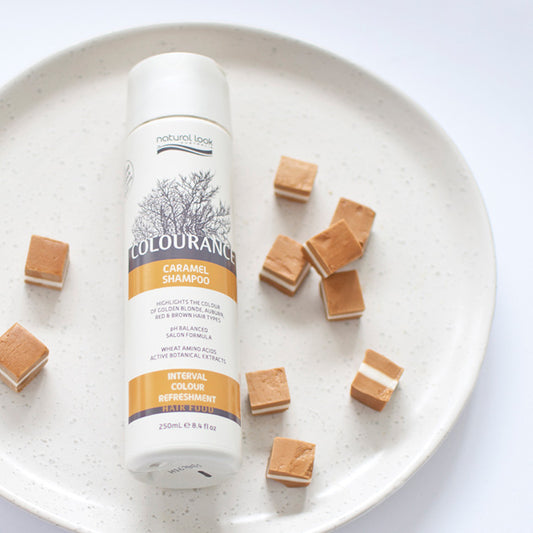
Natural Look Colourance Caramel Shampoo 250ml
Regular price $9.95Sale price $9.95 Regular priceUnit price per$17.70Sale -
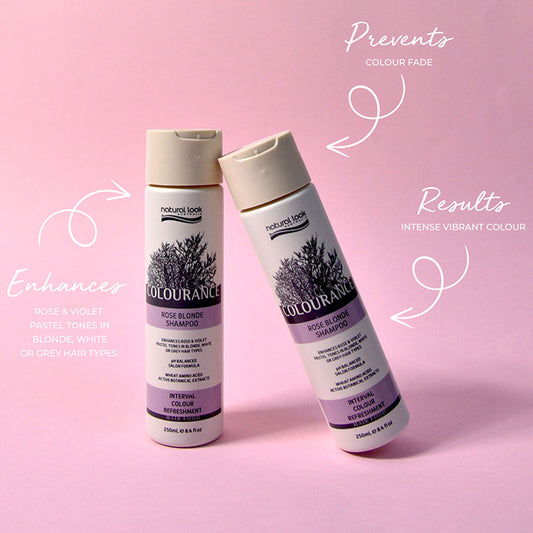
Natural Look Colourance Rose Blonde Shampoo 250ml
Regular price $9.95Sale price $9.95 Regular priceUnit price per$17.70Sale -
E18HTEEN Thirst Trap Nourishing Shampoo 1L
Regular price $14.95Sale price $14.95 Regular priceUnit price per$39.95Sale


















Your Questions Answered
Regular shampoo cleans. Colour shampoo either adds pigment back (a colour-depositing shampoo) or uses gentler surfactants so it doesn't strip dye out (a colour-protecting shampoo that Australia's salons rely on for aftercare). Most everyday retail shampoos use stronger detergents that fade dyed hair quickly, especially in the first two to three weeks after a service when the cuticle is still settling.
Yes, and that's exactly what they're built for. Two or three washes with a depositing shampoo will visibly refresh a fading tone and push the gap to your next appointment out by several weeks. It's why most Australian salons send clients home with one as part of aftercare.
Strong pigments, bright purples, blues, and reds can leave a faint mark on white tiles or porous towels if left to dry on the surface. Rinse the shower walls after use and stick to dark towels for the first few washes. Pigment lifts off skin easily with normal soap and warm water.
Often, but not always. Most colour-protect shampoos sold in Australia are sulphate-free or sulphate-light because sulphates accelerate fading. Always check the ingredient list, though. "For coloured hair" on the front of a bottle doesn't guarantee a sulphate-free formula on the back.
Yes, but only to tone it, not to fully cover it. Purple shampoo removes yellow or brassy tones to keep grey or white hair looking bright and cool. Blue shampoo helps if the grey hair has turned orange or rusty. These shampoos will not hide dark grey roots or fully cover white hair like a permanent dye would. For full coverage, you need a stronger product like a semi-permanent or permanent hair dye.
It's rarely permanent, but it can be stubborn. Very damaged or porous hair can hold onto deposited pigment for weeks or months after you stop, while healthy hair will shed it in 4 to 6 washes. A clarifying wash will speed the process up, but use it sparingly on coloured hair because it strips natural and artificial pigment in the same go.


