Dry Shampoo
When you're rushing out the door, heading to the gym, or stretching your wash an extra day, dry shampoo is the quick fix that buys you time. It's a powder or spray that absorbs oil and refreshes hair without water. It won't replace a proper wash, but it's a practical tool for extending your style.
Washing hair every day strips colour, dries out the lengths, and trains the scalp to produce more oil over time. Dry shampoo sits in the gap between wash days and gives you another 24 to 48 hours of fresh-looking hair without the wear of daily wet-cleansing. It also adds grip and volume before styling.
What to Pay Attention to in a Dry Shampoo
-
Start with the absorbent base. Rice starch, tapioca, and oat flour absorb oil without weighing hair down. Talc works faster but can feel drying on some scalps.
-
The delivery system matters as well. Choosing spray or powder affects speed, control, and how it feels on a sensitive scalp
-
Fragrance and residue are worth considering, too. Strong scents can clash with other products or be overwhelming in a salon setting. Dark-hair versions exist, but many professionals prefer a fine white powder that brushes out cleanly when applied properly.
Choosing Between Spray and Powder
Both formats absorb oil at the root, but they get there differently. Dry shampoo spray uses aerosol or pump propellants to quickly distribute a fine mist of starch across the roots. It covers more surface area in less time and suits at-home clients who want a fast result. The downside is that propellants add cost and can cause scalp sensitivity.
Dry shampoo powder comes in a shaker or loose jar. You apply it directly to the root, work it in with your fingers, and brush through. Powder generally gives you more product per dollar and a cleaner ingredient profile. The trade-off is that it takes longer to apply.
How to Use Dry Shampoo
Applying dry shampoo with the right technique makes the difference between a natural result and a white, chalky crown.
- Apply to dry hair before the oil has fully set in. Prevention works better than rescue. Section your hair first. Lift a two-inch strip at the crown, part at the temples, and again at the nape. Oil concentrates at the roots, not evenly across the head. Hold sprays six to eight inches from the scalp. For powders, tap a small amount directly onto the root zone of each section.
-
Let it sit for 30 to 60 seconds so the starch can bind to the oil. Massage in with your fingertips, not your nails, working the product down toward the mid-lengths. Brush through properly. Any white cast still visible means too much product was used or it wasn't spread evenly. Style as usual. Dry shampoo adds grip, so it also works well as a pre-styler before blow-drying or an updo.
How often: Two to three days between wet washes works well for most hair types. Using dry shampoo daily without any wet washing causes product and oil to build up at the root, leaving hair with a dull, coated texture. One to two applications between real washes is the intended use pattern.
Dry shampoo only works as well as the wash routine behind it, and our guide to the best shampoo and conditioner for every hair type covers the context most users miss.
Fine Hair, Oily Scalps and Post-Workout Refresh
Fine hair, oily scalps, and post-workout hair all call for slightly different approaches.
-
For fine hair that looks greasy by afternoon, a lightweight rice-starch spray applied mid-day, before the oil sets in, holds shape without weighing the lengths down. Pairing it with the right hair care for fine hair on wash days helps extend the time between cleanses.
-
For scalps that produce sebum within a few hours of washing, a stronger-absorbing powder applied at night can do its work while you sleep, so roots look fresher in the morning. The hair care for oily hair range covers the wet-wash side of that routine.
-
After exercise, blot the scalp with a towel first to remove moisture, then apply dry shampoo to absorb any remaining oil. Applying it to damp or sweaty hair turns the starch into a paste, which is difficult to brush out.
-
For coloured hair, powders or non-aerosol sprays are the better call. Aerosol can sometimes interact with fresh colour chemistry in the first 48 hours after a service. Pairing dry-shampoo days with proper hair care for coloured hair on wet-wash days helps the tone hold longer
When dry shampoo starts to feel like it's stopped working after extended use, product buildup at the root is almost always the cause. A fortnightly wash from the scalp care range resets the root area so the starch can reach the oil again. The guide on balancing dry ends with an oily scalp breaks down how to handle this issue day to day.
What Makes Salon-Quality Dry Shampoo Worth It?
What sets professional dry shampoos apart from standard retail options comes down to two things: starch particle size and residue engineering.
Salon-grade dry shampoos use ultra-fine milled starch that absorbs more oil and brushes out cleanly, without leaving a visible cast. Budget versions use larger particles that sit on top of the hair, which is especially noticeable on darker shades. The delivery system also plays a role. Professional sprays use finer misting systems for even coverage, avoiding the wet spots and patchy application that cheaper aerosols often produce. The result is a more natural finish that looks like properly clean hair.
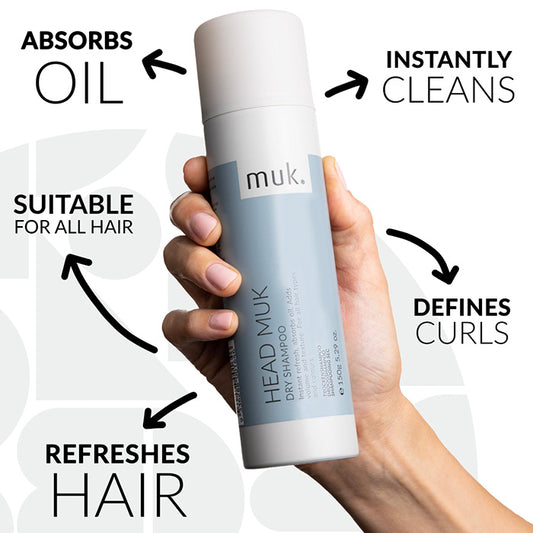
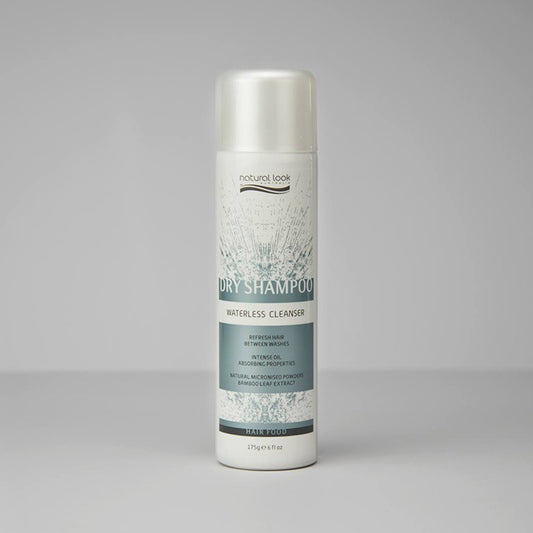
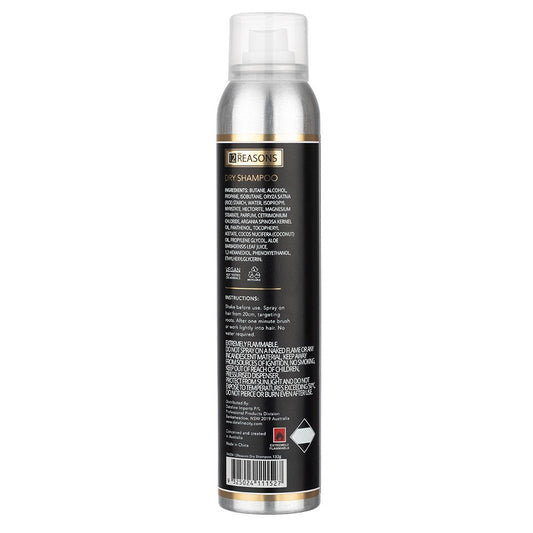
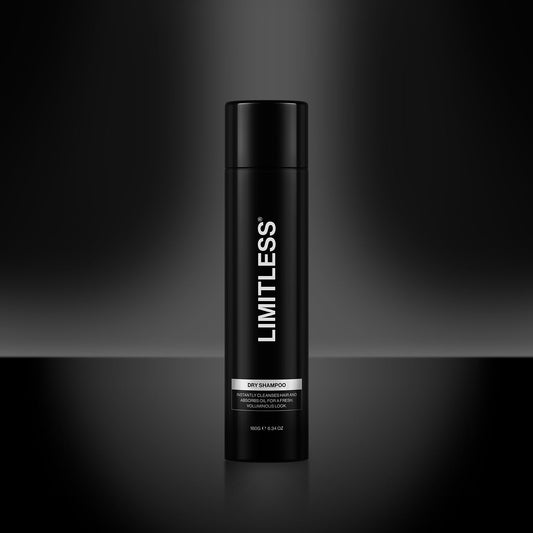
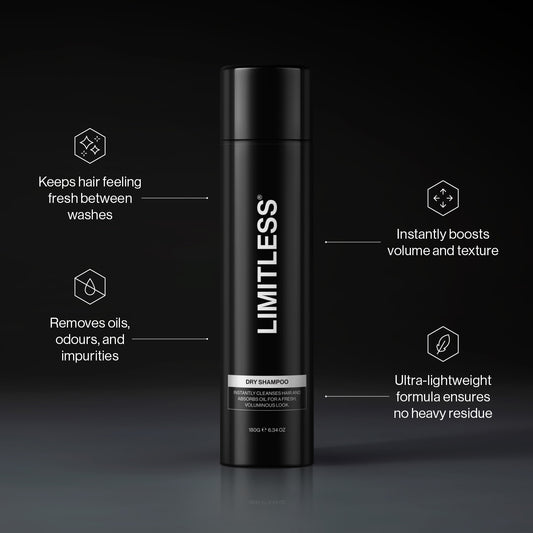
AMR carries salon-grade dry shampoos from Muk, Natural Look, 12 Reasons, Schwarzkopf, and Limitless. When it's time for a proper wash, the full shampoo range covers everything from oily and fine hair to coloured and curly hair.
Building the Full Between-Wash Routine
Dry shampoo works well as one part of a structured low-wash routine, not as a standalone fix.
-
Step 1 is a proper wet wash with a sulphate-free shampoo every three to four days.
-
Step 2 is dry shampoo on days 2 and 3 to extend the style and keep roots looking fresh.
-
Step 3 is a clarifying shampoo once a fortnight to lift the starch and oil residue that accumulates even with careful dry shampoo use.
-
Step 4 is a lightweight conditioner applied only on wet-wash days. Conditioner on a dry-shampoo day adds weight and undoes the volume the starch just created. If dry shampoo leaves hair feeling heavy or coated, try switching to a powder formula without propellants or added fragrance. See a professional if any reaction persists.