


-
Hi Lift Hair Fibres Black 25g
Regular price $15.95Sale price $15.95 Regular priceUnit price per$31.30Sale -
Hi Lift Hair Fibres Dark Brown 25g
Regular price $15.95Sale price $15.95 Regular priceUnit price per$31.30Sale -
Hi Lift Hair Fibres Light Brown 25g
Regular price $15.95Sale price $15.95 Regular priceUnit price per$31.30Sale -
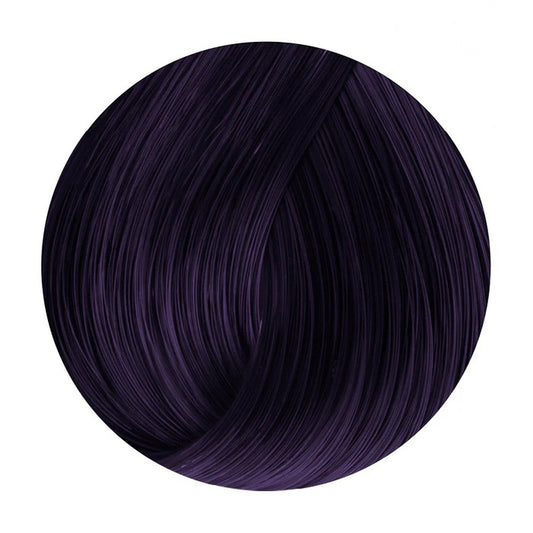
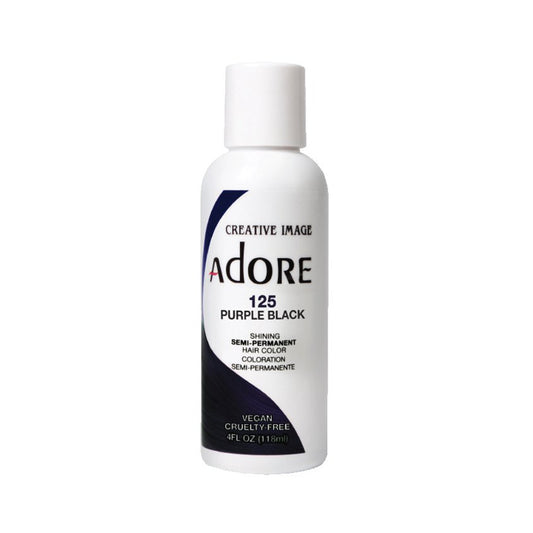
Adore Semi Permanent Hair Colour Purple Black 118ml
Regular price $15.95Sale price $15.95 Regular priceUnit price per$24.95Sale -
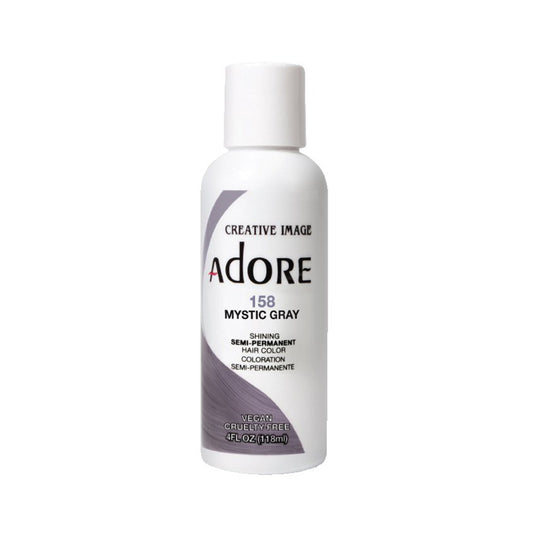
Adore Semi Permanent Hair Colour Mystic Gray 118ml
Regular price $15.95Sale price $15.95 Regular priceUnit price per$24.95Sale -
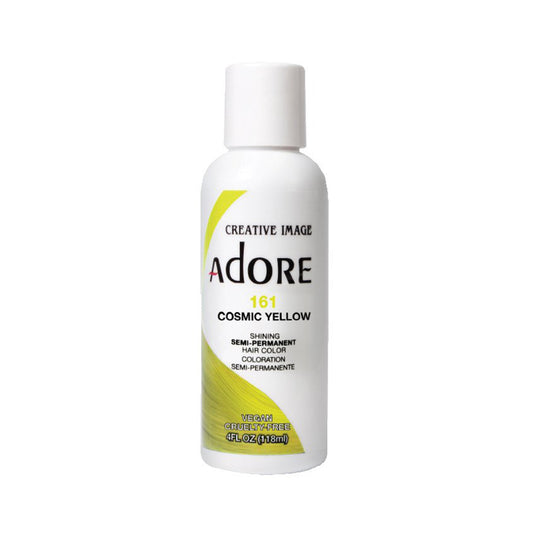
Adore Semi Permanent Hair Colour Cosmic Yellow 118ml
Regular price $15.95Sale price $15.95 Regular priceUnit price per$24.95Sale -
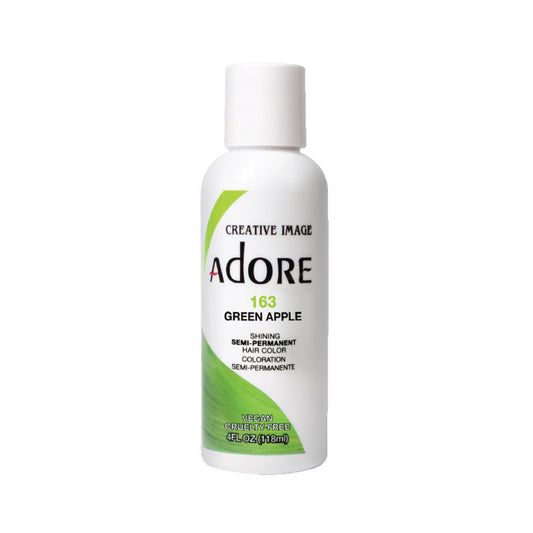
Adore Semi Permanent Hair Colour Green Apple 118ml
Regular price $15.95Sale price $15.95 Regular priceUnit price per$24.95Sale -
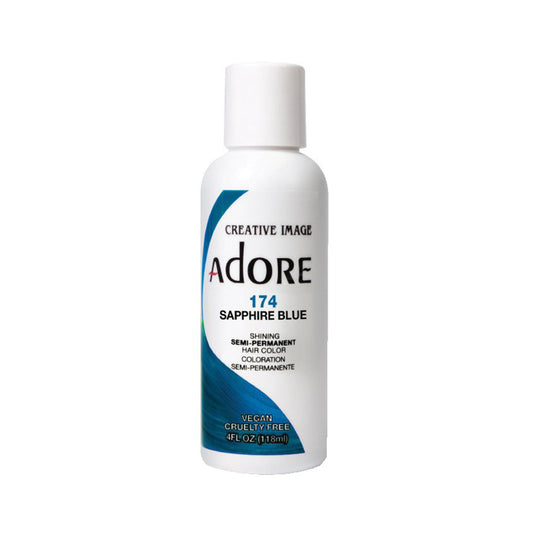
Adore Semi Permanent Hair Colour Sapphire Blue 118ml
Regular price $15.95Sale price $15.95 Regular priceUnit price per$24.95Sale -
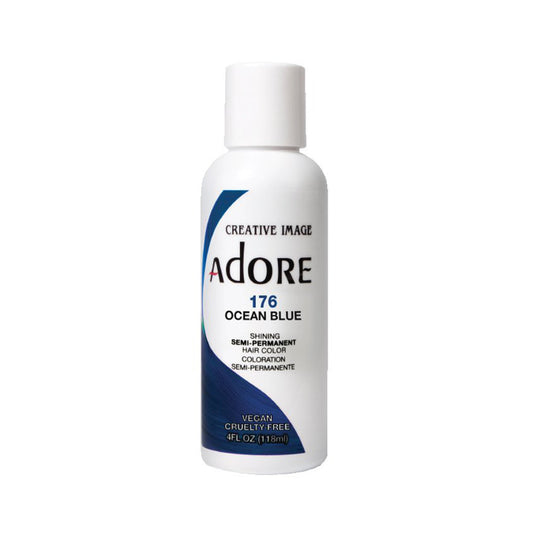
Adore Semi Permanent Hair Colour Ocean Blue 118ml
Regular price $15.95Sale price $15.95 Regular priceUnit price per$24.95Sale -
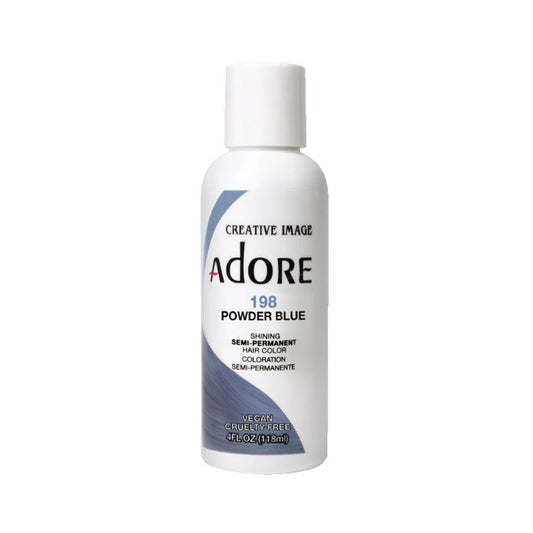
Adore Semi Permanent Hair Colour Powder Blue 118ml
Regular price $15.95Sale price $15.95 Regular priceUnit price per$24.95Sale -
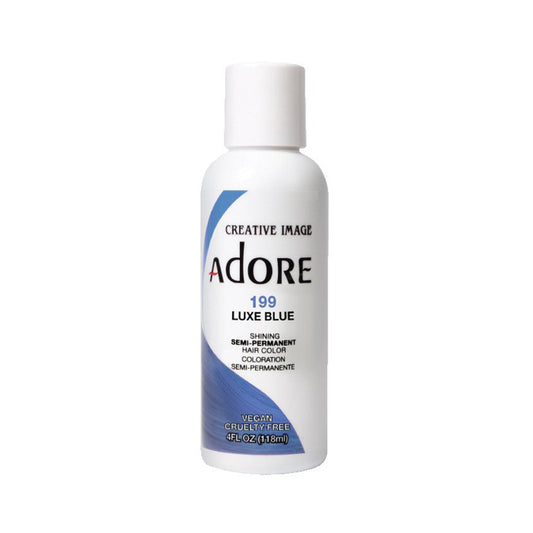
Adore Semi Permanent Hair Colour Luxe Blue 118ml
Regular price $15.95Sale price $15.95 Regular priceUnit price per$24.95Sale -
Punky Colour Semi Permanent Pastel Shade Adjustor 100ml
Regular price $20.81Sale price $20.81 Regular priceUnit price per$31.25Sale -
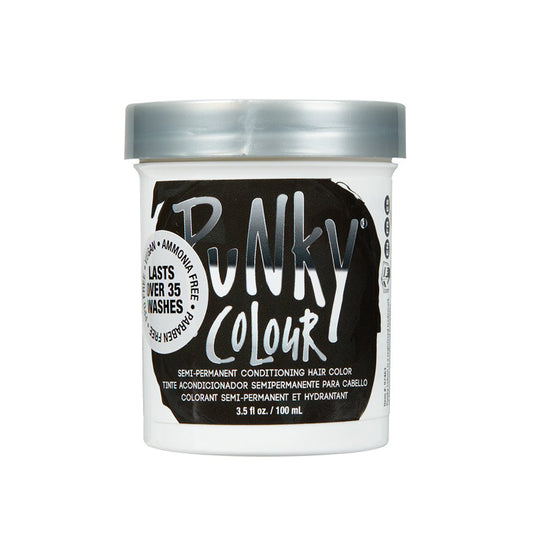
Punky Colour Semi Permanent Ebony 1408 100ml
Regular price $20.81Sale price $20.81 Regular priceUnit price per$31.25Sale -
Punky Colour Semi Permanent Fire 1410 100ml
Regular price $20.81Sale price $20.81 Regular priceUnit price per$31.25Sale -
Punky Colour Semi Permanent Violet 1428 100ml
Regular price $20.81Sale price $20.81 Regular priceUnit price per$31.25Sale -
Punky Colour Semi Permanent Lagoon Blue 1434 100ml
Regular price $20.81Sale price $20.81 Regular priceUnit price per$31.25Sale -
Punky Colour Semi Permanent Spring Green 1438 100ml
Regular price $20.81Sale price $20.81 Regular priceUnit price per$31.25Sale -
Punky Colour Semi Permanent Bright Yellow 1450 100ml
Regular price $20.81Sale price $20.81 Regular priceUnit price per$31.25Sale -
Milk Shake Colour Whipped Cream Light Red 100ml
Regular price $5.00Sale price $5.00 Regular priceUnit price per$26.55Sale -
Milk Shake Colour Whipped Cream Golden Blonde 100ml
Regular price $5.00Sale price $5.00 Regular priceUnit price per$26.55Sale -
Milk Shake Colour Whipped Cream Light Blue 100ml
Regular price $5.00Sale price $5.00 Regular priceUnit price per$26.55Sale -
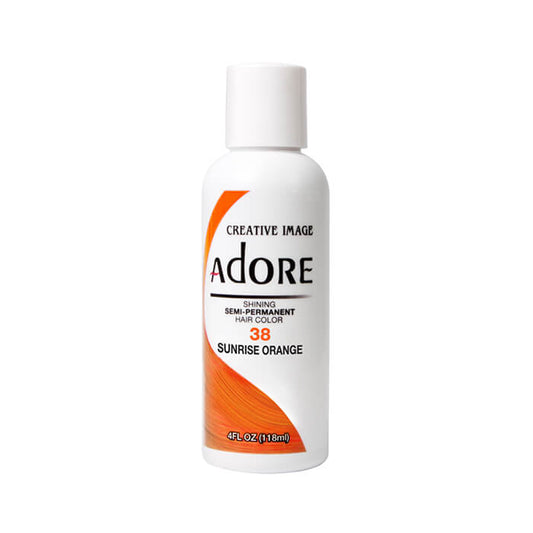
Adore Semi Permanent Hair Colour Sunrise Orange 118ml
Regular price $15.95Sale price $15.95 Regular priceUnit price per$24.95Sale -
Adore Semi Permanent Hair Colour Ruby Red 118ml
Regular price $15.95Sale price $15.95 Regular priceUnit price per$24.95Sale -
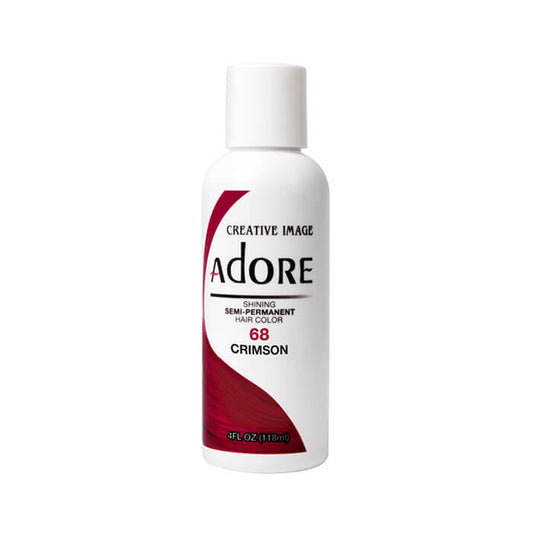
Adore Semi Permanent Hair Colour Crimson 118ml
Regular price $15.95Sale price $15.95 Regular priceUnit price per$24.95Sale -
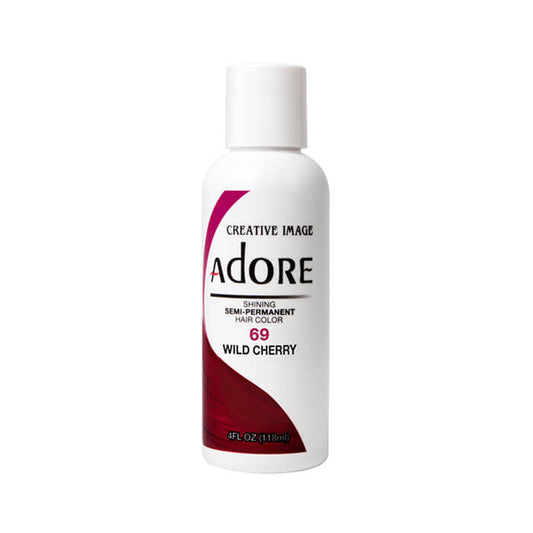
Adore Semi Permanent Hair Colour Wild Cherry 118ml
Regular price $15.95Sale price $15.95 Regular priceUnit price per$24.95Sale -
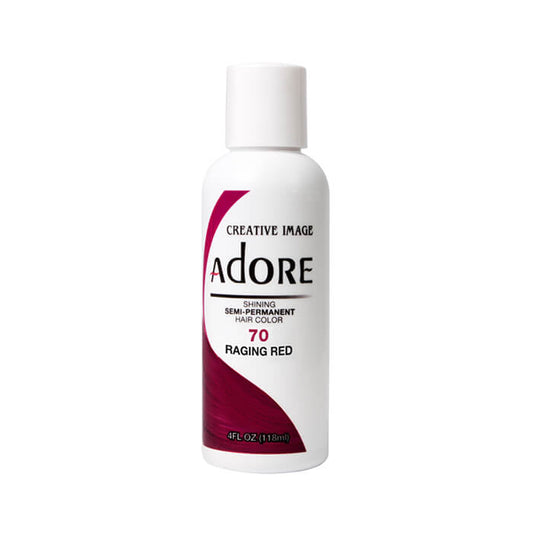
Adore Semi Permanent Hair Colour Raging Red 118ml
Regular price $15.95Sale price $15.95 Regular priceUnit price per$24.95Sale -
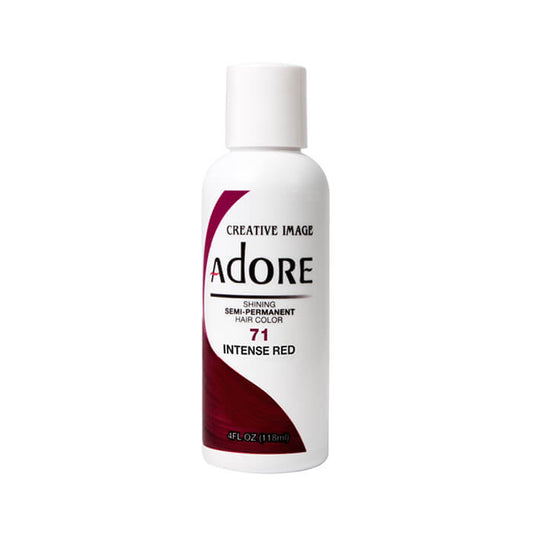
Adore Semi Permanent Hair Colour Intense Red 118ml
Regular price $15.95Sale price $15.95 Regular priceUnit price per$24.95Sale -
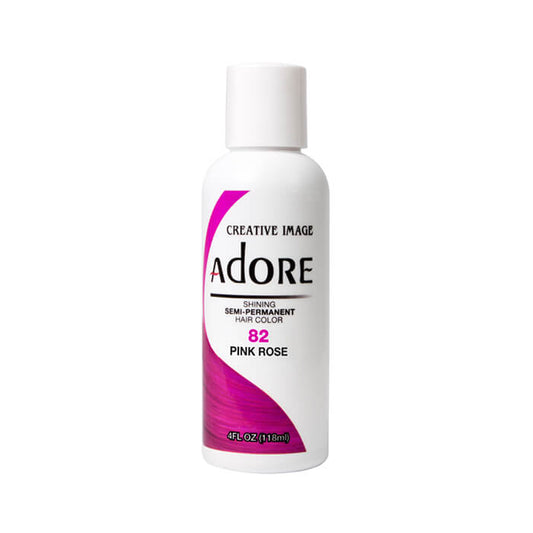
Adore Semi Permanent Hair Colour Pink Rose 118ml
Regular price $15.95Sale price $15.95 Regular priceUnit price per$24.95Sale -
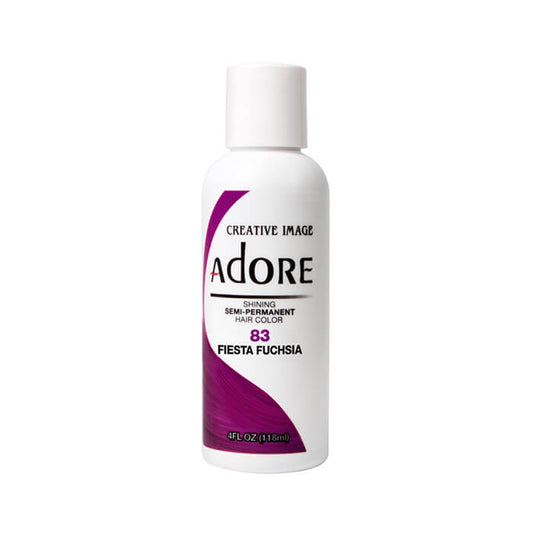
Adore Semi Permanent Hair Colour Fiesta Fuchsia 118ml
Regular price $15.95Sale price $15.95 Regular priceUnit price per$24.95Sale -
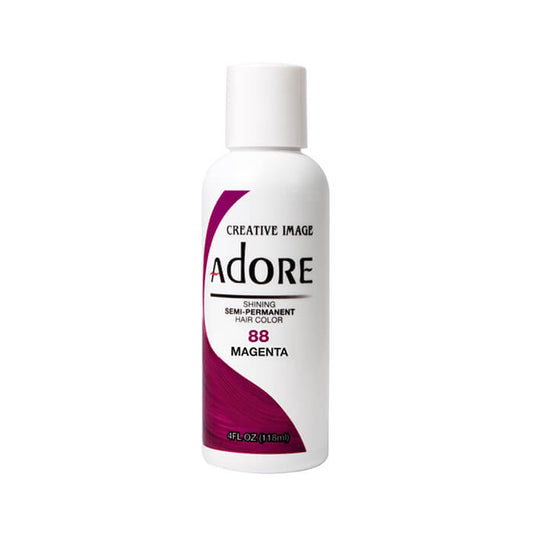
Adore Semi Permanent Hair Colour Magenta 118ml
Regular price $15.95Sale price $15.95 Regular priceUnit price per$24.95Sale -
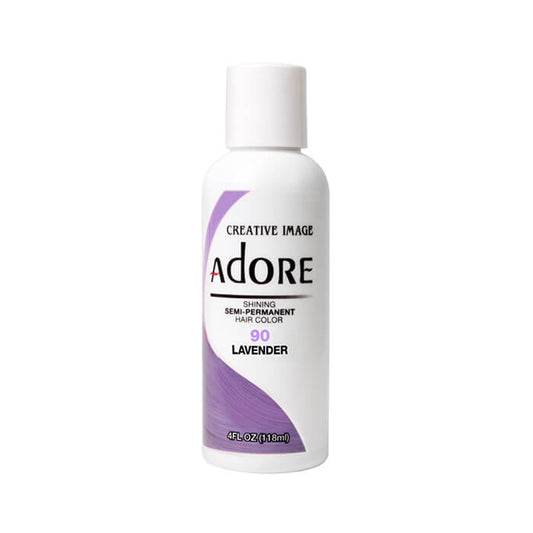
Adore Semi Permanent Hair Colour Lavender 118ml
Regular price $15.95Sale price $15.95 Regular priceUnit price per$24.95Sale -
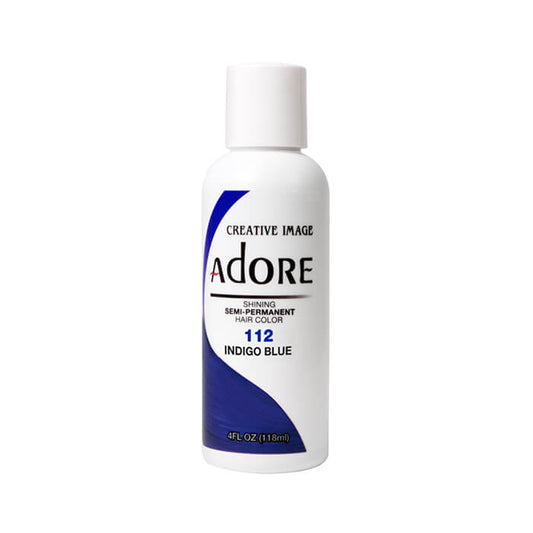
Adore Semi Permanent Hair Colour Indigo Blue 118ml
Regular price $15.95Sale price $15.95 Regular priceUnit price per$24.95Sale -
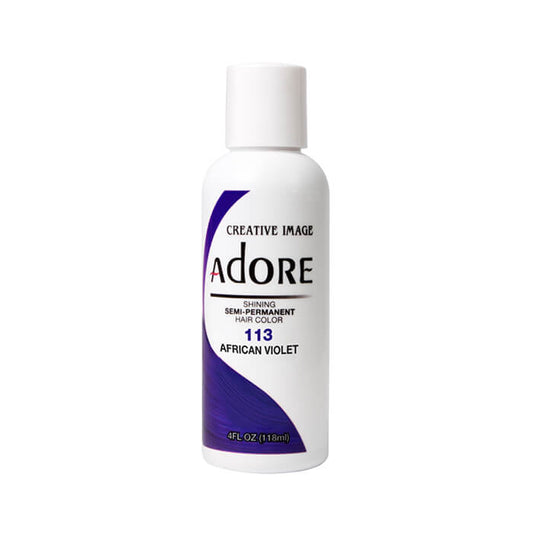
Adore Semi Permanent Hair Colour African Violet 118ml
Regular price $15.95Sale price $15.95 Regular priceUnit price per$24.95Sale -
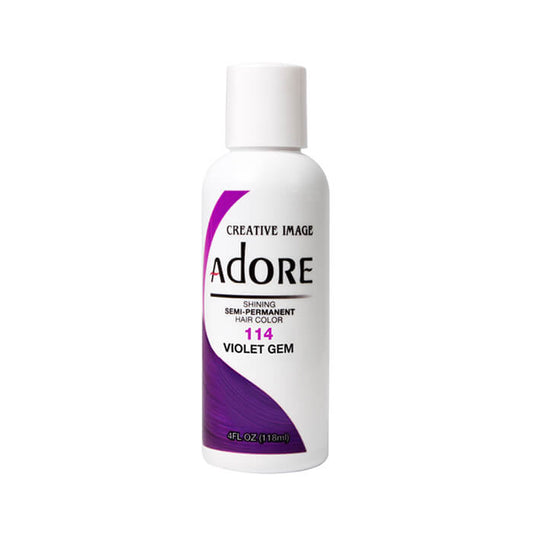
Adore Semi Permanent Hair Colour Violet Gem 118ml
Regular price $15.95Sale price $15.95 Regular priceUnit price per$24.95Sale -
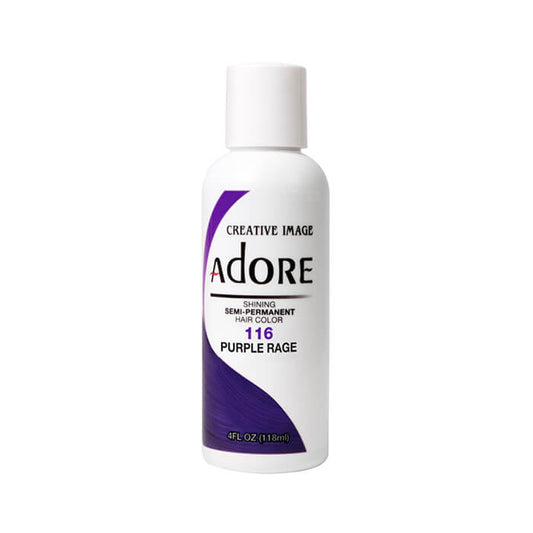
Adore Semi Permanent Hair Colour Purple Rage 118ml
Regular price $15.95Sale price $15.95 Regular priceUnit price per$24.95Sale -
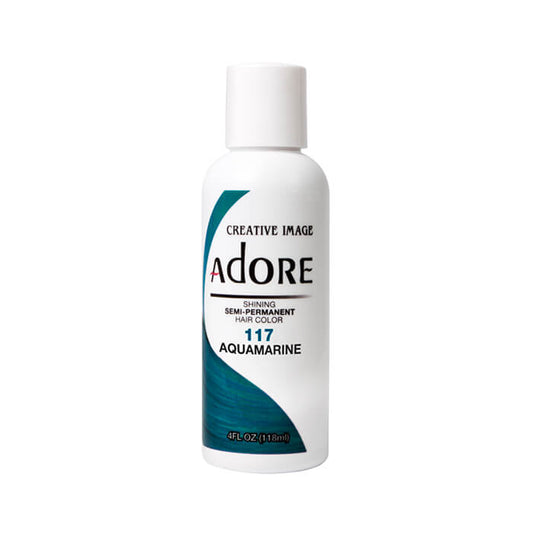
Adore Semi Permanent Hair Colour Aquamarine 118ml
Regular price $15.95Sale price $15.95 Regular priceUnit price per$24.95Sale -
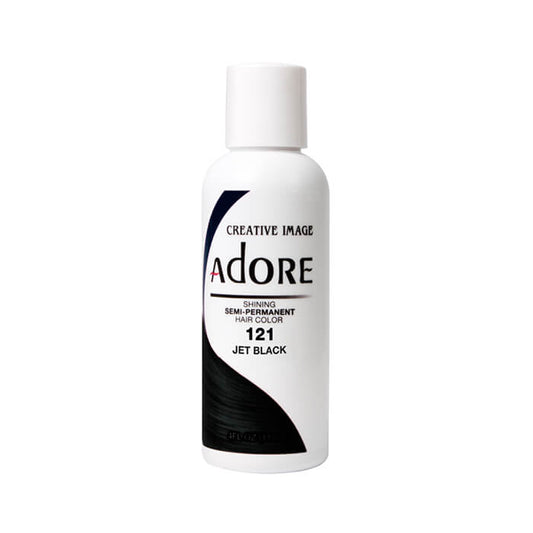
Adore Semi Permanent Hair Colour Jet Black 118ml
Regular price $15.95Sale price $15.95 Regular priceUnit price per$24.95Sale -
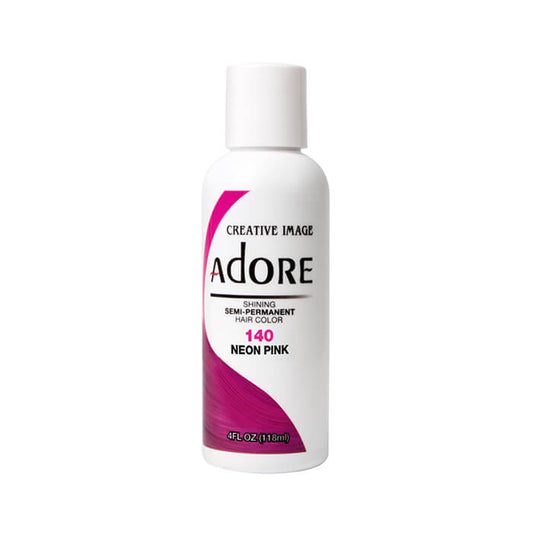
Adore Semi Permanent Hair Colour Neon Pink 118ml
Regular price $15.95Sale price $15.95 Regular priceUnit price per$24.95Sale -
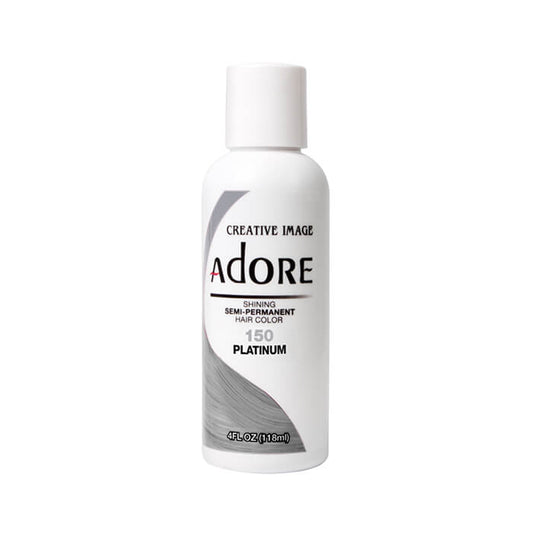
Adore Semi Permanent Hair Colour Platinum 118ml
Regular price $15.95Sale price $15.95 Regular priceUnit price per$24.95Sale -
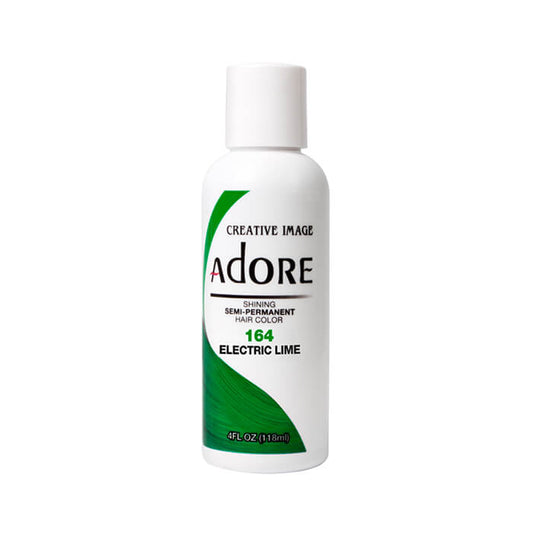
Adore Semi Permanent Hair Colour Electric Lime 118ml
Regular price $15.95Sale price $15.95 Regular priceUnit price per$24.95Sale

































Your Questions Answered
Yes, but it only adds tone on top; it will not lift or lighten what is there. On already dark hair a semi-shade may read subtly unless you pick a deeper or more intense tone.
For permanent colour, leave it for 48 to 72 hours before the first wash so the pigment settles into the hair. For semi-permanent, rinse as directed, but try to hold off washing for at least a day to get more life out of the colour.
Do not panic. A few washes with a clarifying shampoo will gently fade it. Hold off on a colour remover straight after colouring, since that is harsh on fresh colour, and see a colourist if you want a faster fix.
Carefully. A single all-over colour over highlights can go patchy. A semi- or demi-shade close to your base blends better, and a colourist is worth it if you want precision.


