


-
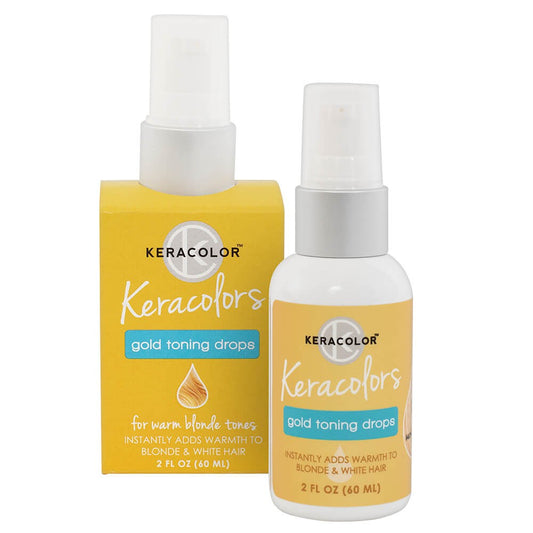
Keracolor Toning Drops Gold 60ml
Regular price $19.50Sale price $19.50 Regular priceUnit price per$39.00Sale -
Schwarzkopf BLONDME Pastel Toning Steel Blue 60ml
Regular price $24.95Sale price $24.95 Regular priceUnit price per$39.95Sale -
Schwarzkopf BLONDME Pastel Toning Lilac 60ml
Regular price $24.95Sale price $24.95 Regular priceUnit price per$39.95Sale -
Schwarzkopf BLONDME Pastel Toning Strawberry 60ml
Regular price $24.95Sale price $24.95 Regular priceUnit price per$39.95Sale -
Natural Look Silver Screen Ice Blonde Repair Serum 120ml
Regular price $25.16Sale price $25.16 Regular priceUnit price per$27.95Sale -
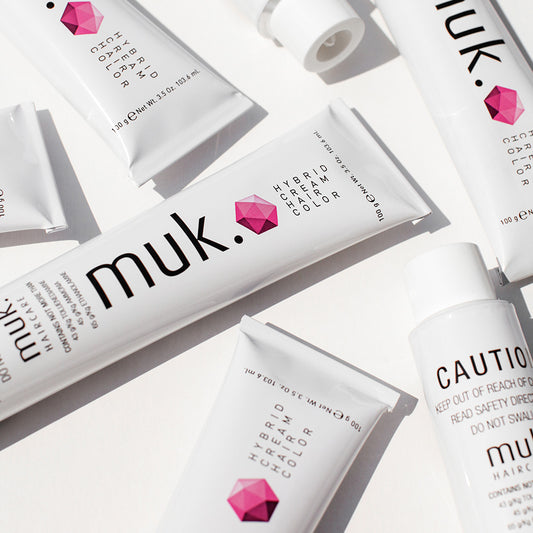
Muk Hybrid Colour 100ml
Regular price $5.00Sale price $5.00 Regular priceUnit price per$27.90Muk Hybrid Colour 100ml
Regular price $5.00Sale price $5.00 Regular priceUnit price per$27.90Muk Hybrid Colour 100ml
Regular price $5.00Sale price $5.00 Regular priceUnit price per$27.90Sale -
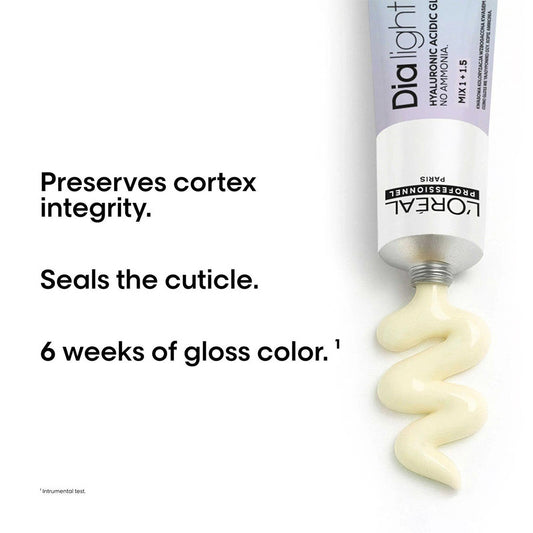
L'Oreal Professionnel Dia Light 60ml
Regular price $26.90Sale price $26.90 Regular priceUnit price per$34.97L'Oreal Professionnel Dia Light 60ml
Regular price $26.90Sale price $26.90 Regular priceUnit price per$34.97L'Oreal Professionnel Dia Light 60ml
Regular price $26.90Sale price $26.90 Regular priceUnit price per$34.97Sale -
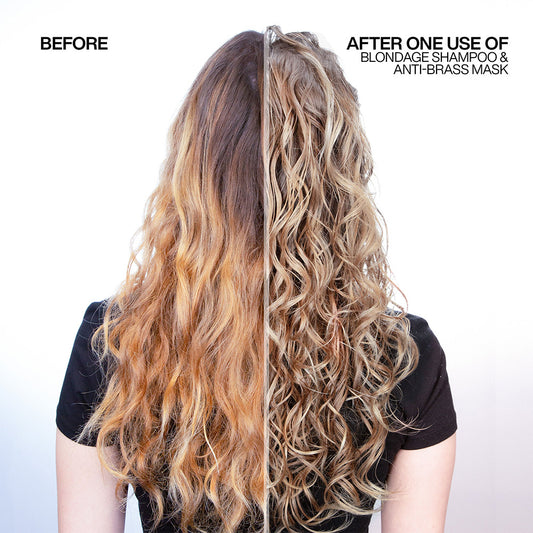
Redken Color Extend Blondage Express Anti-Brass Purple Hair Mask 250ml
Regular price $58.00Sale price $58.00 Regular priceUnit price per$75.40Sale -
L'Oreal Professionel Dia Color Demi Gloss 60ml
Regular price From $24.50Sale price From $24.50 Regular priceUnit price per$28.95L'Oreal Professionel Dia Color Demi Gloss 60ml
Regular price From $24.50Sale price From $24.50 Regular priceUnit price per$28.95L'Oreal Professionel Dia Color Demi Gloss 60ml
Regular price From $24.50Sale price From $24.50 Regular priceUnit price per$28.95Sale -
Schwarzkopf BLONDME Deep Toning Peach Sorbet 60ml
Regular price $24.95Sale price $24.95 Regular priceUnit price per$39.95Sale -
Schwarzkopf BLONDME Pastel Toning Biscuit 60ml
Regular price $24.95Sale price $24.95 Regular priceUnit price per$39.95Sale -
Schwarzkopf BLONDME Pastel Toning Clear 60ml
Regular price $24.95Sale price $24.95 Regular priceUnit price per$39.95Sale -
Schwarzkopf Professional BLONDME Bond Repair Purple Spray Conditioner 150ml
Regular price $34.45Sale price $34.45 Regular priceUnit price per -
Schwarzkopf Professional BLONDME Toning Drops Ice 30ml
Regular price $30.45Sale price $30.45 Regular priceUnit price per -
Schwarzkopf Professional BLONDME Bond Repair Purple Shampoo 300ml
Regular price $34.45Sale price $34.45 Regular priceUnit price per -
Schwarzkopf Professional BLONDME Bond Repair Purple Mask 200ml
Regular price $36.45Sale price $36.45 Regular priceUnit price per -
Schwarzkopf Professional BLONDME Bond Repair Purple Conditioner 250ml
Regular price $34.45Sale price $34.45 Regular priceUnit price per -
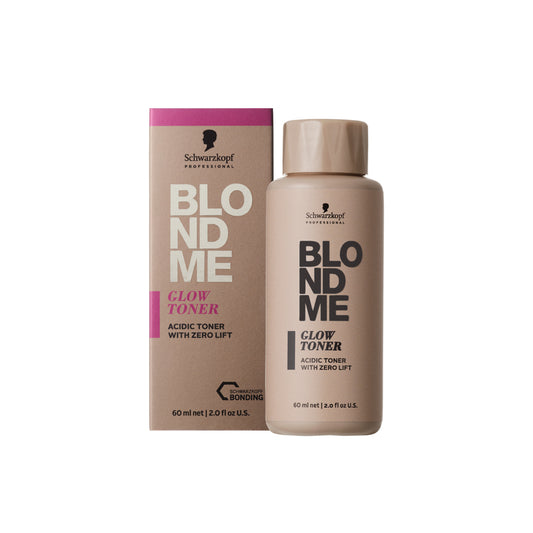
Schwarzkopf Professional BLONDME Glow Toner 60ml
Regular price $23.92Sale price $23.92 Regular priceUnit price perSchwarzkopf Professional BLONDME Glow Toner 60ml
Regular price $23.92Sale price $23.92 Regular priceUnit price perSchwarzkopf Professional BLONDME Glow Toner 60ml
Regular price $23.92Sale price $23.92 Regular priceUnit price per -
 Sold out
 -
Schwarzkopf BLONDME Pastel Toning Ice 60ml
Regular price $24.95Sale price $24.95 Regular priceUnit price per$39.95Sold out -
Schwarzkopf BLONDME Pastel Toning Sand 60ml
Regular price $24.95Sale price $24.95 Regular priceUnit price per$39.95Sold out -
Schwarzkopf BLONDME Toning Apricot 60ml
Regular price $19.95Sale price $19.95 Regular priceUnit price per$39.95Sale -
Schwarzkopf BLONDME Bond Enforcing Hi-lighting Warm Gold 60ml
Regular price $19.95Sale price $19.95 Regular priceUnit price per$30.50Sold out -
Schwarzkopf BLONDME Bond Enforcing Hi-lighting Cool Rose 60ml
Regular price $19.95Sale price $19.95 Regular priceUnit price per$30.50Sold out











Your Questions Answered
How often should I tone my hair?
It depends on your hair and the toner you use. Semi-permanent toners and purple shampoos can be used weekly to maintain tone, while demi-permanent and permanent toners usually last four to six weeks. If you notice warmth creeping back, it is time to tone again.
Can I tone my hair if it is damaged?
Yes, but choose a gentle option. Semi-permanent toners deposit colour without lifting, so they add no further stress to the hair, and acidic demi-permanent glosses like Dia Light are made for shine work rather than lift. Follow up with hair treatments after toning.
What if my toner turns my hair purple or grey?
That usually means the toner was left on too long, or it was applied to hair that was too porous to take it evenly. Wash with a clarifying shampoo a few times, and the excess pigment should fade. To avoid it next time, cut the processing time and check the result midway through.


