


-
NK Goldilocks Blooming Shampoo 400g
Regular price $24.95Sale price $24.95 Regular priceUnit price per$49.95Sale -
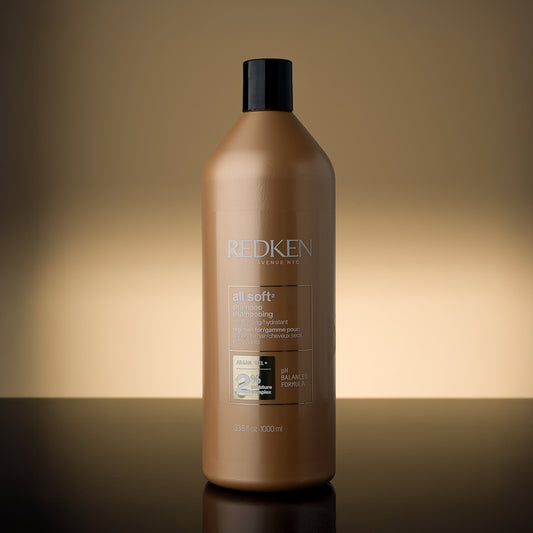
Redken All Soft Shampoo 1L
Regular price $59.95Sale price $59.95 Regular priceUnit price per$109.82Sale -
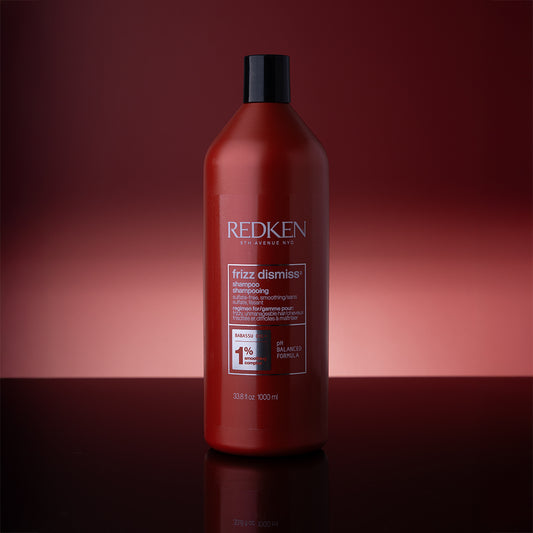
Redken Frizz Dismiss Shampoo 1L
Regular price $59.95Sale price $59.95 Regular priceUnit price per$122.50Sale -
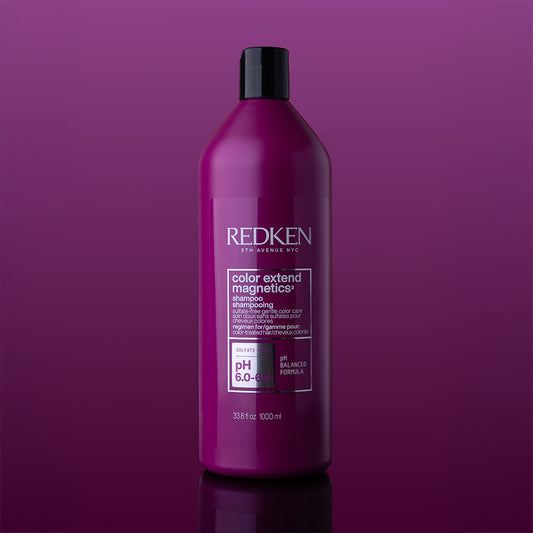
Redken Color Extend Magnetics Sulfate Free Shampoo 1L
Regular price $59.95Sale price $59.95 Regular priceUnit price per$109.82Sale -
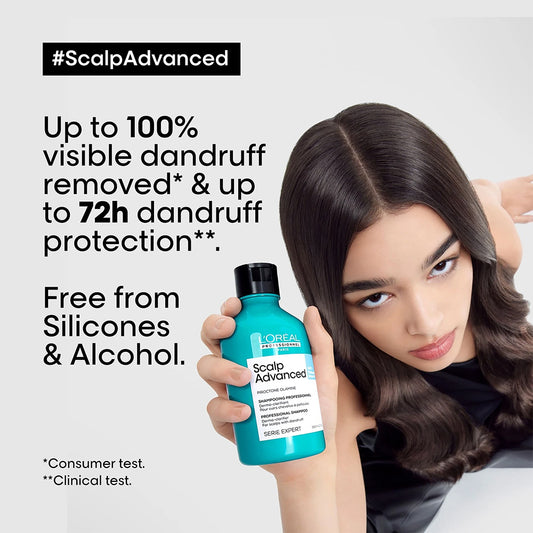
L'Oréal Professionnel Scalp Advanced Anti-Discomfort Shampoo 1500mL
Regular price $66.95Sale price $66.95 Regular priceUnit price per$103.10Sale -
Natural Look Intensive Hair Care Pack
Regular price $37.95Sale price $37.95 Regular priceUnit price per$44.95Sale -
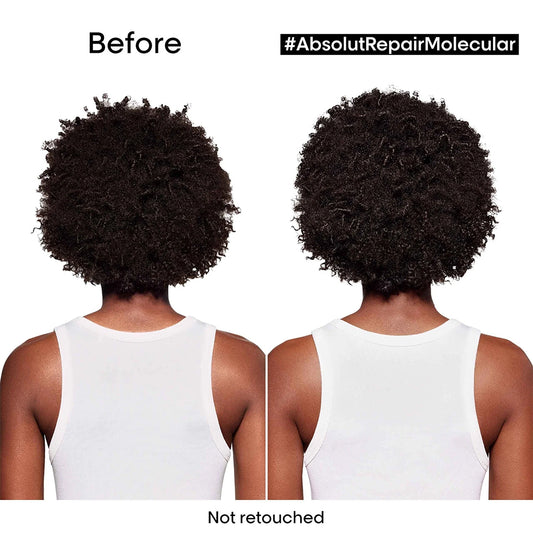
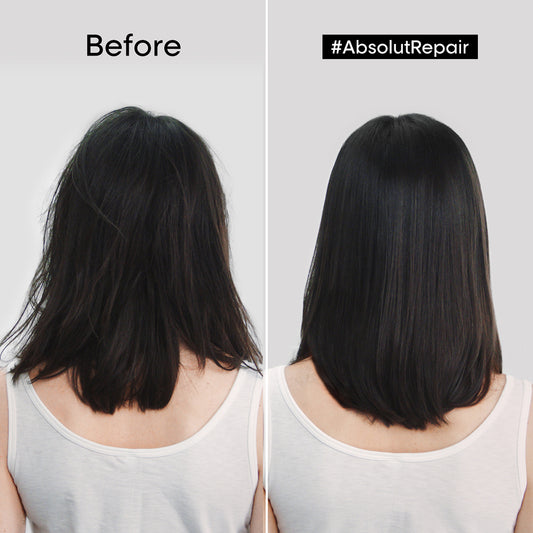
L'Oréal Professionnel Absolut Repair Molecular Shampoo 1500mL
Regular price $134.95Sale price $134.95 Regular priceUnit price per$253.44Sale -
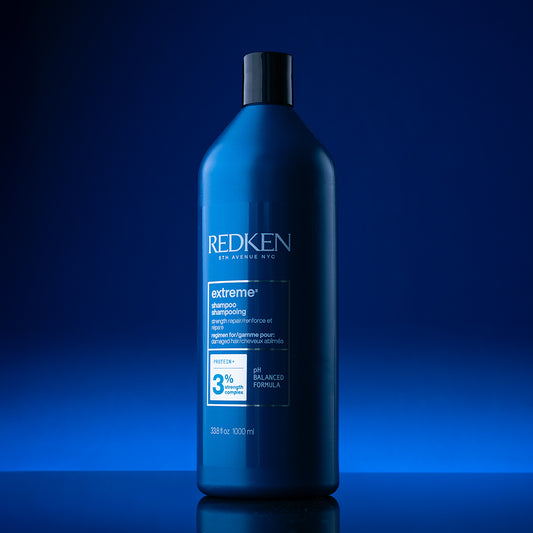
Redken Extreme Strengthening Shampoo 1L
Regular price $59.95Sale price $59.95 Regular priceUnit price per$109.82Sale -
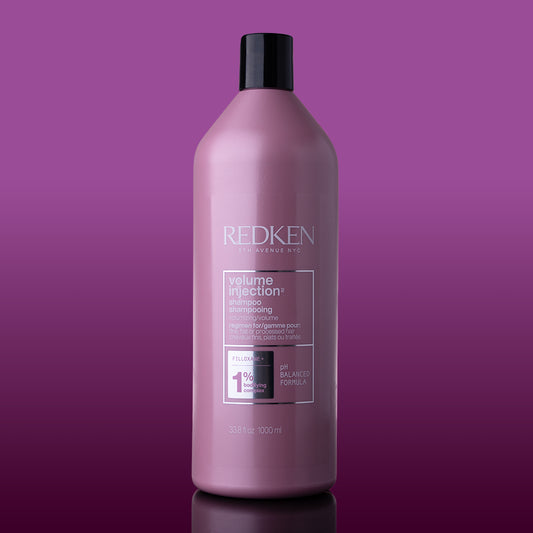
Redken Volume Injection Shampoo 1L
Regular price $59.95Sale price $59.95 Regular priceUnit price per$122.50Sale -
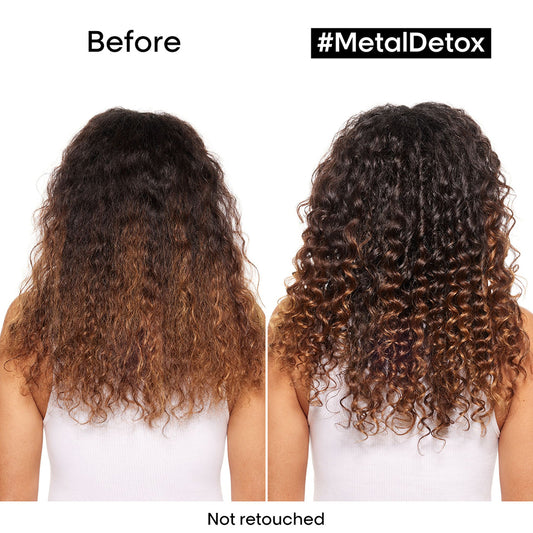
L'Oréal Professionnel Metal Detox Shampoo 1500mL
Regular price $134.95Sale price $134.95 Regular priceUnit price per$253.44Sale -
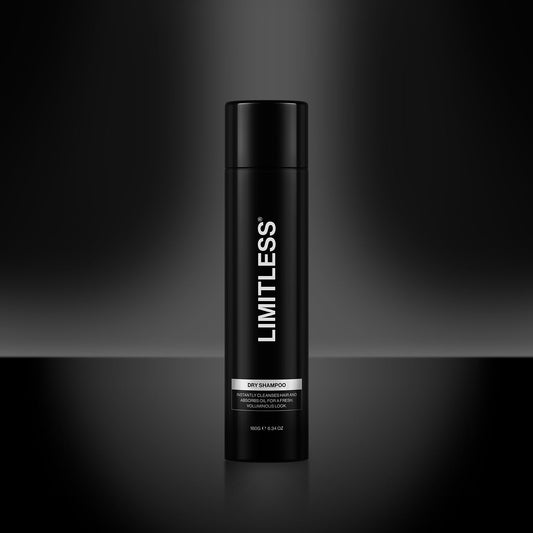
Limitless Dry Shampoo 180g
Regular price $24.95Sale price $24.95 Regular priceUnit price per$32.95Sale -
L'Oréal Professionnel Absolut Repair Shampoo 1500mL
Regular price $69.95Sale price $69.95 Regular priceUnit price per$137.28Sale -
Limitless R1 Reconstructive Repair Shampoo 100ml
Regular price $9.95Sale price $9.95 Regular priceUnit price per$14.95Sale -
L'Oréal Professionnel Advanced Anti-Oiliness Shampoo 1500mL
Regular price $66.95Sale price $66.95 Regular priceUnit price per$147.84Sale -
Limitless R2 Reconstructive Repair Conditioner 100ml
Regular price $9.95Sale price $9.95 Regular priceUnit price per$14.95Sale -
Natural Look Colourance Hair Care Pack
Regular price $36.95Sale price $36.95 Regular priceUnit price per$38.60Sale -
Limitless F1 Anti-Frizz Shampoo 100ml
Regular price $9.95Sale price $9.95 Regular priceUnit price per$14.95Sale -
Limitless C1 Colour Care Shampoo 100ml
Regular price $9.95Sale price $9.95 Regular priceUnit price per$14.95Sale -
Limitless M1 Mega Moisture Shampoo 100ml
Regular price $9.95Sale price $9.95 Regular priceUnit price per$14.95Sale -
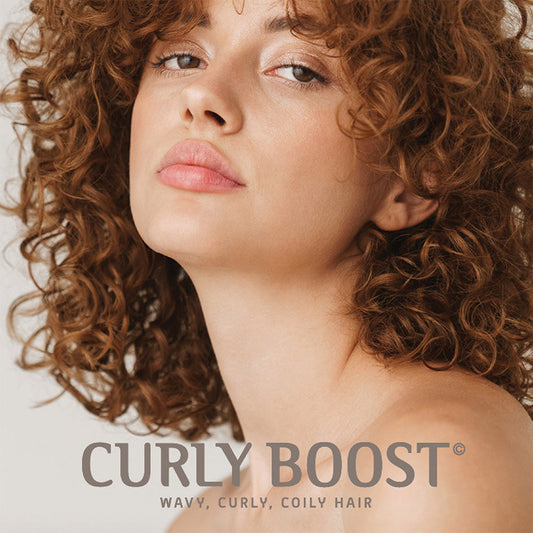
Natural Look Curly Boost Hydrating Shampoo 375ml
Regular price $9.95Sale price $9.95 Regular priceUnit price per$18.15Sale -
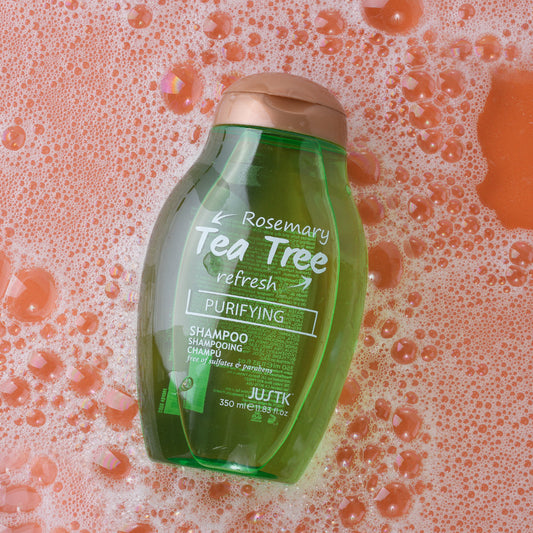
JUSTK Tea Tree Purifying Shampoo 350ml
Regular price $5.95Sale price $5.95 Regular priceUnit price per$29.95Sale -
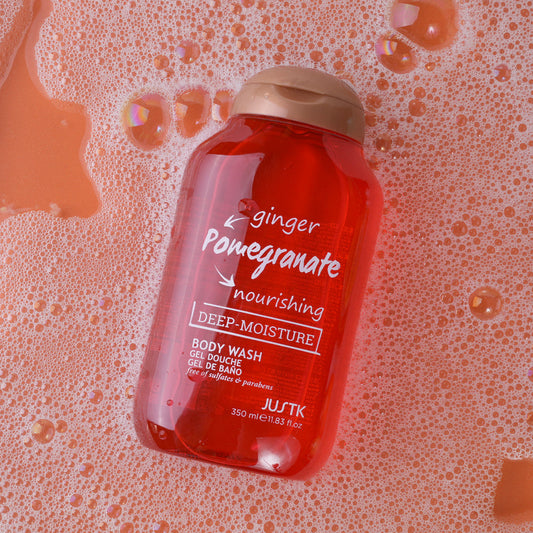
JUSTK Pomegranate Deep-Moisture Body Wash 350ml
Regular price $5.95Sale price $5.95 Regular priceUnit price per$24.95Sale -
JUSTK Argan Oil Brightening Shampoo 350ml
Regular price $5.95Sale price $5.95 Regular priceUnit price per$29.95Sale -
Luxliss Keratin Daily Care Shampoo 250ml
Regular price $19.98Sale price $19.98 Regular priceUnit price per$49.95Sale -
Luxliss Keratin Daily Care Shampoo 500ml
Regular price $35.98Sale price $35.98 Regular priceUnit price per$89.95Sale -
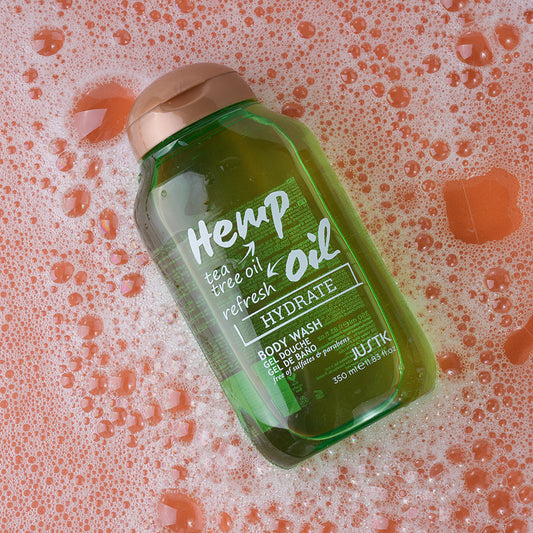
JUSTK Hemp Oil Hydrate Body Wash 350ml
Regular price $5.95Sale price $5.95 Regular priceUnit price per$24.95Sale -
JUSTK Pomegranate Volumizing Shampoo 350ml
Regular price $5.95Sale price $5.95 Regular priceUnit price per$29.95Sale -
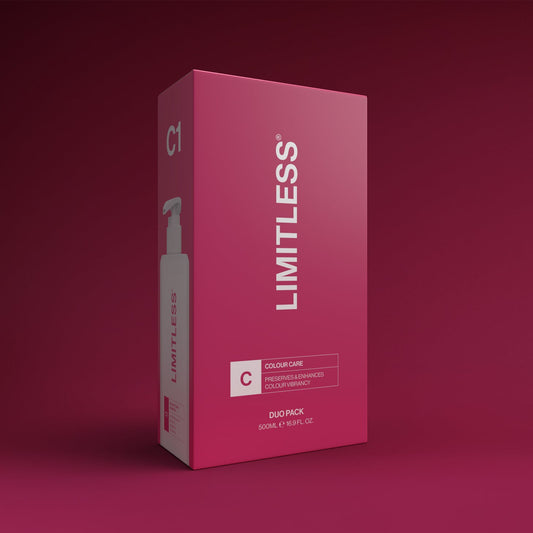
Limitless Colour Care Duo Pack 500ml
Regular price $45.00Sale price $45.00 Regular priceUnit price per$45.00 -
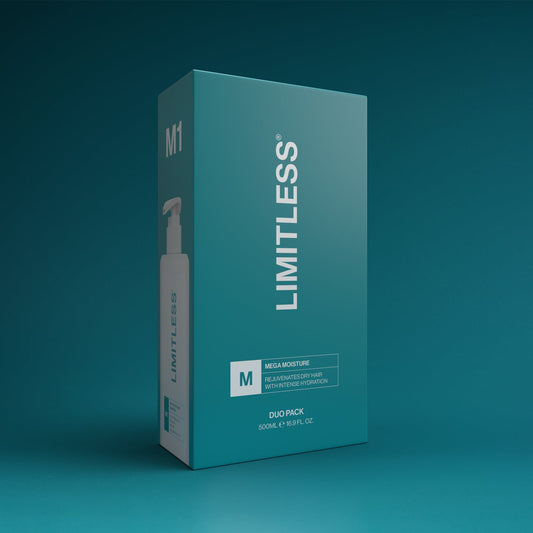
Limitless Mega Moisture Duo Pack 500ml
Regular price $45.00Sale price $45.00 Regular priceUnit price per$45.00 -
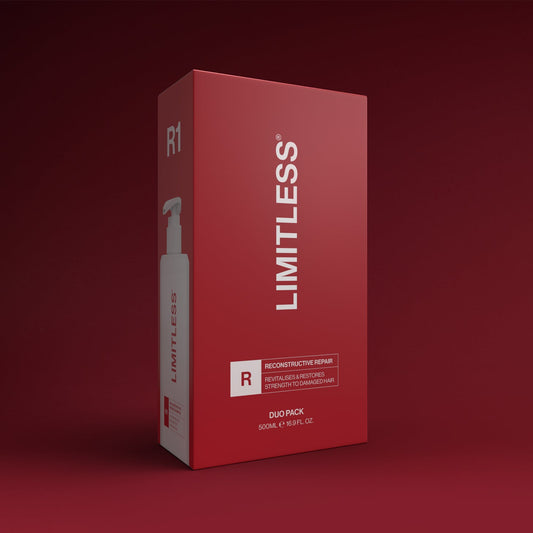
Limitless Reconstructive Repair Duo Pack 500ml
Regular price $45.00Sale price $45.00 Regular priceUnit price per$45.00 -
Luxliss Keratin Deep Cleansing Shampoo 100ml
Regular price $7.18Sale price $7.18 Regular priceUnit price per$17.95Sale -
Luxliss Keratin Deep Cleansing Shampoo 500ml
Regular price $35.98Sale price $35.98 Regular priceUnit price per$89.95Sale -
Limitless Anti-Frizz Duo Pack 500ml
Regular price $45.00Sale price $45.00 Regular priceUnit price per$45.00 -
H2B Charcoal Shampoo 780ml
Regular price $42.95Sale price $42.95 Regular priceUnit price per$49.95Sale -
Olaplex No.4 Bond Maintenance Shampoo 100ml
Regular price $26.99Sale price $26.99 Regular priceUnit price per$29.95Sale -
H2B Charcoal SSP Shampoo 380ml
Regular price $21.95Sale price $21.95 Regular priceUnit price per$30.00Sale -
12 Reasons Marula Oil Shampoo 60ml
Regular price $6.79Sale price $6.79 Regular priceUnit price per$7.99Sale -
NK Goldilocks Pure Green Soft Shampoo 500ml
Regular price $29.95Sale price $29.95 Regular priceUnit price per$49.95Sale -
Muk Hard Muk Styling Shampoo 250ml
Regular price $22.46Sale price $22.46 Regular priceUnit price per$24.95Sale -
Natural Look Colour Art Shampoo 60ml
Regular price $4.38Sale price $4.38 Regular priceUnit price per$9.95Sale






























Your Questions Answered
Two to three washes a week is the sweet spot for most hair. Daily washing is fine for fine, oily, or scalp-prone hair on a gentler formula. Dry, coarse, or curly hair does better on one to two washes a week with a co-wash or rinse in between. The signal isn't a calendar; it's how your scalp and lengths feel by day three. Greasy roots mean to wash sooner. Brittle ends mean wash less, condition more.
Not for everyone. Sulphates (SLS, SLES) are strong cleansing agents; they're efficient, and they're not harmful in normal use. The issue is specific to certain hair states. Colour-treated hair fades faster with sulphates. Curly hair loses its natural oils and looks frizzier. Keratin-smoothed hair loses the treatment faster. Dry, fragile, or compromised hair gets stripped further. If you sit in any of those groups, go sulphate-free. If you have normal, healthy hair and shower daily, sulphates are fine.
Start with what your hair does wrong, not what it is. Roots oily by lunch, scalp itches, hair feels coated, tone fading, frizz in humidity, and breakage when you brush. Each of those points to a different shampoo for the hair category in our range above. If you genuinely can't pick one, an everyday shampoo with a fortnightly clarifying wash is a safe default for most healthy hair. Once you spot the specific issue, switch to a targeted formula.
Yes, switch freely. The myth that hair gets used to shampoo is exactly that, a myth. What does happen is that residue from any single formula builds up over time, which is why rotating in a fortnightly clarifying wash matters. A common rotation: a targeted shampoo (keratin, volumising, colour) two to three days a week, a gentler everyday shampoo on the rest, and a clarifier every fortnight. Hair benefits from the variation.
Sometimes, yes. If you have thick hair, used a lot of styling products the day before, swam in chlorinated water, or skipped a wash, a double cleanse helps. The first lather breaks down oil, product and residue. The second actually cleans the scalp. On fine, dry, or freshly coloured hair, a single wash is enough. Match the double-cleanse to the day, not the routine.
Folliculitis is inflammation of the hair follicles, often caused by bacteria, yeast, or trapped sebum, so a regular shampoo won't fix it. Look for an antibacterial or antifungal medicated shampoo (ingredients like ketoconazole, zinc pyrithione, or salicylic acid) and rotate it with a gentle clarifying wash from our clarifying shampoo range to keep the scalp clear of build-up. For persistent or painful folliculitis, see a GP or dermatologist; this is a skin condition, not just a hair-care issue.
Shampoo itself doesn't cause hair loss. What you see in the shower is hair that was already shedding, shedding as you wash. Average shedding ranges from 50 to 100 hairs a day; anyone who washes less often will see more in one go on wash day. If genuine thinning is showing up at the part line or temples, look at hormones, stress, nutritional deficiency, or hereditary patterns rather than the bottle. Our Thinning Hair collection pairs gentler cleansers with scalp-active treatments for that situation.
Three causes in order of likelihood. First, you're conditioning too close to the scalp; conditioner belongs from mid-lengths down, not at the roots. Second, you're not rinsing long enough; shampoo residue weighs hair down and makes it look oily. Third, your shampoo is too rich for your scalp type; fine, oily scalp hair needs a lighter formula. A fortnightly clarifying wash usually fixes the first wave of the problem. After that, switch shampoos to match your actual scalp behaviour.
A 10 to 20-cent piece for shoulder-length hair, doubled for long or thick hair. More shampoo doesn't clean better; it just rinses longer and uses up the bottle faster. The right amount foams up gently when you emulsify it in your palms with a little water before applying. If you're getting almost no lather, either dose up slightly or rinse your hair more thoroughly first; lather depends on the hair being properly wet.


