


-
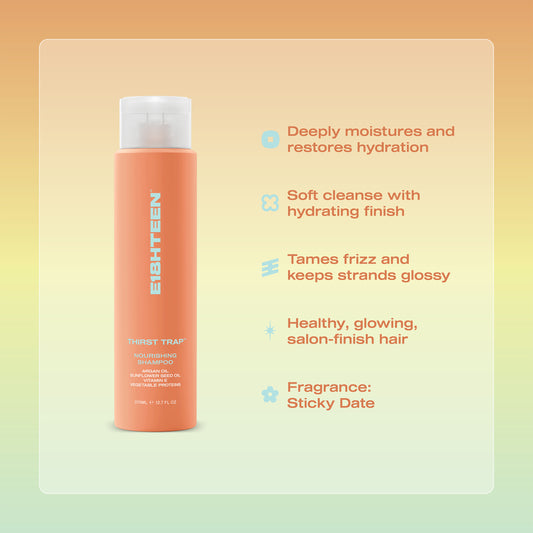
E18HTEEN Thirst Trap Shampoo 375ml
Regular price $9.95Sale price $9.95 Regular priceUnit price per$29.90Sale -
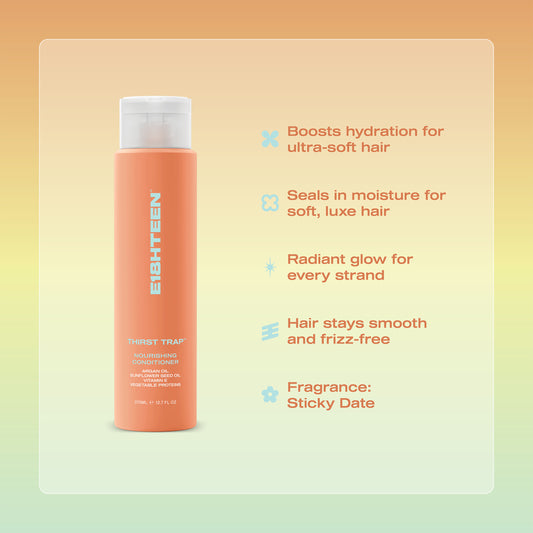
E18HTEEN Thirst Trap Conditioner 375ml
Regular price $9.95Sale price $9.95 Regular priceUnit price per$29.90Sale -
Natural Look X Ten Hair Extension Care Silky Lite Conditioner 300ml
Regular price $9.95Sale price $9.95 Regular priceUnit price per$18.15Sale -
Fanola No Yellow Vegan Mask Sulfate Free 350ml
Regular price $19.95Sale price $19.95 Regular priceUnit price per$39.90Sale -
Brasil Cacau EcoKeratin Treatment Kit 300ml
Regular price $189.00Sale price $189.00 Regular priceUnit price per$282.70Sale -
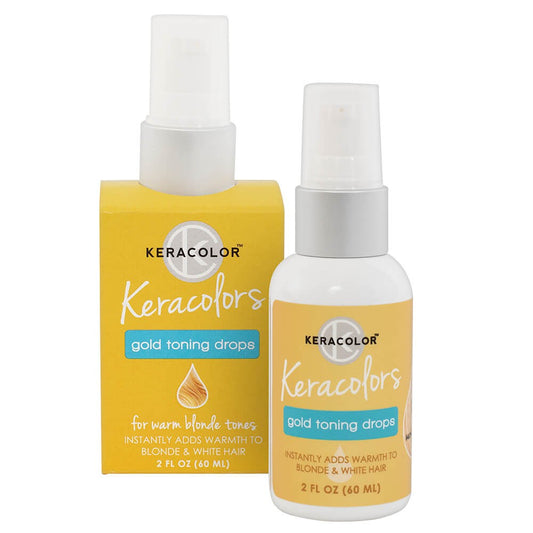
Keracolor Toning Drops Gold 60ml
Regular price $19.50Sale price $19.50 Regular priceUnit price per$39.00Sale -
Byotea SOS Lip Protection Stick SPF 50+ 12Pcs x 9ml
Regular price $127.05Sale price $127.05 Regular priceUnit price per$510.00Sale -
Natural Look Static Free Anti Frizz Shampoo 1L
Regular price $27.95Sale price $27.95 Regular priceUnit price per$36.95Sale -
Natural Look Static Free Anti Frizz Conditioner 1L
Regular price $27.95Sale price $27.95 Regular priceUnit price per$36.95Sale -
Natural Look Static Free Anti Frizz Reconstructive Mask 1L
Regular price $28.95Sale price $28.95 Regular priceUnit price per$39.95Sale -
Brasil Cacau Primer Pre-Styling Leave-In 110ml
Regular price $27.95Sale price $27.95 Regular priceUnit price per$40.70Sale -
Brasil Cacau Kit 110ml
Regular price $99.00Sale price $99.00 Regular priceUnit price per$157.00Sale -
Dumb Blonde No Yellow Shampoo 1L
Regular price $19.95Sale price $19.95 Regular priceUnit price per$49.95Sale -
Dumb Blonde No Yellow Shampoo 375ml
Regular price $9.95Sale price $9.95 Regular priceUnit price per$29.95Sale -
Dumb Blonde No Yellow Mask 1L
Regular price $19.95Sale price $19.95 Regular priceUnit price per$49.95Sale -
Dumb Blonde No Yellow Mask 375ml
Regular price $9.95Sale price $9.95 Regular priceUnit price per$29.95Sale -
Punky 3-In-1 Shampoo Tealistic 250ml
Regular price $29.17Sale price $29.17 Regular priceUnit price per$47.00Sale -
Punky 3-In-1 Shampoo Mochanificent 250ml
Regular price $29.17Sale price $29.17 Regular priceUnit price per$47.00Sale -
Punky 3-In-1 Shampoo Blondetastic 250ml
Regular price $29.17Sale price $29.17 Regular priceUnit price per$47.00Sale -
Punky 3-In-1 Shampoo Greengarious 250ml
Regular price $29.17Sale price $29.17 Regular priceUnit price per$47.00Sale -
Punky 3-In-1 Shampoo Coralustrous 250ml
Regular price $29.17Sale price $29.17 Regular priceUnit price per$47.00Sale -
NK Goldilocks Curl Up Wave Essence 150ml
Regular price $28.95Sale price $28.95 Regular priceUnit price per$49.95Sale -
NK Goldilocks Reform Treatment Essence 200ml
Regular price $39.95Sale price $39.95 Regular priceUnit price per$59.95Sale -
Hi Lift Cureplex No1 Bond Creator 500ml
Regular price $98.95Sale price $98.95 Regular priceUnit price per$171.30Sale -
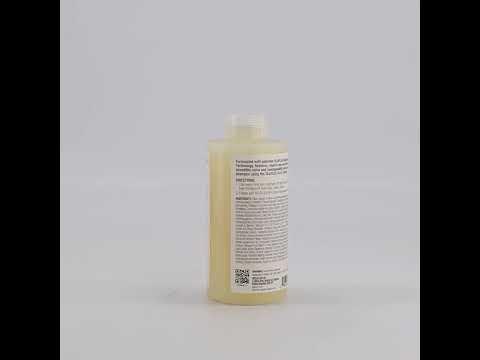
Olaplex No.4 Bond Maintenance Shampoo 250ml
Regular price $44.00Sale price $44.00 Regular priceUnit price per$60.00Sale -
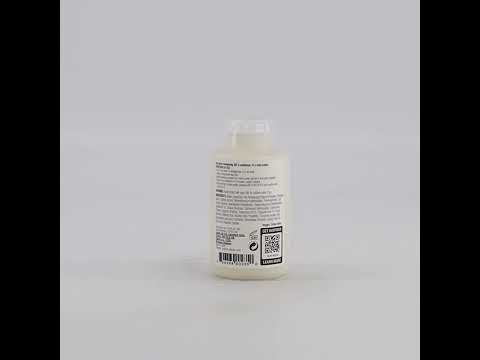
Olaplex No.3 Hair Perfector Treatment 100ml
Regular price $60.00Sale price $60.00 Regular priceUnit price per$79.95Sale -
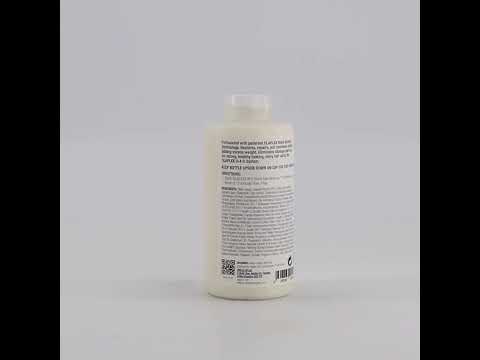
Olaplex No.5 Bond Maintenance Conditioner 250ml
Regular price $42.99Sale price $42.99 Regular priceUnit price per$60.00Sale -
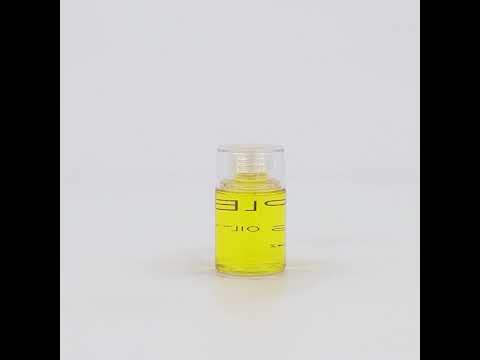
Olaplex No.7 Bonding Oil 30ml
Regular price $44.95Sale price $44.95 Regular priceUnit price per$60.00Sale -
De Lorenzo Novaplex Bond Construct 1 500ml
Regular price $122.55Sale price $122.55 Regular priceUnit price per$490.20Sale -
De Lorenzo Novaplex Bond Restore 2 500ml
Regular price $45.77Sale price $45.77 Regular priceUnit price per$183.05Sale -
12 Reasons Argan Oil Shampoo 400ml
Regular price $23.95Sale price $23.95 Regular priceUnit price per$29.95Sale -
12 Reasons Argan Oil Conditioner 400ml
Regular price $23.95Sale price $23.95 Regular priceUnit price per$29.95Sale -
12 Reasons Marula Oil Shampoo 400ml
Regular price $23.95Sale price $23.95 Regular priceUnit price per$29.95Sale -
12 Reasons Marula Oil Conditioner 400ml
Regular price $23.95Sale price $23.95 Regular priceUnit price per$29.95Sale -
12 Reasons Keratin Shampoo 400ml
Regular price $23.95Sale price $23.95 Regular priceUnit price per$29.95Sale -
12 Reasons Keratin Conditioner 400ml
Regular price $23.95Sale price $23.95 Regular priceUnit price per$29.95Sale -
12 Reasons Marula Oil Shampoo 1L
Regular price $42.95Sale price $42.95 Regular priceUnit price per$59.95Sale -
12 Reasons Marula Oil Conditioner 1L
Regular price $42.95Sale price $42.95 Regular priceUnit price per$59.95Sale -
12 Reasons Argan Oil Shampoo 1L
Regular price $42.95Sale price $42.95 Regular priceUnit price per$59.95Sale -
12 Reasons Argan Oil Conditioner 1L
Regular price $43.69Sale price $43.69 Regular priceUnit price per$59.95Sale















Your Questions Answered
Read the ingredient list. If you see sodium lauryl sulphate (SLS), sodium laureth sulphate (SLES), or the ammonium versions (ALS, ALES), it isn't sulphate-free. Gentle surfactants to look for instead include sodium cocoyl isethionate, cocamidopropyl betaine, decyl glucoside, and lauryl glucoside.
Yes, that's one of its advantages, the gentle formula won't strip the hair the way a daily sulphate wash can. How often you actually need to wash depends on your hair and scalp, but sulphate-free is fine for daily use if you want it.
No, they're separate things. Sulphate-free just means the harsh foaming detergents are left out; a formula can be sulphate-free and still contain silicones, fragrance, or synthetic ingredients. If natural or organic matters to you, check the full label rather than relying on the sulphate-free claim alone.


