


-
Pureology Color Fanatic Multi-Tasking Leave-In Spray 200ml
Regular price $46.80Sale price $46.80 Regular priceUnit price per$60.84Sale -
Skala Divine Kids Curly 2 in 1 Leave-In Conditoner 250ml
Regular price $8.95Sale price $8.95 Regular priceUnit price per$19.95Sale -
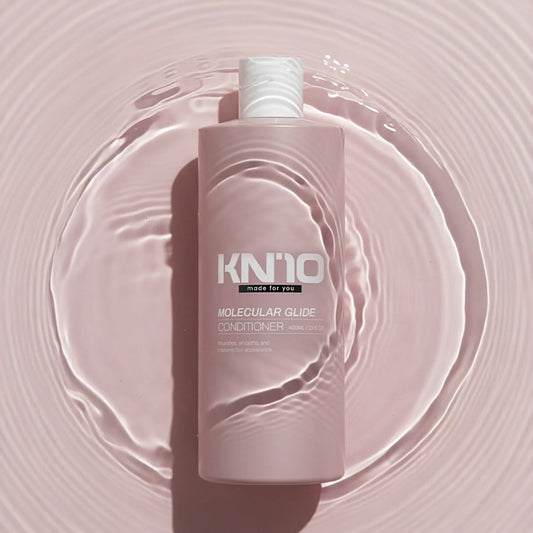
KN10 Molecular Glide Conditioner 400ml
Regular price $39.95Sale price $39.95 Regular priceUnit price per$51.94Sale -
Skala Babosa Aloe Vera Hair Treatment Conditioning Cream 1000g
Regular price $14.95Sale price $14.95 Regular priceUnit price per$29.95Sale -
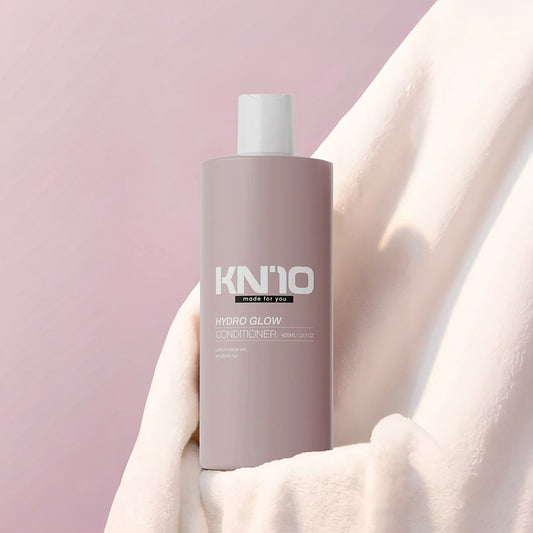
KN10 Hydro Glow Conditioner 400ml
Regular price $39.95Sale price $39.95 Regular priceUnit price per$51.94Sale -
Redken Color Extend Magnetics Conditioner 300ml
Regular price $39.95Sale price $39.95 Regular priceUnit price per$51.94Sale -
Punky 3-In-1 Shampoo Lavender 250ml
Regular price $29.17Sale price $29.17 Regular priceUnit price per$47.00Sale -
Skala Divino Pot Kids 2 in 1 Hair Treatment Conditioning + Leave in 1000g
Regular price $14.95Sale price $14.95 Regular priceUnit price per$29.95Sale -
Elegance Extract Series Shea Butter Leave in Conditioner 300ml
Regular price $18.00Sale price $18.00 Regular priceUnit price per$28.95Sale -
Elegance Extract Series Coconut Leave in Conditioner 300ml
Regular price $18.00Sale price $18.00 Regular priceUnit price per$28.95Sale -
Elegance Extract Series Argan Oil Leave in Conditioner 300ml
Regular price $18.00Sale price $18.00 Regular priceUnit price per$28.95Sale -
Pureology Hydrate Sheer Conditioner 1L
Regular price $118.15Sale price $118.15 Regular priceUnit price per$153.60Sale -
Pureology Hydrate Sheer Conditioner 266ml
Regular price $55.35Sale price $55.35 Regular priceUnit price per$71.96Sale -
Skala Divine Curls Conditioner 600ml
Regular price $19.95Sale price $19.95 Regular priceUnit price per$24.95Sale -
Pureology Hydrate Conditioner 266ml
Regular price $55.35Sale price $55.35 Regular priceUnit price per$71.96Sale -
Pureology Hydrate Conditioner 1L
Regular price $118.15Sale price $118.15 Regular priceUnit price per$153.60Sale -
Pureology Strength Cure Conditioner 266ml
Regular price $55.35Sale price $55.35 Regular priceUnit price per$71.96Sale -
Skala Jaborandi and Camellia 2 in 1 Hair Treatment Conditioning Cream 1000g
Regular price $19.95Sale price $19.95 Regular priceUnit price per$29.95Sale -
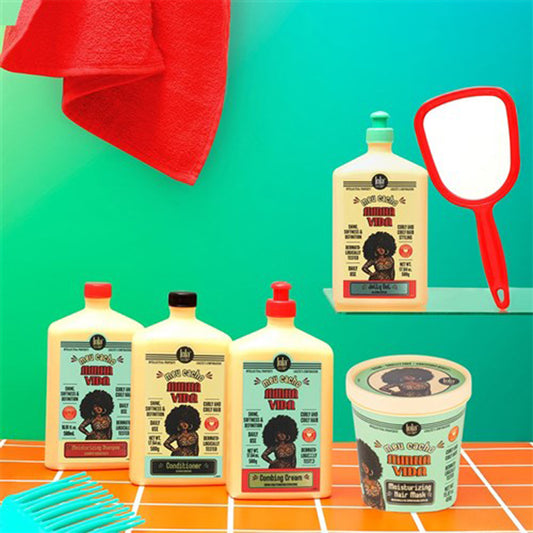
Lola Meu Cacho Minha Vida Conditioner 500g
Regular price $29.95Sale price $29.95 Regular priceUnit price per$29.95 -
Aveda Nutriplenish Deep Moisture Conditioner 250ml
Regular price $67.00Sale price $67.00 Regular priceUnit price per$80.40Sale -
Aveda Be Curly Advanced Conditioner 250ml
Regular price $59.00Sale price $59.00 Regular priceUnit price per$70.80Sold out -
Pureology Nanoworks Gold Conditioner 1L
Regular price $118.15Sale price $118.15 Regular priceUnit price per$153.60Sale -
Wella Professionals Premium Care Nutricurls Milky Waves Nourishing Spray for Waves 150ml
Regular price $28.39Sale price $28.39 Regular priceUnit price per$36.91Sale -
Pureology Pure Volume Conditioner 266ml
Regular price $55.35Sale price $55.35 Regular priceUnit price per$71.96Sale -
Pureology Nanoworks Gold Conditioner 266ml
Regular price $61.50Sale price $61.50 Regular priceUnit price per$79.95Sale -
Pureology Pure Volume Conditioner 1L
Regular price $118.15Sale price $118.15 Regular priceUnit price per$153.60Sale -
Pureology Strength Cure Conditioner 1L
Regular price $118.15Sale price $118.15 Regular priceUnit price per$153.60Sale -
LAB35 Curl Mania Conditioner 250ml
Regular price $15.95Sale price $15.95 Regular priceUnit price per$22.95Sale -
Skala Babosa Aloe Vera moisturising curly-haired Conditioner 600ml
Regular price $19.95Sale price $19.95 Regular priceUnit price per$24.95Sale -

Wella Professionals Premium Care Nutricurls Detangling Conditioner for Waves & Curls 1000ml
Regular price $63.95Sale price $63.95 Regular priceUnit price per$83.14Sold out -
Wella Professionals Premium Care Nutricurls Detangling Conditioner for Waves & Curls 200ml
Regular price $26.97Sale price $26.97 Regular priceUnit price per$35.06Sale -
Wella Professionals Premium Care Nutricurls Cleansing Conditioner for Waves & Curls 250ml
Regular price $26.97Sale price $26.97 Regular priceUnit price per$35.06Sale -
Matrix A Curl Can Dream Cowash 300ml
Regular price $32.22Sale price $32.22 Regular priceUnit price per$41.89Sale -
Aveda Nutriplenish Deep Moisture Conditioner 1000ml
Regular price $199.95Sale price $199.95 Regular priceUnit price per$239.94Sale -
E18HTEEN Be Poppin' Curl Duo 1L
Regular price $35.95Sale price $35.95 Regular priceUnit price per$79.90Sale -
E18HTEEN Be Poppin' Curl Essentials
Regular price $53.95Sale price $53.95 Regular priceUnit price per$119.60Sale -
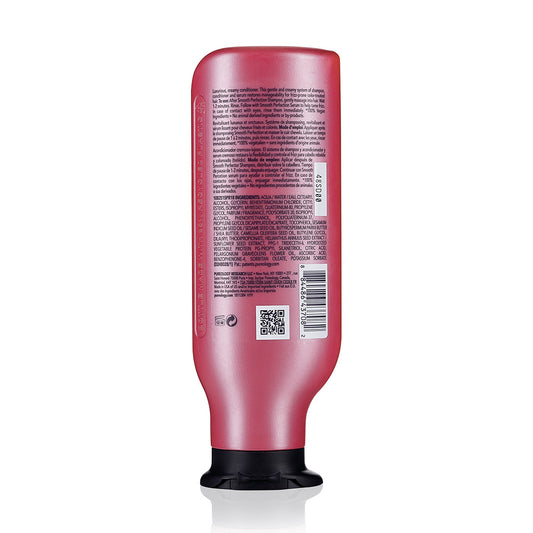
Pureology Smooth Perfection Conditioner 266ml
Regular price $55.35Sale price $55.35 Regular priceUnit price per$71.96Sale -
Luxliss Curl & Shine Conditioner 300ml
Regular price $5.95Sale price $5.95 Regular priceUnit price per$7.74Sold out

















Your Questions Answered
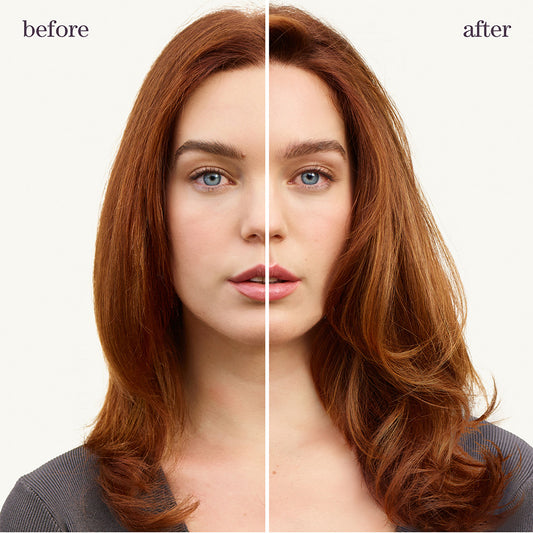
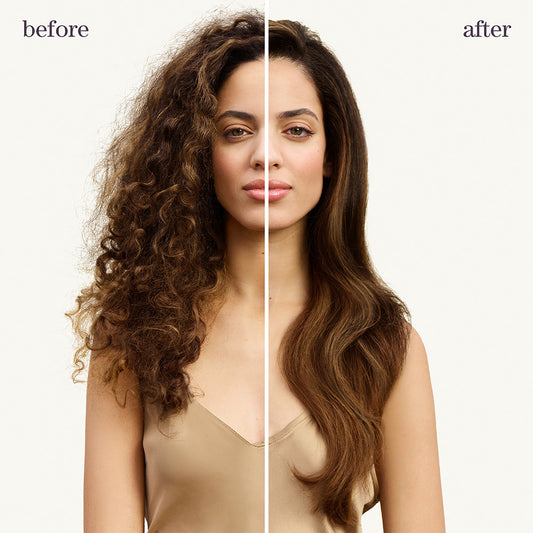
No, conditioner can't change the shape your hair grows in. What it can do is show off curl you already have. Waves and curls that are dry or frizzy often look straighter than they are, because the strands don't clump together. The best conditioner for curly hair adds moisture and slip so the curl can form. For more definition after that, work a styling cream through wet hair.
Leave-in conditioner keeps curls soft and easier to manage between washes. It stays on the hair instead of rinsing out, so curls hold onto moisture through the day, frizz less and comb out more easily. Use a small amount on wet hair after your rinse-out conditioner, mostly through the mid-lengths and ends. Fine curls need only a little; thick or dry curls can take more. Browse leave-in conditioner to compare options.


