


-

 Sold out
AMR Professional Tail Comb Pink
Regular price $3.00Sale price $3.00 Regular priceUnit price per$3.00Sold out -
AMR Professional Basin Comb Pink
Regular price $2.00Sale price $2.00 Regular priceUnit price per$4.95Sale -
AMR Professional Basin Comb Black
Regular price $2.00Sale price $2.00 Regular priceUnit price per$4.95Sale -
Limitless Professional Basin Comb
Regular price $2.00Sale price $2.00 Regular priceUnit price per$2.99Sale -
AMR Professional Basin Comb Purple
Regular price $2.00Sale price $2.00 Regular priceUnit price per$4.95Sale -
Glammar Afro Comb Medium
Regular price $3.00Sale price $3.00 Regular priceUnit price per$5.58Sale -
 Sold out
Barber Culture Afro Comb
Regular price $4.27Sale price $4.27 Regular priceUnit price per$4.49Sold out -
AMR Professional Basin Comb Blue
Regular price $2.00Sale price $2.00 Regular priceUnit price per$4.95Sale -
 Sale
-
Natural Look Detangling Comb Grey
Regular price $4.73Sale price $4.73 Regular priceUnit price per$5.25Sale -
Fuzzfighters Carbon Detangling Comb
Regular price $19.95Sale price $19.95 Regular priceUnit price per$25.00Sale -
Glammar Basin Comb White
Regular price $4.00Sale price $4.00 Regular priceUnit price per$5.95Sale -
-
WetBrush The Wet Basin Comb - Purple
Regular price $9.95Sale price $9.95 Regular priceUnit price per$10.95Sale -
WetBrush Pro Basin Comb Detangler - Purple
Regular price $11.95Sale price $11.95 Regular priceUnit price per$13.95Sale -
WetBrush The Wet Basin Comb - Pink
Regular price $9.95Sale price $9.95 Regular priceUnit price per$10.95Sale -
WetBrush The Wet Basin Comb - Black
Regular price $9.95Sale price $9.95 Regular priceUnit price per$10.95Sale -
WetBrush Pro Basin Comb Detangler - Pink
Regular price $11.95Sale price $11.95 Regular priceUnit price per$13.95Sale -
WetBrush Pro Basin Comb Detangler - Black
Regular price $11.95Sale price $11.95 Regular priceUnit price per$13.95Sale -
Student Colourful Cutting Comb 60Pk
Regular price $70.00Sale price $70.00 Regular priceUnit price per$99.00Sale -
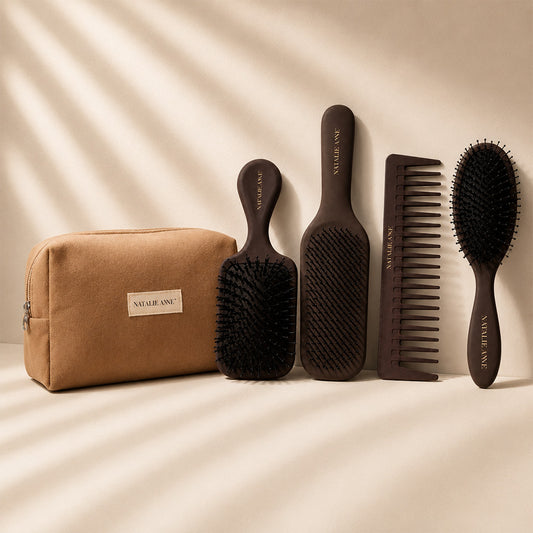
Natalie Anne Wet & Dry Pro Comb – Espresso
Regular price $29.00Sale price $29.00 Regular priceUnit price per$37.70Sale -
AMR Professional Basin Comb Multipack 4Pcs
Regular price $12.00Sale price $12.00 Regular priceUnit price per$12.00


Your Questions Answered
Wet the mat, add plenty of slip, then work from the ends up in small sections. Soak it with conditioner or a detangler and loosen it with your fingers before any comb goes in. Hold the hair above the mat so you don't pull on the scalp. A wide-tooth comb with strong teeth is the best detangling comb for this job. Go slowly and be patient.


