


-
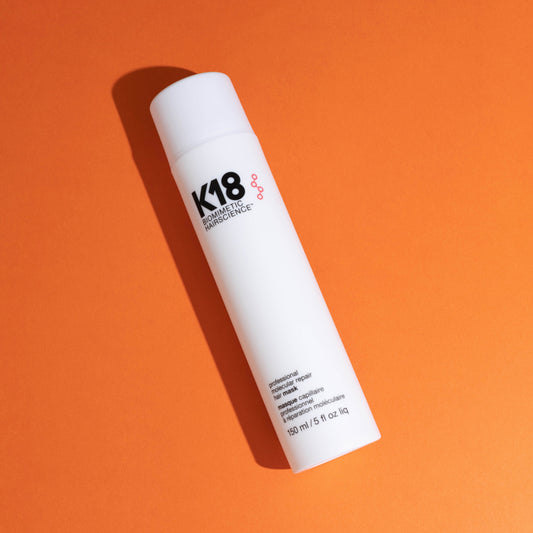
K18 Leave-In Molecular Repair Mask 150ml
Regular price $199.00Sale price $199.00 Regular priceUnit price per$199.00Sold out -
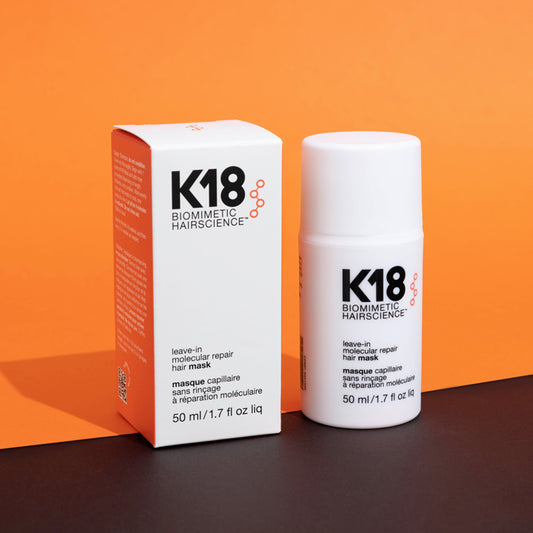
K18 Leave-In Molecular Repair Mask 50ml
Regular price $114.95Sale price $114.95 Regular priceUnit price per$114.95 -
Harvest Recover & Rebuild Collagen Mask 250ml
Regular price $49.95Sale price $49.95 Regular priceUnit price per$49.95 -
Natural Look Intensive Reconstructive Treatment 1L
Regular price $28.76Sale price $28.76 Regular priceUnit price per$31.95Sale -
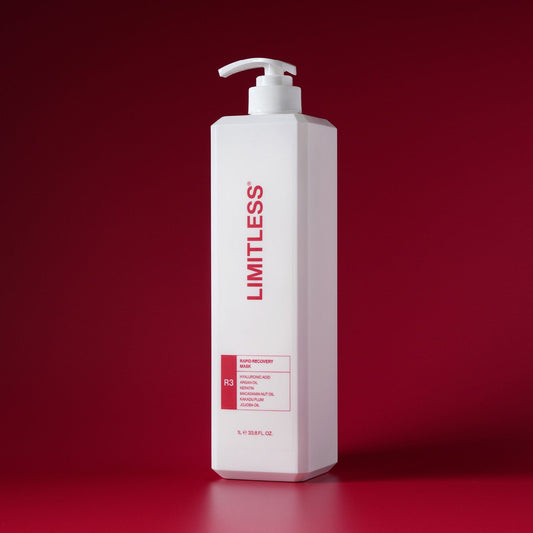
Limitless R3 Rapid Recovery Mask 500ml
Regular price $27.95Sale price $27.95 Regular priceUnit price per$27.95 -
Limitless R3 Rapid Recovery Mask 1L
Regular price $42.95Sale price $42.95 Regular priceUnit price per$42.95 -
Brasil Cacau Hydrating Hair Complex Mask 200ml
Regular price $24.50Sale price $24.50 Regular priceUnit price per$43.90Sale -
Natural Look Static Free Anti Frizz Reconstructive Mask 1L
Regular price $35.96Sale price $35.96 Regular priceUnit price per$39.95Sale -
BKT Hydra Deep Hydration Hair Mask 300g
Regular price $70.00Sale price $70.00 Regular priceUnit price per$79.95Sale -
H2B Collagen Treatment 500ml
Regular price $34.95Sale price $34.95 Regular priceUnit price per$44.95Sale -
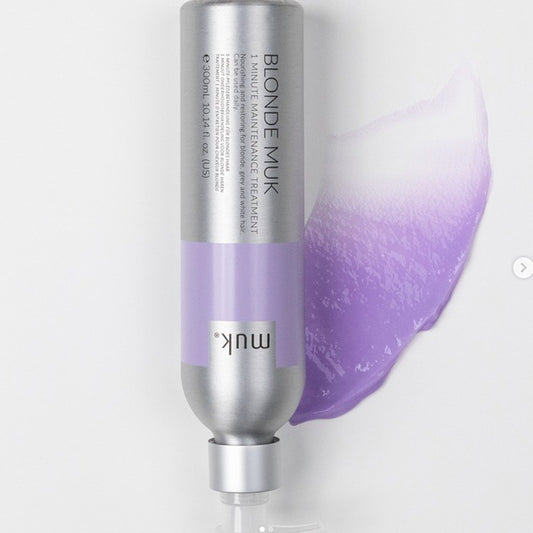
Muk Blonde Muk 1 Minute Treatment 200ml
Regular price $12.00Sale price $12.00 Regular priceUnit price per$29.95Sold out -
Natural Look Intensive Reconstructive Treatment 200ml
Regular price $17.06Sale price $17.06 Regular priceUnit price per$18.95Sale -
L'Oréal Professionnel Pro Longer 10 in 1 Cream 150ml
Regular price $27.95Sale price $27.95 Regular priceUnit price per$51.94Sale -
Perfect Hair Keratin Infused Intense Mask 250ml
Regular price $45.00Sale price $45.00 Regular priceUnit price per$60.00Sale -
De Lorenzo Instant Restructurant Refills 15 x 20ml
Regular price $44.54Sale price $44.54 Regular priceUnit price per$178.15Sold out -
Pureology Strength Cure Treatment Mask 250ml
Regular price $65.00Sale price $65.00 Regular priceUnit price per$84.50Sale -
Pureology Strength Cure Superfood Treatment 200ml
Regular price $57.60Sale price $57.60 Regular priceUnit price per$74.88Sale -
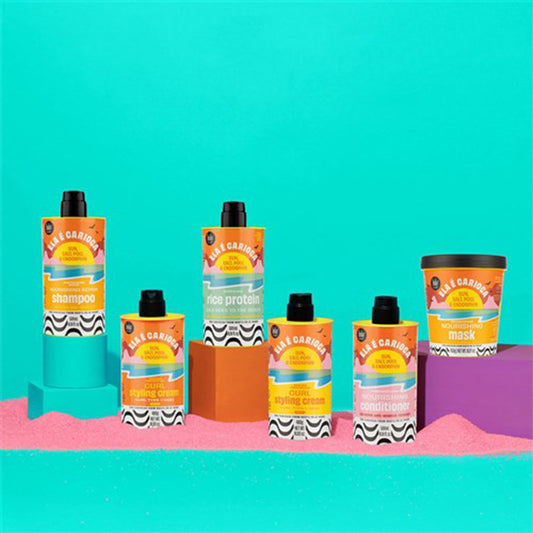
Lola Ela E Carioca Nourishing Mask 450g
Regular price $31.95Sale price $31.95 Regular priceUnit price per$31.95 -
Pureology Color Fanatic Multi-Tasking Deep-Conditioning Mask 200ml
Regular price $58.50Sale price $58.50 Regular priceUnit price per$76.05Sale











Your Questions Answered
A repairing or moisturising mask that suits your hair type is the best hair mask for split ends, used once a week from the mid-lengths down. Richer formulas suit thick or dry hair, and lighter ones suit fine hair. No mask can join a split end back together, so trim off what's already split, then use a repairing mask to keep the ends softer and neater between cuts.


