


-
Dumb Blonde No Yellow Mask 1L
Regular price $19.95Sale price $19.95 Regular priceUnit price per$49.95Sale -
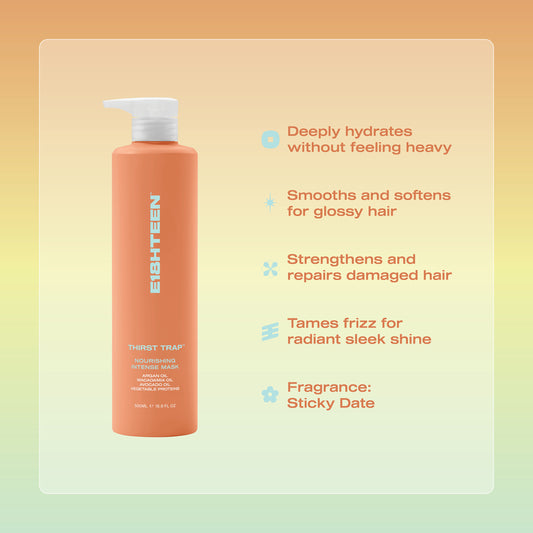
E18HTEEN Thirst Trap Nourishing Intense Mask 500ml
Regular price $19.95Sale price $19.95 Regular priceUnit price per$39.95Sale -
Dumb Blonde No Yellow Duo Pack 375ml
Regular price $18.90Sale price $18.90 Regular priceUnit price per$59.90Sale -
Limitless R3 Rapid Recovery Mask 500ml
Regular price $27.95Sale price $27.95 Regular priceUnit price per$27.95 -
Dumb Blonde No Yellow Mask 375ml
Regular price $9.95Sale price $9.95 Regular priceUnit price per$29.95Sale -
Limitless R3 Rapid Recovery Mask 1L
Regular price $42.95Sale price $42.95 Regular priceUnit price per$42.95 -
Natural Look Colour Art Deep Mask 400g
Regular price $31.50Sale price $31.50 Regular priceUnit price per$35.00Sale -
Dumb Blonde No Orange Mask 1L
Regular price $19.95Sale price $19.95 Regular priceUnit price per$49.95Sale -
BKT Hydra Deep Hydration Hair Mask 300g
Regular price $70.00Sale price $70.00 Regular priceUnit price per$79.95Sale -
Limitless CL3 Clinical Curl Light Mask 500ml
Regular price $29.95Sale price $29.95 Regular priceUnit price per$29.95 -
Limitless CL3 Clinical Curl Light Mask 1L
Regular price $44.95Sale price $44.95 Regular priceUnit price per$44.95 -
Dumb Blonde No Orange Mask 375ml
Regular price $9.95Sale price $9.95 Regular priceUnit price per$29.95Sale -
12 Reasons Keratin Mask 250ml
Regular price $24.95Sale price $24.95 Regular priceUnit price per$26.50Sale -
Dumb Blonde No Orange Duo Pack 375ml
Regular price $18.90Sale price $18.90 Regular priceUnit price per$59.90Sale -
Skala Frutastica Watermelon Treatment Cream 1000g
Regular price $14.95Sale price $14.95 Regular priceUnit price per$29.95Sale -
Redken All Soft Heavy Cream Treatment Moisturising 250ml
Regular price $43.00Sale price $43.00 Regular priceUnit price per$43.00Sold out -
De Lorenzo Instant Restructurant Refills 15 x 20ml
Regular price $44.54Sale price $44.54 Regular priceUnit price per$178.15Sold out -
Aveda Nutriplenish Treatment Masque Light Moisture 150ml
Regular price $64.80Sale price $64.80 Regular priceUnit price per$77.76Sale -
Lola Densidade Hair Mask 230g
Regular price $24.95Sale price $24.95 Regular priceUnit price per$24.95 -
Aveda Botanical Repair Intesnive Strengthening Masque 200ml
Regular price $79.95Sale price $79.95 Regular priceUnit price per$95.94Sale -
Wella Professionals Invigo Volume Boost Crystal Mask 145ml
Regular price $26.32Sale price $26.32 Regular priceUnit price per$34.22Sale -
Aveda Botanical Repair Intesnive Strengthening Light Masque 250ml
Regular price $89.95Sale price $89.95 Regular priceUnit price per$107.94Sale









Your Questions Answered
A light one matched to how your hair feels is the best hair mask for thin hair. If it's limp and stretchy when wet, pick a protein mask, such as a keratin mask. If it's dry or rough, pick a light moisture mask instead. Skip rich butters and heavy oils, apply from mid-lengths to ends only, and rinse well so your roots stay light.


