Collection: Keratin Mask

Keratin Hair Mask

When hair snaps mid-brush, the strength inside the strand has worn thin. A keratin mask rebuilds it. It fills the weak spots in the shaft with hydrolysed protein, so hair breaks less and holds together. It isn't about moisture or shine. It's about structure. If your hair feels gummy, stretches too far when wet, or breaks at the lightest tension, this is the mask for the job.


How to Choose a Keratin Mask by Damage Level

How much keratin your hair needs depends on the extent of its damage.

  • Mild damage from heat styling a few times a week, the occasional colour, and no bleach calls for a lightweight keratin mask with keratin listed third or fourth on the ingredient list. Use it once a week and leave it on for 5 minutes. Don't overuse it. Mild damage needs protein, but not much.

  • Moderate damage from daily heat styling, regular colour, and one round of bleach calls for a balanced keratin mask, with keratin second or third on the list. Use it once a week to maintain, or twice a week for the first fortnight if you're actively repairing. Leave it on for 7 to 10 minutes.

  • Severe damage from double-process bleach, colour corrections, relaxers, or perms calls for an intensive keratin repair treatment, with keratin first or second on the list. Use it twice a week for the first month, then drop to once a week. Leave it on for 10 to 15 minutes with a shower cap, since heat helps it penetrate.

  • Chemically smoothed hair, after a keratin treatment or Brazilian blowout, calls for a sulphate-free, protein-balanced mask. Don't over-protein here. The hair has already been altered by the smoothing service. Use a balanced keratin mask once a week and leave it on for 5 to 7 minutes.

For a full range of shampoos, conditioners, masks, and treatments across every level of damage, see hair care for damaged hair.


How to Apply a Keratin Hair Mask Without Overloading

Protein overload is real, and the right technique prevents it.

Start with a gentle, sulphate-light keratin shampoo, since sulphates strip the protein you're about to put in. Squeeze excess water from your hair until it's damp, not dripping, so the mask spreads evenly. Use a 20-cent piece for shoulder-length hair. Protein masks are concentrated, so more product doesn't mean a better result. Apply to the mid-lengths and ends first, where hair is oldest and most damaged, and keep it off the roots.

A few tips to finish. Comb through with a wide-tooth comb for even distribution. Leave it on for the full recommended time, and set a timer so it doesn't over-dwell. Rinse with lukewarm water, not hot or cold. Don't shampoo again afterwards, since that washes out the protein you just put in. Skip the separate conditioner unless your hair is very thick or coarse. On mask days, the mask does the whole job.

Keratin fixes structure, but it doesn't add water, and hair needs both. Think of your hair as a sponge. Protein rebuilds the walls, and water fills the inside. Protein with no water leaves it sound but empty, which feels stiff and brittle. Water with no protein leaves it full but with no walls, which feels gummy and weak. A good rhythm is to apply a keratin mask one day, and a hydrating hair mask a few days later, not both on the same day, since they compete for space in the cortex.

If your hair feels stiff or crunchy after a keratin mask, that's protein overload. Ease off protein for two weeks and use only hydrating masks and conditioners. When you bring keratin back, cut the frequency in half.


Why Shop Keratin Masks at AMR

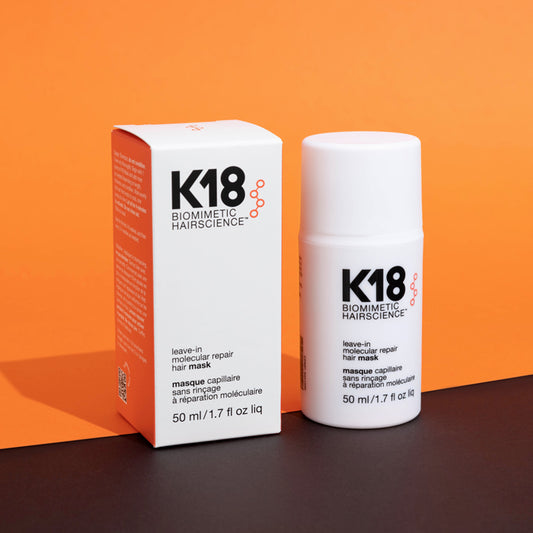
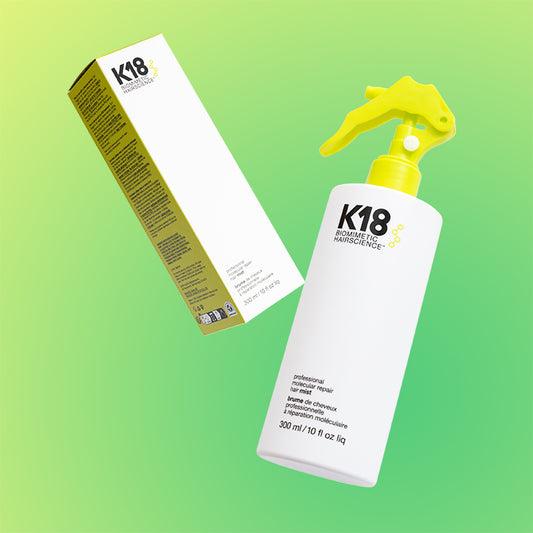
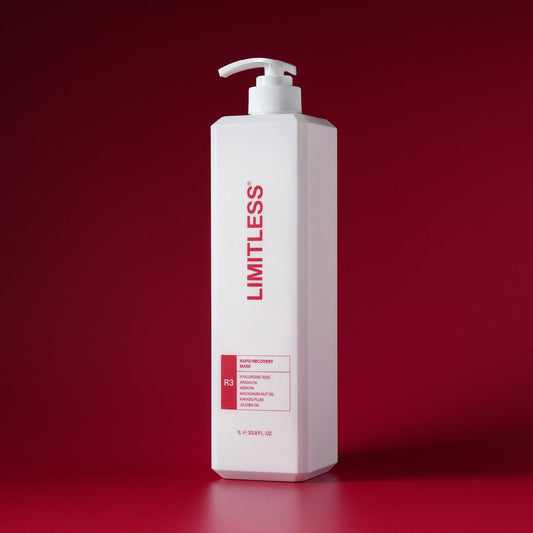
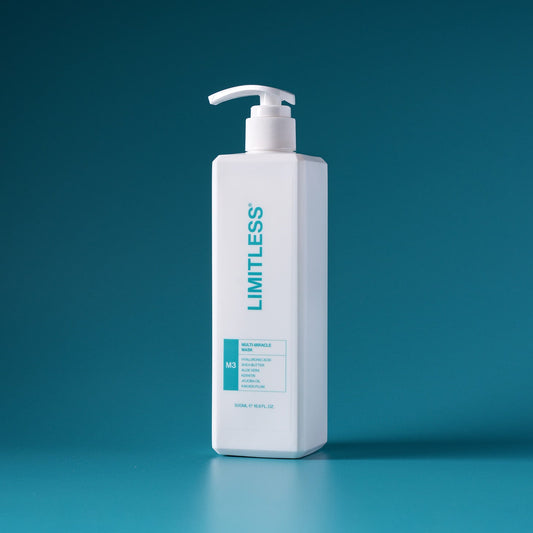
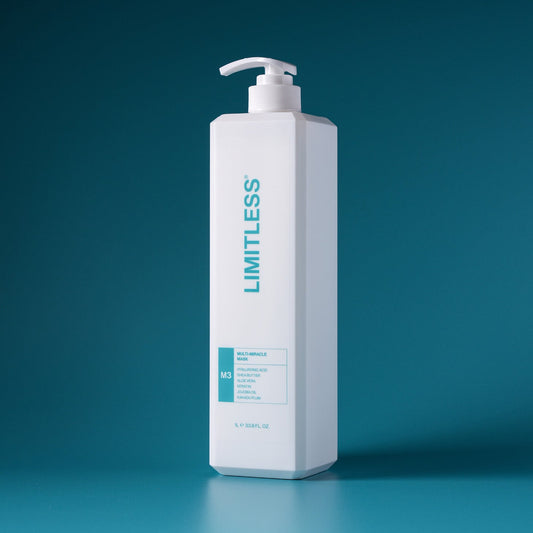
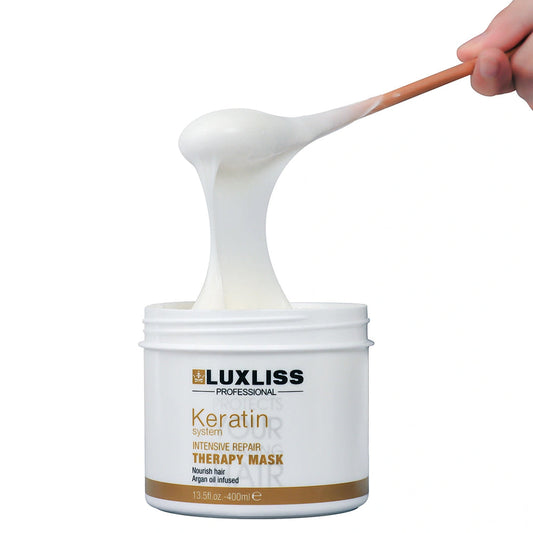
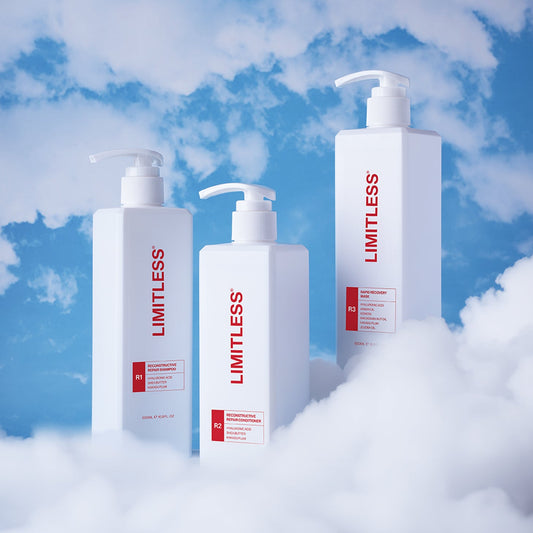
The AMR keratin mask collection covers every level of protein need, with salon-grade brands like 12 Reasons, Limitless, BKT, and Luxliss, shipped Australia-wide as part of our full hair mask range.

The difference between a professional mask and a standard retail version comes down to whether the protein can get inside the hair. Salon-grade masks use hydrolysed keratin broken into fragments small enough to penetrate the cortex, where they patch up weak spots and rebuild structure from within. Cheaper versions use larger protein molecules that sit on the surface and wash off after a few shampoos. Concentration matters too. Professional masks pack in enough protein to make a visible difference in breakage and elasticity within a few uses, while standard retail alternatives often dilute the active ingredients so much that the effect is barely noticeable.


Read more

9 products

Your Questions Answered

You can, but you shouldn't. Virgin hair with no chemical or heat damage already has its full share of protein, so piling on more tips only overloads it and does more harm than good. If your virgin hair feels dry, that's a job for a hydrating mask, not keratin. Save the keratin for once the hair is damaged.

Yes, but not on the same day. A keratin mask deposits protein, while a bond repair treatment reconnects broken disulphide bonds. They work well together on separate days, say a keratin mask on Tuesday and a bond treatment on Friday. Don't layer them in the same shower, since the cortex can only absorb so much at once.

No, and don't trust any jar that claims it is. A keratin mask deposits protein into the cortex, so it strengthens and smooths, but doesn't straighten. A keratin smoothing treatment, like a Brazilian blowout, is an in-salon service that uses heat to reshape bonds and temporarily straighten the hair. A mask maintains those results. It doesn't replace them. Any jar promising to straighten with no heat isn't telling the truth.

One to two weeks, depending on how often you wash and how porous your hair is. The protein washes out gradually over 3 to 5 shampoos, so the effect fades rather than lasting for good. One mask won't permanently fix damage. Think of it like a face moisturiser, something you keep up rather than do once.