


-
Redken All Soft Heavy Cream Treatment Moisturising 250ml
Regular price $43.00Sale price $43.00 Regular priceUnit price per$43.00Sold out -
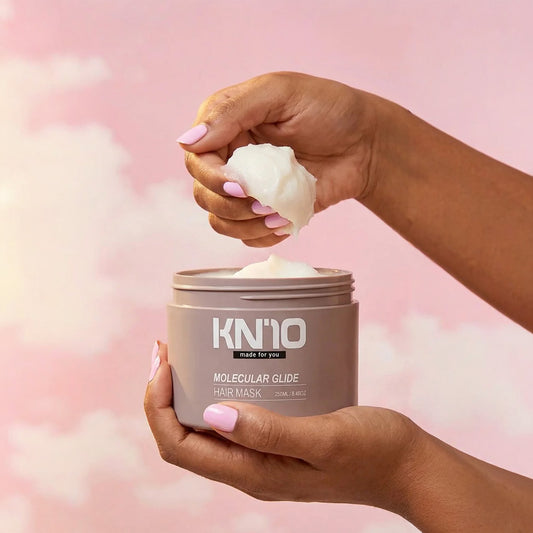
KN10 Molecular Glide Hair Mask 250ml
Regular price $49.95Sale price $49.95 Regular priceUnit price per$64.94Sale -
KN10 Repairmax Evermoist Spray 120ml
Regular price $27.95Sale price $27.95 Regular priceUnit price per$36.34Sale -
re:BOND AMINOFIXX DAILY Miracle Bond3 Building Spray Leave-in Pro Treatment 118ml
Regular price $44.95Sale price $44.95 Regular priceUnit price per$59.95Sale -
Skala Frutastica Cherry Repair and Shine 2 in 1 Treatment Cream 1000g
Regular price $17.95Sale price $17.95 Regular priceUnit price per$22.95Sale -
Innovative Haircare Intense Treatment 1L
Regular price $22.00Sale price $22.00 Regular priceUnit price per$34.95Sale -
Natural Look Colour Art Concentrated Treatment Ampoules 10mlx12
Regular price $56.66Sale price $56.66 Regular priceUnit price per$62.95Sale -
Kallos Plex Hair Bomb 200ml
Regular price $9.95Sale price $9.95 Regular priceUnit price per$15.95Sale -

 Sold out
Oli G Radiance Refresher Duo
Regular price $32.37Sale price $32.37 Regular priceUnit price per$116.94Sold out -
NK Goldilocks Liquid Treatment 300ml
Regular price $31.95Sale price $31.95 Regular priceUnit price per$66.95Sale -
L'Oréal Professionnel Absolut Repair Molecular Pre Treatment 190mL
Regular price $99.95Sale price $99.95 Regular priceUnit price per$180.35Sale -
Oli G Atomic Hair Repair Leave-In Treatment 15ml
Regular price $9.30Sale price $9.30 Regular priceUnit price per$35.10Sale -
LAB35 Restorative Milk 300ml
Regular price $16.95Sale price $16.95 Regular priceUnit price per$24.95Sale -
Matrix Instacure Build-A-Bond Billion Bond Oil 50ml
Regular price $37.48Sale price $37.48 Regular priceUnit price per$48.72Sale -
L'Oréal Professionnel Absolut Repair Resurfacing Mask 250ml
Regular price $51.30Sale price $51.30 Regular priceUnit price per$66.69Sale -

 Sold out
Natural Look Intensive Travel Pack
Regular price $21.95Sale price $21.95 Regular priceUnit price per$34.95Sold out -
De Lorenzo Instant Restructurant Refills 15 x 20ml
Regular price $44.54Sale price $44.54 Regular priceUnit price per$178.15Sold out -
Wella Professionals Premium Care Fusion Amino Refiller 70ml
Regular price $23.06Sale price $23.06 Regular priceUnit price per$29.98Sale -
L'Oréal Professionnel Absolut Repair Golden Mask 250ml
Regular price $51.30Sale price $51.30 Regular priceUnit price per$66.69Sale -
Luxliss Tanino Smoothing Treatment 1L
Regular price $180.00Sale price $180.00 Regular priceUnit price per$450.00Sale -
L'Oréal Professionnel Absolut Repair Molecular Rinse-Off Mask 150ml
Regular price $51.24Sale price $51.24 Regular priceUnit price per$66.61Sale -
Redken Acidic Bonding Concentrate Intensive Treatment 150ml
Regular price $52.20Sale price $52.20 Regular priceUnit price per$67.86Sale -
Schwarzkopf Professional BLONDME Bond Repair Sealing Balm 75ml
Regular price $30.45Sale price $30.45 Regular priceUnit price per$40.00Sale -
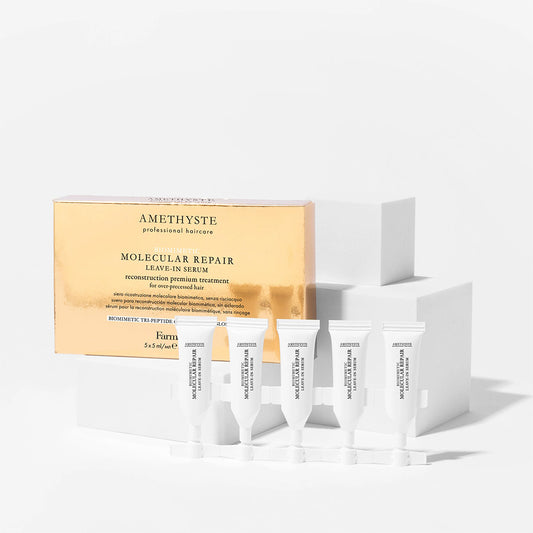
FarmaVita Amethyste Biomimetic Molecular Repair Leave-In Serum 5x5ml
Regular price $60.00Sale price $60.00 Regular priceUnit price per$78.00Sale -
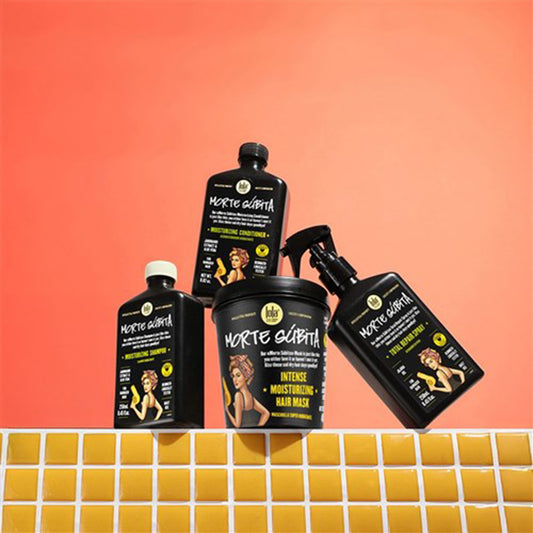
Lola Morte Subita Total Repair Spray 250ml
Regular price $24.95Sale price $24.95 Regular priceUnit price per$24.95 -
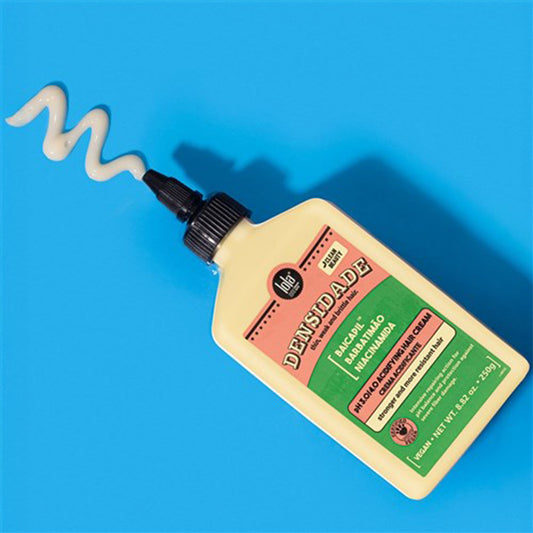
Lola Densidade Acidifying Hair Cream 250g
Regular price $24.95Sale price $24.95 Regular priceUnit price per$24.95 -
Aveda Damage Remedy Daily Hair Repair 100ml
Regular price $49.95Sale price $49.95 Regular priceUnit price per$59.94Sold out -
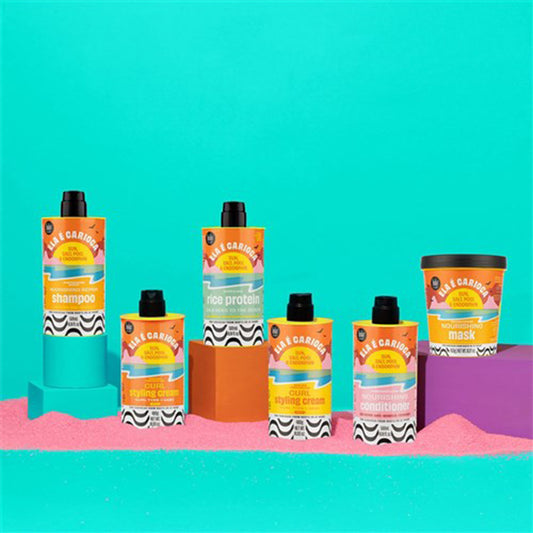
Lola Ela E Carioca Rice Protein 500ml
Regular price $36.95Sale price $36.95 Regular priceUnit price per$36.95 -
Aveda Botanical Repair Bond Building Flash Treatment 150ml
Regular price $69.95Sale price $69.95 Regular priceUnit price per$83.94Sale -
Geogiemane Ultimate Repair & Growth Bundle
Regular price $199.99Sale price $199.99 Regular priceUnit price per$229.94Sale -
Limitless B1 Bond Builder + Dose Dispenser 120ml
Regular price $31.95Sale price $31.95 Regular priceUnit price per$159.80Sale










Your Questions Answered
It's a treatment that works on the bonds inside the hair that hold its structure together. Bleach, colour, perms and chemical straightening break some of those bonds, which leaves hair weak, stretchy and quick to snap. A bond repair product targets that inner damage instead of just coating the surface. It comes as a pre-wash treatment, a mask or a leave in. Compare options in our bond builders.
A bond builder is the best hair repair treatment for damage from bleach, colour or chemical straightening. For weak, stretchy hair that breaks, use a protein treatment. For dry, rough hair from heat or sun, choose a moisture treatment. If you want something that stays in between washes, the best leave in hair repair treatment is a bond or protein leave in on towel-dried hair, used alongside a weekly repairing mask.
Treat it as dry, heat-stressed hair. Keratin smoothing is sealed in with a hair straightener at high heat, so the ends often feel dry once it starts to wash out. Switch to a sulphate-free shampoo, use a moisture leave in after every wash and add a weekly mask. Ease off hot tools for a while and trim any ends that have split.
Focus on moisture and gentle detangling. Lice treatments and daily fine-tooth combing can leave hair dry and knotted. Finish the full treatment course as the pack directs first, since some ask you to skip conditioner while it's working. After that, use a mild shampoo, a rich conditioner and a light leave in, and work knots out from the ends up with a detangler.
Use the products in the order of the numbers on the bottles, lowest first. In most Olaplex kits that means the pre-shampoo treatment goes on damp hair first, stays on for the time on the pack, then gets rinsed out. Next come the shampoo and conditioner, then any leave in steps on towel-dried hair. Browse the full Olaplex range to fill any gaps in your kit.


