


-
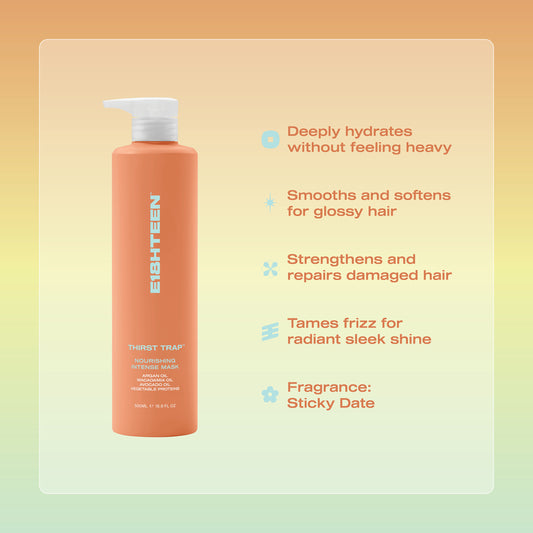
E18HTEEN Thirst Trap Nourishing Intense Mask 500ml
Regular price $19.95Sale price $19.95 Regular priceUnit price per$39.95Sale -
Natural Look Intensive Pro-Vitamin Leave-In Treatment 250ml
Regular price $17.06Sale price $17.06 Regular priceUnit price per$18.95Sale -
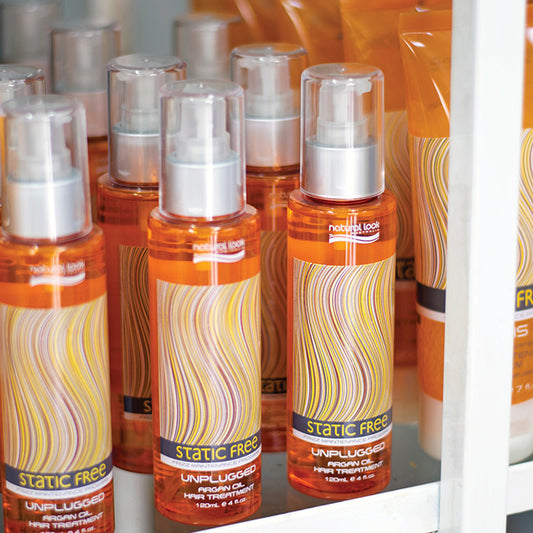
Natural Look Static Free Frizz Unplugged Argan Oil Hair Treatment 120ml
Regular price $25.11Sale price $25.11 Regular priceUnit price per$27.90Sale -
Brasil Cacau Kit 110ml
Regular price $66.90Sale price $66.90 Regular priceUnit price per$157.00Sale -
Hi Lift Cureplex No3 Bond Sustainer 100ml
Regular price $19.95Sale price $19.95 Regular priceUnit price per$29.95Sale -
Brasil Cacau EcoKeratin Treatment Kit 300ml
Regular price $148.00Sale price $148.00 Regular priceUnit price per$282.70Sale -
Hi Lift Cureplex No1 Bond Creator 500ml
Regular price $98.95Sale price $98.95 Regular priceUnit price per$171.30Sale -
Hi Lift Cureplex No3 Bond Sustainer 250ml
Regular price $25.95Sale price $25.95 Regular priceUnit price per$51.30Sale -
Hi Lift Cureplex No1 Bond Creator 100ml
Regular price $38.95Sale price $38.95 Regular priceUnit price per$71.30Sale -
Olaplex No.0 Intensive Bond Building Treatment 155ml
Regular price $44.95Sale price $44.95 Regular priceUnit price per$61.20Sale -
Natural Look X Ten Split Ends Polishing Milk 150ml
Regular price $17.06Sale price $17.06 Regular priceUnit price per$18.95Sale -
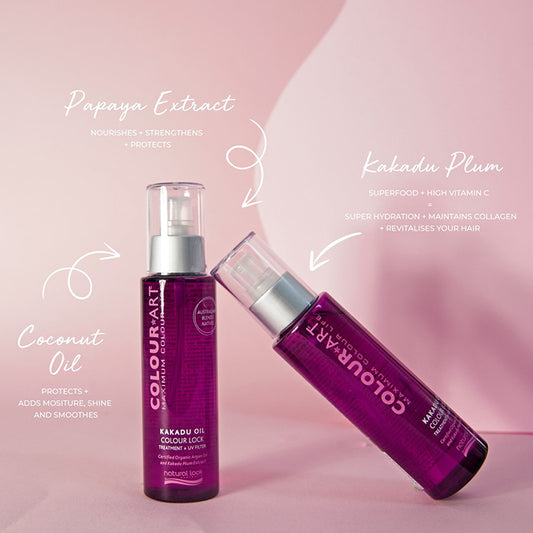
Natural Look Colour Art Kakadu Oil Treatment 120ml
Regular price $31.50Sale price $31.50 Regular priceUnit price per$35.00Sale -
Natural Look Colourance Shine Enhancing Mask Spray 250ml
Regular price $16.16Sale price $16.16 Regular priceUnit price per$17.95Sale -
Brasil Cacau Step 2 ECOKeratin Treatment 1L
Regular price $450.00Sale price $450.00 Regular priceUnit price per$1,100.00Sale -
Hi Lift Cureplex No2 Bond Fortifier 100ml
Regular price $31.23Sale price $31.23 Regular priceUnit price per$71.30Sale -
BKT Hydra Deep Hydration Hair Mask 300g
Regular price $70.00Sale price $70.00 Regular priceUnit price per$79.95Sale -
Hi Lift Cureplex No2 Bond Fortifier 500ml
Regular price $98.95Sale price $98.95 Regular priceUnit price per$171.30Sale -
Brasil Cacau Step 3 Deep Conditioning Mask 1L
Regular price $69.95Sale price $69.95 Regular priceUnit price per$188.40Sale -
Brasil Cacau Step 1 Anti Residue Shampoo 1L
Regular price $65.00Sale price $65.00 Regular priceUnit price per$125.60Sale -
H2B Collagen Treatment 500ml
Regular price $34.95Sale price $34.95 Regular priceUnit price per$44.95Sale -
BKT Perfect Ten Leave-In Treatment 300ml
Regular price $75.00Sale price $75.00 Regular priceUnit price per$89.95Sale -
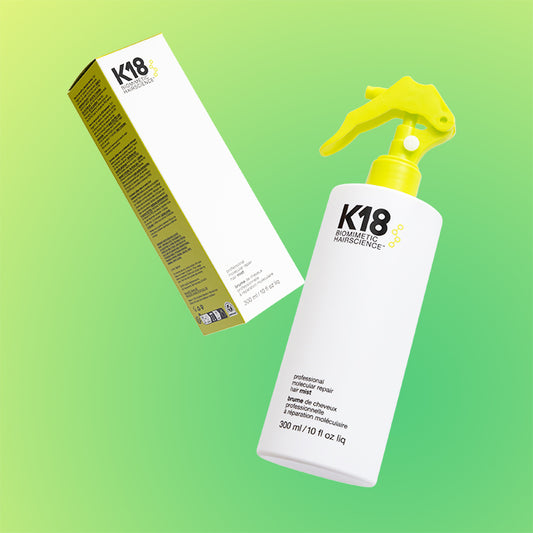
K18 Leave-In Molecular Repair Mist 300ml
Regular price $289.00Sale price $289.00 Regular priceUnit price per$300.00Sale -
Brasil Cacau NanoPLASTIA 110ml Kit
Regular price $69.95Sale price $69.95 Regular priceUnit price per$149.95Sale -
Brasil Cacau NanoPLASTIA 1L
Regular price $450.00Sale price $450.00 Regular priceUnit price per$550.00Sale -
Brasil Cacau NanoPLASTIA 300ml Kit
Regular price $168.95Sale price $168.95 Regular priceUnit price per$250.00Sale -
Skala Mais Cachos Perfect Curls 2 in 1 Hair Treatment Conditioning Cream 1000g
Regular price $14.95Sale price $14.95 Regular priceUnit price per$29.95Sale -
Skala Frutastica Coconut Treatment Cream 1000g
Regular price $14.95Sale price $14.95 Regular priceUnit price per$29.95Sale -
Matrix Opti Smooth Sensitized
Regular price $45.95Sale price $45.95 Regular priceUnit price per$52.50Sale -
Skala Frutastica Watermelon Treatment Cream 1000g
Regular price $14.95Sale price $14.95 Regular priceUnit price per$29.95Sale -


Skala Maracuja Passion Fruit & Amazonian Olive Oil 2 in 1 Hair Treatment Conditioning Cream 1000g
Regular price $19.95Sale price $19.95 Regular priceUnit price per$29.95Sale -
Skala Mais Lisos #Straighter 2 in 1 Hair Treatment Conditioning Cream 1000g
Regular price $14.95Sale price $14.95 Regular priceUnit price per$29.95Sale -
Skala Divine Curl Power 2 in 1 Hair Treatment Conditioning for Curly Hair 1000g
Regular price $19.95Sale price $19.95 Regular priceUnit price per$29.95Sale -
Kallos Keratin Hair Treatment Spray 200ml
Regular price $9.95Sale price $9.95 Regular priceUnit price per$15.95Sale -
Skala Mais Crespos #SuperCurly 2 in 1 Detangling Hair Treatment Conditioning Cream 1000g
Regular price $14.95Sale price $14.95 Regular priceUnit price per$29.95Sale -
Luxliss Tanino Smoothing Treatment 100ml
Regular price $35.98Sale price $35.98 Regular priceUnit price per$89.95Sale -
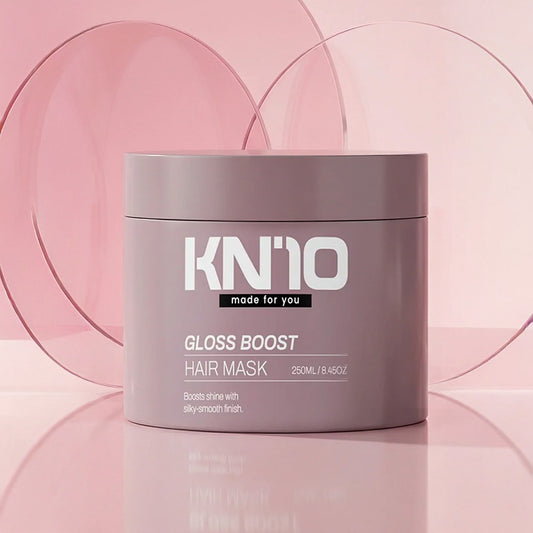
KN10 Gloss Boost Hair Mask 250ml
Regular price $49.95Sale price $49.95 Regular priceUnit price per$64.94Sale -
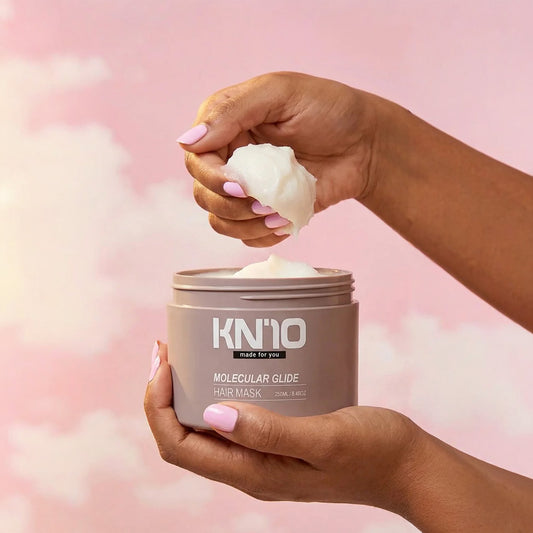
KN10 Molecular Glide Hair Mask 250ml
Regular price $49.95Sale price $49.95 Regular priceUnit price per$64.94Sale -
Redken All Soft Argan 6 Oil 100ml
Regular price $45.95Sale price $45.95 Regular priceUnit price per$59.74Sale -
Redken One United All-In-One Multi-Benefit Treatment 150ml
Regular price $42.30Sale price $42.30 Regular priceUnit price per$54.99Sale -
Skala Frutastica Banana Treatment Cream 1000g
Regular price $14.95Sale price $14.95 Regular priceUnit price per$29.95Sale














Your Questions Answered
For most frizzy hair, a leave in treatment. It stays on after you rinse and keeps smoothing until your next wash. Match the weight to your hair: a light spray for fine hair, a cream for thick or curly hair. That one choice decides whether you've found the best leave in treatment for frizzy hair or just a heavier one. If your frizz is mild, a leave in conditioner may be all you need.
A weekly mask plus a rich leave in cream on wash days. Dry hair frizzes because it's short on moisture, so it needs both. A hydrating hair mask puts moisture back in, and the leave in smooths the cuticle so it holds on to it. Skip light sprays here, as they won't do enough on dry hair. Apply both to damp hair, mid-lengths to ends.
For home use, a keratin mask once a week, then a leave in on wash days. Keratin is a protein that fills rough spots along the strand, so hair sits smoother. A salon keratin smoothing treatment is a different thing: a stylist applies it and seals it with heat, and it suits thick, coarse frizz. Fine hair can go stiff with too much protein, so use keratin less often.


