


-
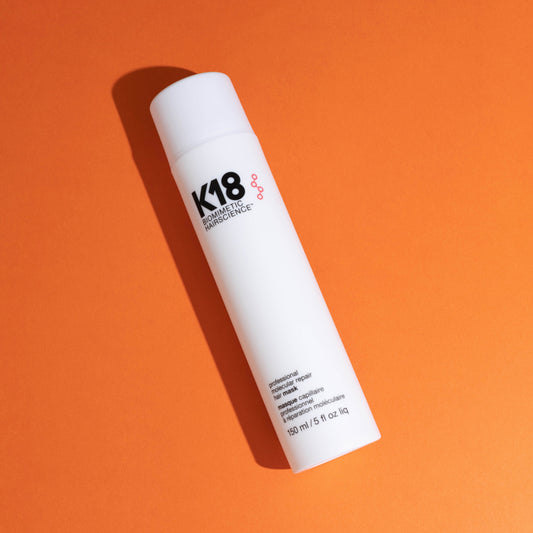
K18 Leave-In Molecular Repair Mask 150ml
Regular price $199.00Sale price $199.00 Regular priceUnit price per$199.00Sold out -
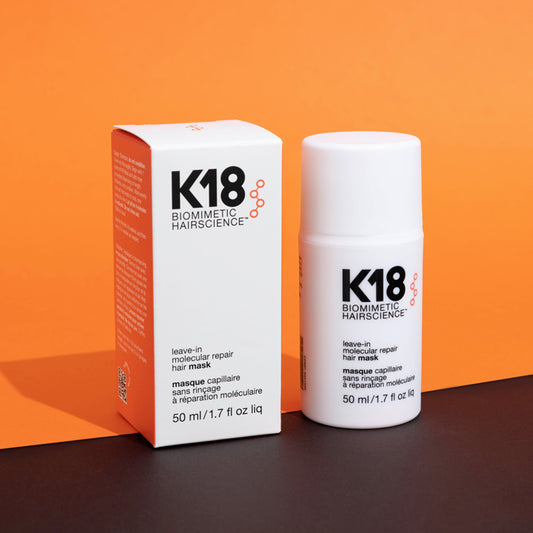
K18 Leave-In Molecular Repair Mask 50ml
Regular price $114.95Sale price $114.95 Regular priceUnit price per$114.95 -
Olaplex No.3 Hair Perfector Treatment 100ml
Regular price $60.00Sale price $60.00 Regular priceUnit price per$79.95Sale -
Natural Look Intensive Reconstructive Treatment 1L
Regular price $28.76Sale price $28.76 Regular priceUnit price per$31.95Sale -
Natural Look Intensive Pro-Vitamin Leave-In Treatment 250ml
Regular price $17.06Sale price $17.06 Regular priceUnit price per$18.95Sale -
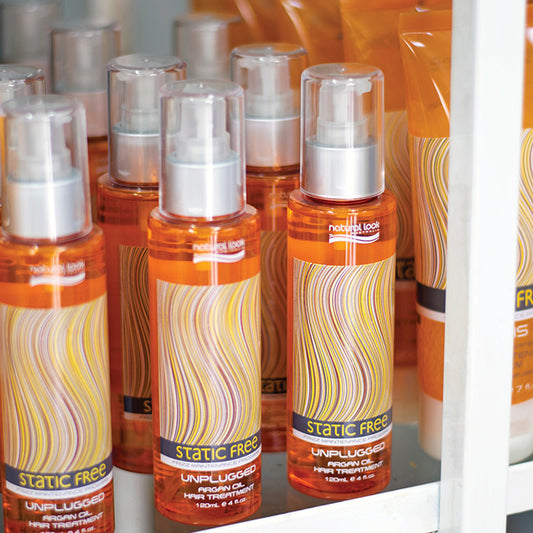
Natural Look Static Free Frizz Unplugged Argan Oil Hair Treatment 120ml
Regular price $25.11Sale price $25.11 Regular priceUnit price per$27.90Sale -
Brasil Cacau Kit 110ml
Regular price $66.90Sale price $66.90 Regular priceUnit price per$157.00Sale -
Brasil Cacau EcoKeratin Treatment Kit 300ml
Regular price $148.00Sale price $148.00 Regular priceUnit price per$282.70Sale -
Natural Look X Ten Extension Care Silky Lite Reconstructor 250ml
Regular price $17.06Sale price $17.06 Regular priceUnit price per$18.95Sale -
NK Goldilocks Reform Treatment Essence 200ml
Regular price $39.95Sale price $39.95 Regular priceUnit price per$59.95Sale -
Natural Look X Ten Split Ends Polishing Milk 150ml
Regular price $17.06Sale price $17.06 Regular priceUnit price per$18.95Sale -
Natural Look Purify Hair & Scalp Bio-Tonic Treatment 250ml
Regular price $17.06Sale price $17.06 Regular priceUnit price per$18.95Sale -
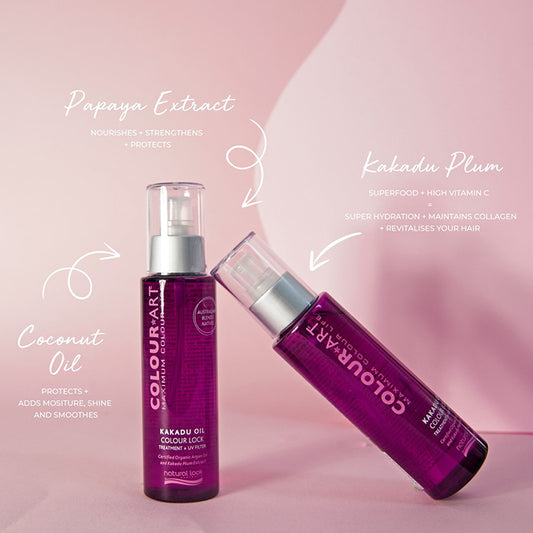
Natural Look Colour Art Kakadu Oil Treatment 120ml
Regular price $31.50Sale price $31.50 Regular priceUnit price per$35.00Sale -
Natural Look Expand Volumizing Leave-in Treatment 250ml
Regular price $16.16Sale price $16.16 Regular priceUnit price per$17.95Sale -
Natural Look Colourance Shine Enhancing Mask Spray 250ml
Regular price $16.16Sale price $16.16 Regular priceUnit price per$17.95Sale -
Brasil Cacau Step 2 ECOKeratin Treatment 1L
Regular price $450.00Sale price $450.00 Regular priceUnit price per$1,100.00Sale -
BKT Hydra Deep Hydration Hair Mask 300g
Regular price $70.00Sale price $70.00 Regular priceUnit price per$79.95Sale -
NK Goldilocks Liquid NA Miracle Treatment 250ml
Regular price $39.95Sale price $39.95 Regular priceUnit price per$59.95Sale -
Natural Look Purify Exfoliating Scalp Scrub 125ml
Regular price $19.76Sale price $19.76 Regular priceUnit price per$21.95Sale -
Brasil Cacau Step 3 Deep Conditioning Mask 1L
Regular price $69.95Sale price $69.95 Regular priceUnit price per$188.40Sale -
Brasil Cacau Step 1 Anti Residue Shampoo 1L
Regular price $65.00Sale price $65.00 Regular priceUnit price per$125.60Sale -
Natural Look Intensive Balsam pH 2.5 Finishing Rinse 1L
Regular price $27.86Sale price $27.86 Regular priceUnit price per$30.95Sale -
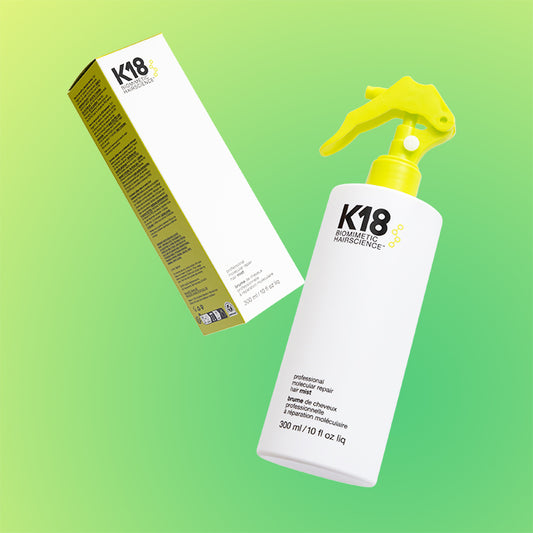
K18 Leave-In Molecular Repair Mist 300ml
Regular price $289.00Sale price $289.00 Regular priceUnit price per$300.00Sale -
Natural Look Intensive Balsam pH 2.5 Finishing Rinse 375ml
Regular price $17.06Sale price $17.06 Regular priceUnit price per$18.95Sale -
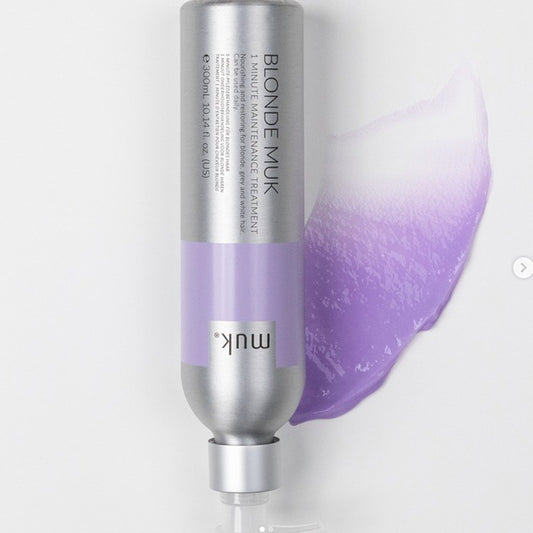
Muk Blonde Muk 1 Minute Treatment 200ml
Regular price $12.00Sale price $12.00 Regular priceUnit price per$29.95Sold out -
Skala Mais Cachos Perfect Curls 2 in 1 Hair Treatment Conditioning Cream 1000g
Regular price $14.95Sale price $14.95 Regular priceUnit price per$29.95Sale -
Skala Frutastica Coconut Treatment Cream 1000g
Regular price $14.95Sale price $14.95 Regular priceUnit price per$29.95Sale -
Skala Frutastica Watermelon Treatment Cream 1000g
Regular price $14.95Sale price $14.95 Regular priceUnit price per$29.95Sale -


Skala Maracuja Passion Fruit & Amazonian Olive Oil 2 in 1 Hair Treatment Conditioning Cream 1000g
Regular price $19.95Sale price $19.95 Regular priceUnit price per$29.95Sale -
Skala Divine Curl Power 2 in 1 Hair Treatment Conditioning for Curly Hair 1000g
Regular price $19.95Sale price $19.95 Regular priceUnit price per$29.95Sale -
Skala Mais Crespos #SuperCurly 2 in 1 Detangling Hair Treatment Conditioning Cream 1000g
Regular price $14.95Sale price $14.95 Regular priceUnit price per$29.95Sale -
Luxliss Tanino Smoothing Treatment 100ml
Regular price $35.98Sale price $35.98 Regular priceUnit price per$89.95Sale -
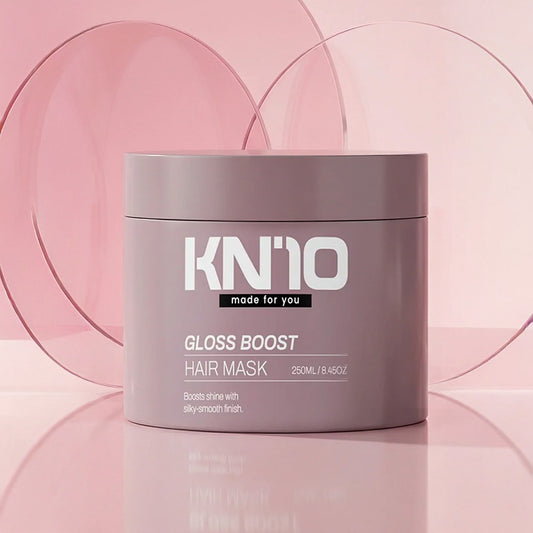
KN10 Gloss Boost Hair Mask 250ml
Regular price $49.95Sale price $49.95 Regular priceUnit price per$64.94Sale -
Skala Frutastica Banana Treatment Cream 1000g
Regular price $14.95Sale price $14.95 Regular priceUnit price per$29.95Sale -
Skala Frutastica Strawberry Treatment Cream 1000g
Regular price $14.95Sale price $14.95 Regular priceUnit price per$29.95Sale -
Skala #MoreCurls Kids 2 in 1 Treatment Cream 1000g
Regular price $14.95Sale price $14.95 Regular priceUnit price per$29.95Sale -
KN10 Repairmax Evermoist Spray 120ml
Regular price $27.95Sale price $27.95 Regular priceUnit price per$36.34Sale -
Skala #SuperCurly KidsTreatment Curly Hair Cream 1000g
Regular price $14.95Sale price $14.95 Regular priceUnit price per$29.95Sale -
Skala Frutastica Grape Treatment Cream 1000g
Regular price $14.95Sale price $14.95 Regular priceUnit price per$29.95Sale -
Skala Babosa Aloe Vera Hair Treatment Conditioning Cream 1000g
Regular price $14.95Sale price $14.95 Regular priceUnit price per$29.95Sale

















Your Questions Answered
A keratin treatment smooths curly hair and relaxes the curl. In the salon, the product is applied and then sealed in with a flat iron, which cuts frizz and leaves hair looser, sleeker and quicker to dry. How straight you go depends on the formula and your curl. If you want to keep your pattern and just tame frizz, a keratin conditioner at home smooths without the heat step.
Usually a few months, fading a little with every wash rather than all at once. How long you get depends on the formula, your curl and how you look after it. Strong shampoos, salt water and chlorine wear it down faster. Washing with a sulphate-free shampoo and going easy on hot tools helps you get the most out of it.
For most curly hair, the best treatment is a leave-in matched to your curl, backed by a weekly mask. When choosing the best leave in treatment for curly hair, go light for loose waves and richer for tight curls and coils. Then once a week, use a hair mask for deeper moisture. Salon services like keratin change your curl. At-home treatments look after it.
A moisture-rich leave-in cream on soaking-wet hair is the best everyday treatment for frizzy curls. Frizz is mostly dryness, so the fix is putting water in and keeping it there. Start in the shower with an anti-frizz conditioner, apply your leave-in before you towel off, then seal thicker curls with a few drops of oil. Hands off while it dries.
Mostly you wait. Keratin fades with washing, and your curl comes back as it does. Fresh growth at the roots will also come through with its natural pattern. Washing with a clarifying shampoo can speed the fade along, but go easy because it can be drying. In the meantime, scrunch in a curl cream on wet hair and diffuse to make the most of the curl you have.
A protein treatment strengthens curls by filling weak spots along the hair. It suits curls that feel limp, stretchy or mushy when wet, which often happens after colour or lightening. Too much tips the other way and leaves curls stiff and straw-like, so most curly hair does best alternating protein with moisture. A keratin mask every few weeks is an easy way to add protein at home.
Most keratin treatments are made to smooth and soften curl, not remove it, so tight curls often keep some pattern. It can also show through if the hair wasn't fully flat-ironed during the service, or was washed too soon or with harsh shampoo. Your stylist is the best person to look at it. At home, a gentle keratin shampoo and less salt water and chlorine help it last.


