


-
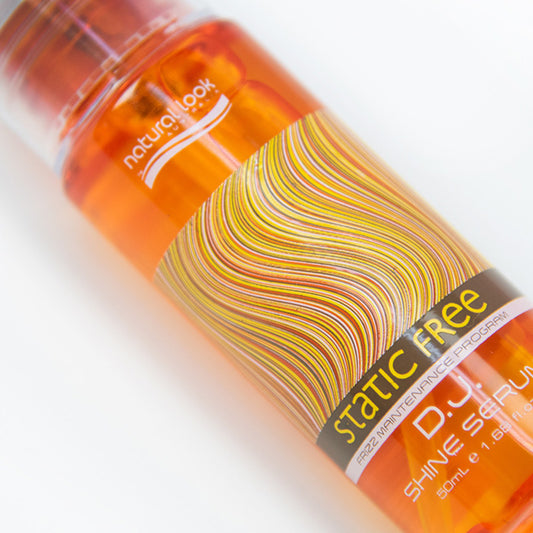
Natural Look Static Free Frizz Dj Shine Serum 50ml
Regular price $12.74Sale price $12.74 Regular priceUnit price per$17.70Sale -
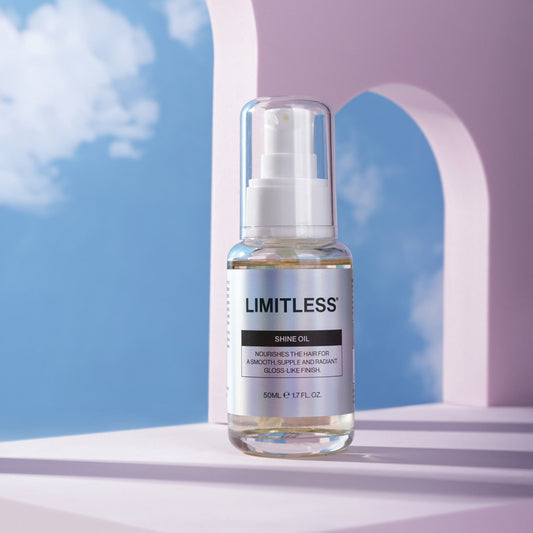
Limitless Shine Oil 50ml
Regular price $15.96Sale price $15.96 Regular priceUnit price per$27.95Sale -
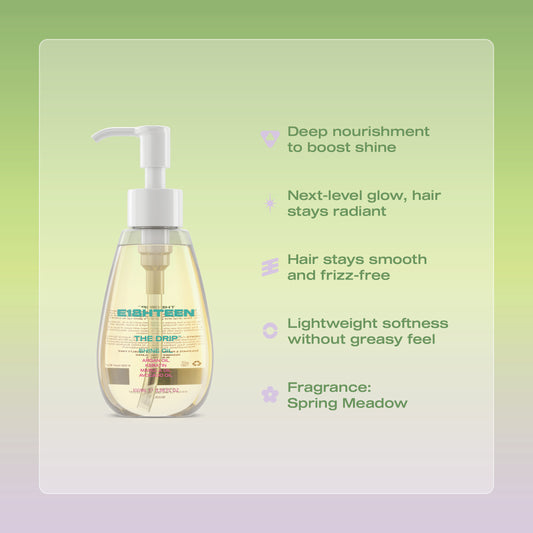
E18HTEEN The Drip Shine Oil 100ml
Regular price $11.96Sale price $11.96 Regular priceUnit price per$29.90Sale -
Olaplex No.7 Bonding Oil 30ml
Regular price $52.90Sale price $52.90 Regular priceUnit price per$60.00Sale -
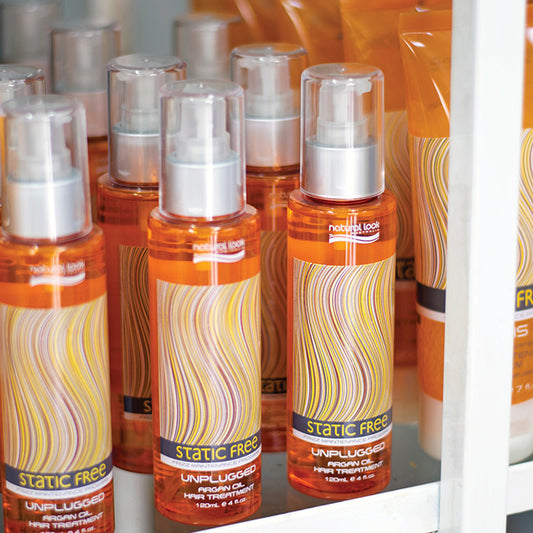
Natural Look Static Free Frizz Unplugged Argan Oil Hair Treatment 120ml
Regular price $25.11Sale price $25.11 Regular priceUnit price per$27.90Sale -
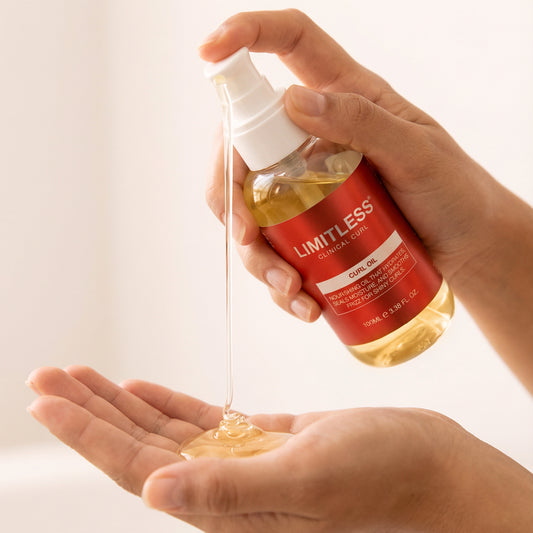
Limitless Clinical Curl Oil 100ml
Regular price $23.96Sale price $23.96 Regular priceUnit price per$29.95Sale -
NK Goldilocks Argan Oil Essence 100ml
Regular price $39.95Sale price $39.95 Regular priceUnit price per$49.95Sale -
Brasil Cacau Gradual Smooth Serum 215ml
Regular price $20.90Sale price $20.90 Regular priceUnit price per$53.30Sold out -
12 Reasons Argan Oil Serum 100ml
Regular price $23.95Sale price $23.95 Regular priceUnit price per$39.95Sale -
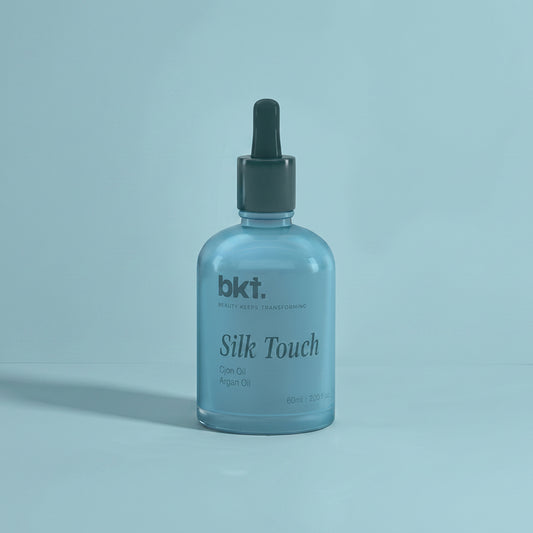
BKT Silk Touch Hair Oil 60ml
Regular price $78.00Sale price $78.00 Regular priceUnit price per$89.95Sale -
12 Reasons Keratin Serum 100ml
Regular price $23.95Sale price $23.95 Regular priceUnit price per$39.95Sale -
12 Reasons Marula Oil Serum 100ml
Regular price $24.95Sale price $24.95 Regular priceUnit price per$39.95Sale -
H2B Charcoal & Argan Oil 60ml
Regular price $23.95Sale price $23.95 Regular priceUnit price per$30.00Sale -

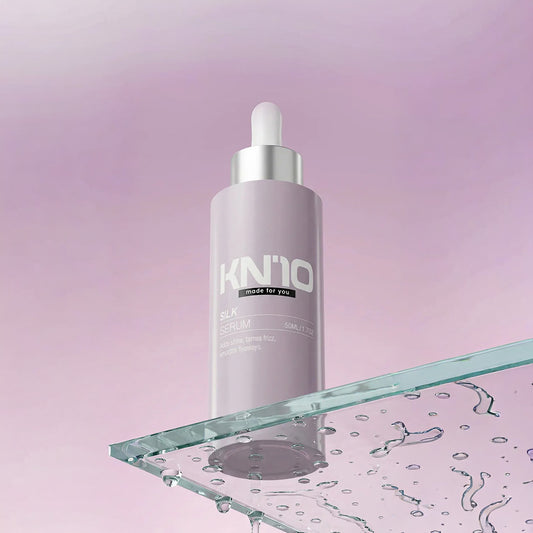 Sale
KN10 Silk Serum 50ml
Regular price $24.95Sale price $24.95 Regular priceUnit price per$32.44Sale -
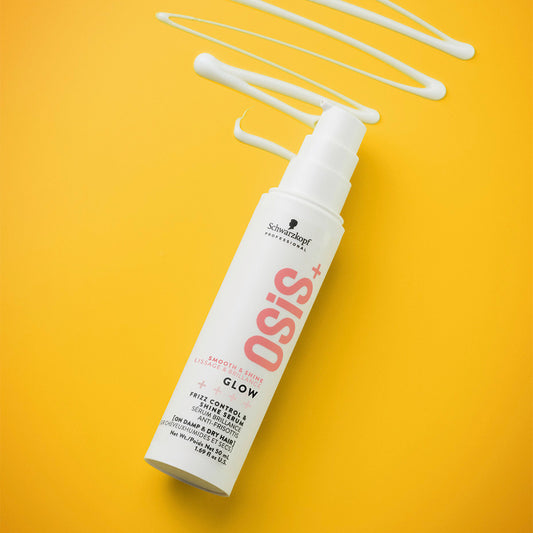
Schwarzkopf OSiS+ Glow Shine Serum 50ml
Regular price $24.95Sale price $24.95 Regular priceUnit price per$37.00Sale -
Georgiemane Anti-frizz Serum 100ml
Regular price $34.99Sale price $34.99 Regular priceUnit price per$42.99Sale -
K18 Molecular Repair Hair Oil 10ml
Regular price $39.95Sale price $39.95 Regular priceUnit price per$40.00Sale -
Elegance Hair Serum 120ml
Regular price $13.97Sale price $13.97 Regular priceUnit price per$19.95Sale -
LAB35 Indulging Nourishing Hair Oil 50ml
Regular price $12.95Sale price $12.95 Regular priceUnit price per$22.95Sale -
Skala Grape Shine 5 in 1 Hair Oil with Heat Protectant 90ml
Regular price $29.95Sale price $29.95 Regular priceUnit price per$29.95 -
Skala Watermelon Styling 5 in 1 Hair Oil with Heat Protectant 90ml
Regular price $29.95Sale price $29.95 Regular priceUnit price per$29.95 -
Skala Mais Cachos 72hr Anti Frizz 5 in 1 Hair Oil with Heat Protectant 90ml
Regular price $29.95Sale price $29.95 Regular priceUnit price per$49.95Sale -
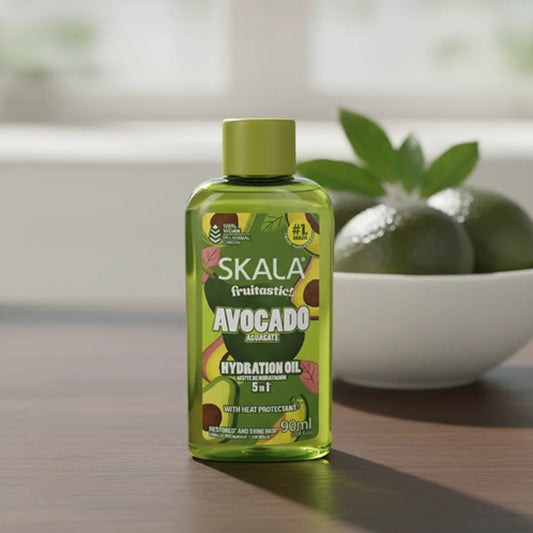
Skala Avocado Hydration 5 in 1 Hair Oil with Heat Protectant 90ml
Regular price $29.95Sale price $29.95 Regular priceUnit price per$29.95 -
Skala Passion Fruit Nourishing 5 in 1 Hair Oil with Heat Protectant 90ml
Regular price $29.95Sale price $29.95 Regular priceUnit price per$29.95 -
Design.ME Gloss.ME Hair Serum 25ml
Regular price $24.95Sale price $24.95 Regular priceUnit price per$29.95Sale -
Schwarzkopf Professional SESSION LABEL The Serum 100ml
Regular price $27.45Sale price $27.45 Regular priceUnit price per$43.00Sale -
Schwarzkopf Professional BLONDME Bondfinity Deep Repair Oil 50ml
Regular price $30.45Sale price $30.45 Regular priceUnit price per$40.00Sale -
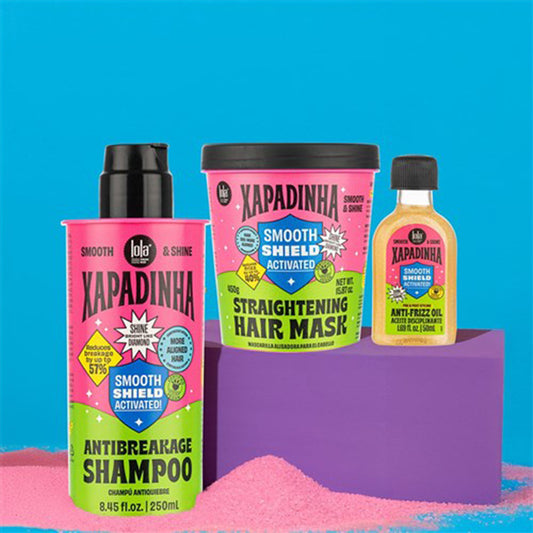
Lola Xapadinha Anti Frizz Hair Oil 50ml
Regular price $31.95Sale price $31.95 Regular priceUnit price per$31.95 -
L'Oréal Professionnel Keratin Alpha Sleek Serum 50ml
Regular price $66.67Sale price $66.67 Regular priceUnit price per$86.67Sale -
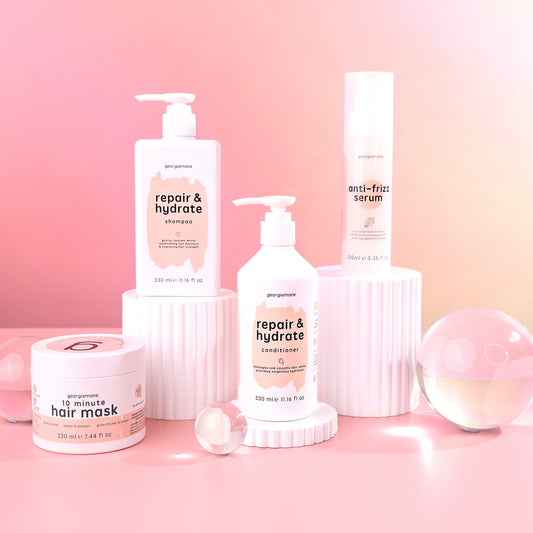
Georgiemane Hair Repair Bundle
Regular price $149.99Sale price $149.99 Regular priceUnit price per$154.96Sale




















Your Questions Answered
A richer oil, such as argan or a blend built around it, suits hair that's dry and frizzy. Dry hair has a rough surface, so it needs an oil with enough slip to smooth it down and soften the ends. Oil seals but doesn't add moisture, so put that in first with a leave-in conditioner, then work a few drops from mid-lengths to ends.
The best hair oil for frizzy hair is one matched to your hair's thickness. Fine hair needs a light oil or dry-oil spray on the ends only. Thick or coarse hair can take a richer oil worked through the lengths. If humidity is the main problem, a silicone-based serum keeps damp air out better than a pure plant oil. Start with a few drops and add more only if you need it.
Argan oil, or a blend built around it, is a good fit for frizzy, damaged hair because it smooths the surface without much weight. Damaged hair frizzes because its outer layer is worn and lets moisture in and out unevenly. Oil can't undo that damage, but it makes hair softer and smoother. Pair it with a repairing mask once a week.
A medium-weight oil applied to wet hair works best for frizzy curls. Curls frizz more because natural oil from the scalp struggles to travel down a curved strand, so the ends dry out first. Work a styling cream through first, then scrunch in a few drops of oil. Leave curls alone while they dry, because touching them breaks up the curl and brings the frizz back.
Use it on damp, towel-dried hair as the last step after washing. Warm two or three drops between your palms, then smooth it from mid-lengths to ends, keeping it off the roots. Spread it evenly with a wide-tooth comb. On dry hair, one drop is enough to tame flyaways during the day. Thick or long hair needs more, fine hair less.
Usually because it went onto hair that was already dry. Oil seals moisture in but doesn't add any, so the hair stays thirsty underneath and keeps pulling water from the air. Too little oil can't hold the surface down in humidity, and rubbing it through dry hair roughs the surface up. Apply it to damp hair after a hydrating conditioner, and press it in rather than rubbing.


