


-
Natural Look Static Free Frizz Dj Shine Serum 50ml
Regular price $15.93Sale price $15.93 Regular priceUnit price per$17.70Sale -
Limitless Shine Oil 50ml
Regular price $19.95Sale price $19.95 Regular priceUnit price per$27.95Sale -
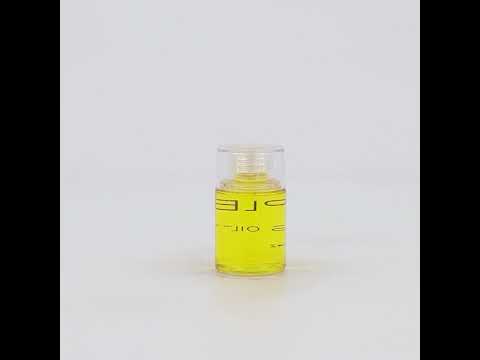
Olaplex No.7 Bonding Oil 30ml
Regular price $52.90Sale price $52.90 Regular priceUnit price per$60.00Sale -
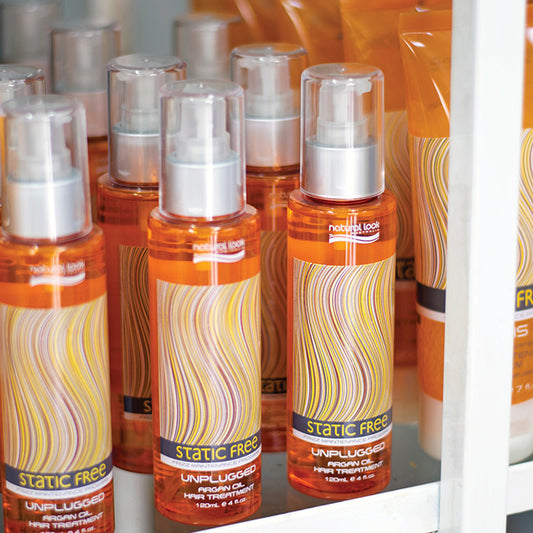
Natural Look Static Free Frizz Unplugged Argan Oil Hair Treatment 120ml
Regular price $25.11Sale price $25.11 Regular priceUnit price per$27.90Sale -
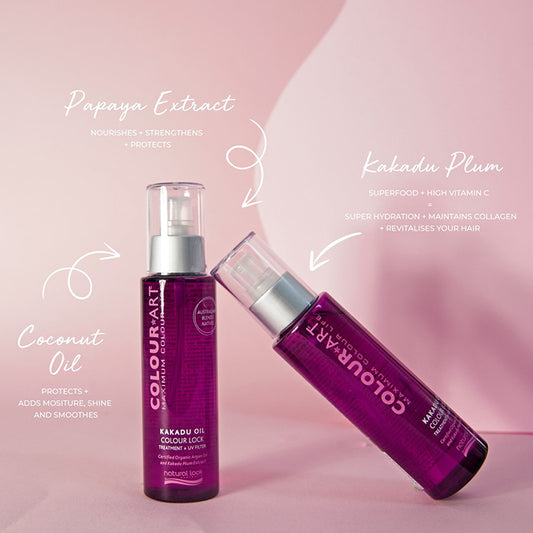
Natural Look Colour Art Kakadu Oil Treatment 120ml
Regular price $31.50Sale price $31.50 Regular priceUnit price per$35.00Sale -
Luxliss Keratin Heat Protecting Shine Mist 50ml
Regular price $18.38Sale price $18.38 Regular priceUnit price per$45.95Sale -
Luxliss Keratin Protein Replenish Hair Serum 50ml
Regular price $18.38Sale price $18.38 Regular priceUnit price per$45.95Sale -
Brasil Cacau Gradual Smooth Serum 215ml
Regular price $20.90Sale price $20.90 Regular priceUnit price per$53.30Sale -
12 Reasons Argan Oil Serum 100ml
Regular price $23.95Sale price $23.95 Regular priceUnit price per$39.95Sale -
BKT Silk Touch Hair Oil 60ml
Regular price $78.00Sale price $78.00 Regular priceUnit price per$89.95Sale -
12 Reasons Keratin Serum 100ml
Regular price $23.95Sale price $23.95 Regular priceUnit price per$39.95Sale -
12 Reasons Marula Oil Serum 100ml
Regular price $24.95Sale price $24.95 Regular priceUnit price per$39.95Sale -
Natural Look Silver Screen Ice Blonde Repair Serum 120ml
Regular price $25.16Sale price $25.16 Regular priceUnit price per$27.95Sale -
H2B Charcoal & Argan Oil 60ml
Regular price $23.95Sale price $23.95 Regular priceUnit price per$30.00Sale -
L'Oreal Professional Absolut Repair Oil 90ml
Regular price $29.95Sale price $29.95 Regular priceUnit price per$56.32Sale -
Redken Acidic Bonding Concentrate 24/7 Night and Day Serum 100ml
Regular price $69.95Sale price $69.95 Regular priceUnit price per$91.17Sale -
K18 Molecular Repair Hair Oil 10ml
Regular price $39.95Sale price $39.95 Regular priceUnit price per$40.00Sale -
L'Oréal Professionnel Metal Detox Oil 50ml
Regular price $48.95Sale price $48.95 Regular priceUnit price per$98.08Sale -
LAB35 Indulging Nourishing Hair Oil 50ml
Regular price $12.95Sale price $12.95 Regular priceUnit price per$22.95Sale -
Matrix Instacure Build-A-Bond Billion Bond Oil 50ml
Regular price $37.48Sale price $37.48 Regular priceUnit price per$48.72Sale -
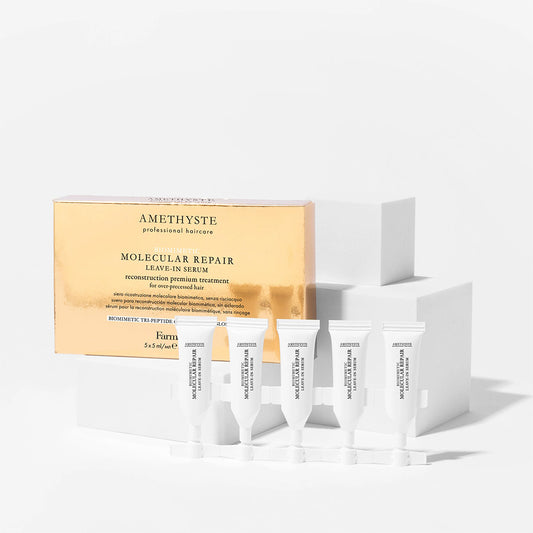
FarmaVita Amethyste Biomimetic Molecular Repair Leave-In Serum 5x5ml
Regular price $60.00Sale price $60.00 Regular priceUnit price per$78.00Sale -
Geogiemane Ultimate Repair & Growth Bundle
Regular price $199.99Sale price $199.99 Regular priceUnit price per$229.94Sale -
Georgiemane Hair Repair Bundle
Regular price $149.99Sale price $149.99 Regular priceUnit price per$154.96Sale -
E18HTEEN Glow Up Repair Trio
Regular price $39.95Sale price $39.95 Regular priceUnit price per$89.70Sale








Your Questions Answered
Yes, as a pre-wash treatment, but it's heavy for everyday use. Coconut oil is thick and goes solid when it's cool, so it suits thick, coarse or very dry hair better than fine hair, which it tends to flatten. Warm a small amount in your hands, coat the dry lengths, leave it for half an hour, then wash it out well. For a daily finish, a lighter oil made for hair is easier to work with.
The best hair oil for damaged hair is a light oil or serum if your hair is fine, and a richer oil if it's thick or coarse. Argan oil is a good all-rounder because it softens and adds shine without much weight. Whichever you choose, use it on damp mid-lengths and ends, and add a repairing mask once a week if bleach or heat caused the damage.
A richer oil is best for hair that's both damaged and dry, especially if it's thick or coarse. Look for one that sinks in instead of sitting on top, and apply it to damp lengths straight after conditioning so it helps hold moisture in. If your hair is fine, use a lighter oil and less of it. For more moisture underneath the oil, use a hydrating conditioner.
Yes. Moroccan oil usually means argan oil, which comes from Morocco, and it's a common choice for damaged hair. It's fairly light, so it softens dry ends, smooths frizz and adds shine without much greasiness. It won't mend hair that's already broken, so if your hair is snapping, start with a hair treatment and use argan oil to finish.
Use castor oil sparingly as a weekly pre-wash treatment, because it's very thick and sticky. Mix a few drops with a lighter oil, work it through dry ends, leave it for half an hour or so, then wash it out with a clarifying shampoo so it doesn't leave residue. For everyday use on damaged hair, a light hair oil or serum is easier to manage and won't weigh hair down.
Olive oil can soften dry, damaged ends, but it's heavy and hard to wash out, so it works better as an occasional pre-wash treatment than a daily product. Coat the lengths, leave it for half an hour, then wash it out well. For everyday smoothing and shine, an oil or serum made for hair gives a lighter finish, and a weekly hydrating hair mask does more for dryness.


