Best Hair Oil for Hydration
The best hair oil for hydration is one that suits the thickness of your hair and goes on after the water is already in. Here's the honest bit first: oil doesn't add moisture. Water does. What a good oil does is sit on the outside of the hair and slow that moisture from leaving, so hair stays softer for longer between washes. Get the order right and a few drops do a lot of work.
Get the water in first
Hydration starts in the shower. A moisturising conditioner after every wash puts water and conditioning back into the hair, and a mask once a week goes further for hair that feels dry all the time. If your hair is rough and straw-like, start with our hydrating conditioner range and a hydrating hair mask before you spend on oil. Oil on top of dry hair just gives you dry hair that looks greasy.
Then seal it in with oil
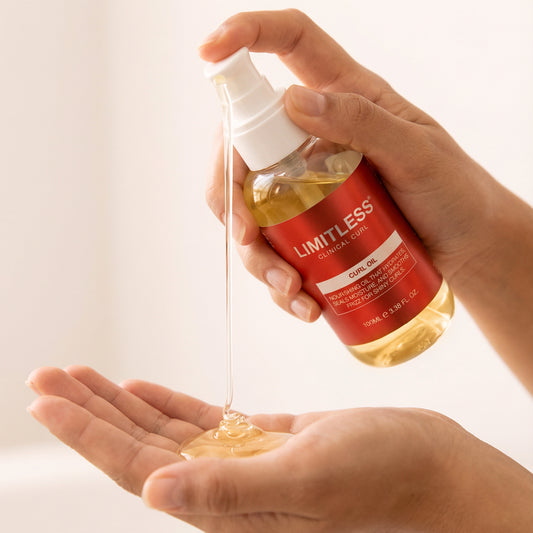
Apply oil to damp, towel-dried hair, from the mid-lengths to the ends. The ends are the oldest and driest part of the hair, so they need it most. Roots rarely need any. Start with a few drops, warm them between your palms and work them through. You can always add more; taking it out means another wash. A drop or two on dry ends between washes also helps hair that dries out by day three.
Match the oil to your hair
The weight of the oil matters more than what's on the label.
-
Fine or straight hair: go light. Lightweight and dry oils sink in fast and don't drag hair flat. Use less than you think. The lighter options sit under the best hair oil for straight hair.
-
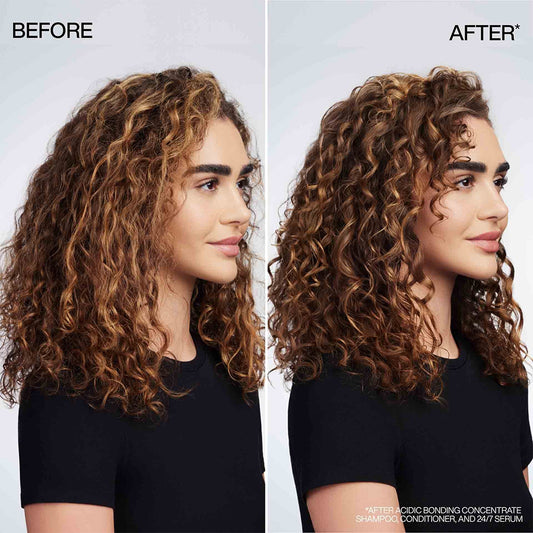
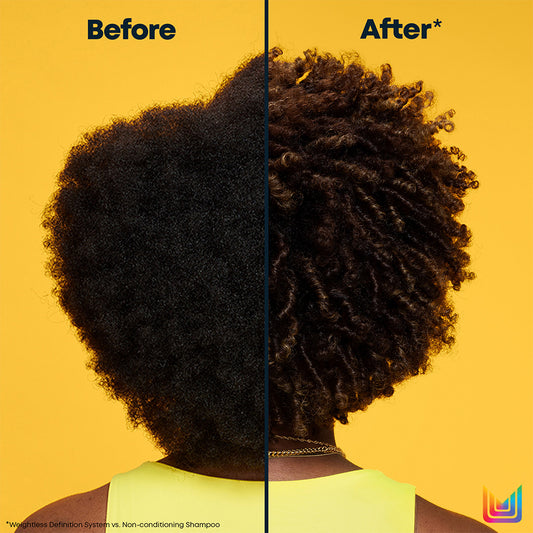
Thick, coarse or curly hair: richer oils last longer on hair that soaks product up. Curls also tend to run dry because the scalp's natural oil struggles to travel down a curl. Compare options for the best hair oil for curly hair.
-
Dry hair: if hair still feels dry straight after conditioning, the routine needs work before the oil does. Once it's sorted, a medium-weight hair oil for dry hair keeps it that way.
-
Damaged or coloured hair: bleach, colour and heat rough up the outside of the hair, so it loses moisture faster. Oil helps hold on to what your conditioner puts in, but it doesn't repair anything. Pair it with a mask, and see the best hair oil for damaged hair for options built for that job.
Argan, blends or serums?
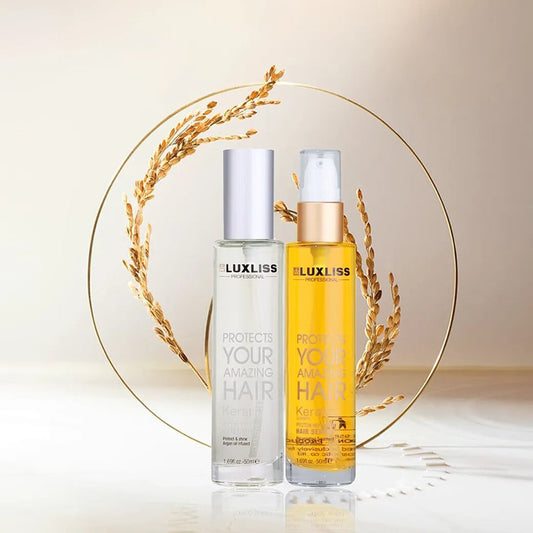
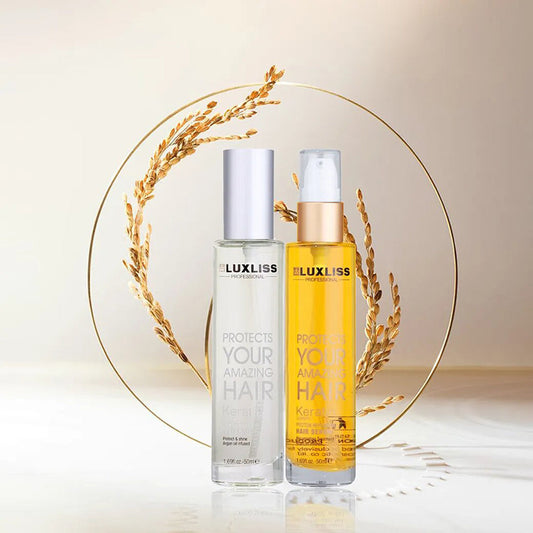
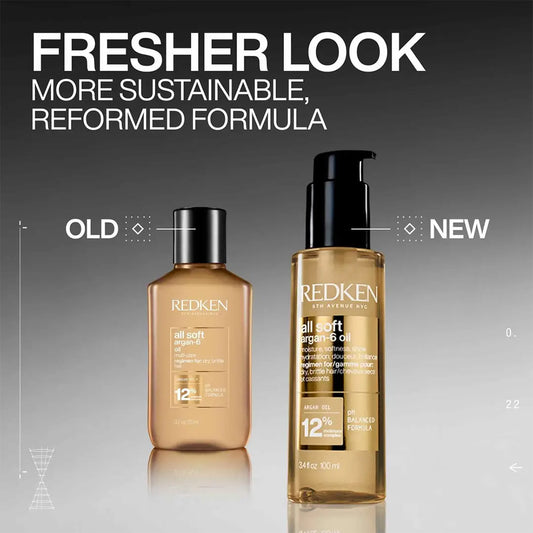
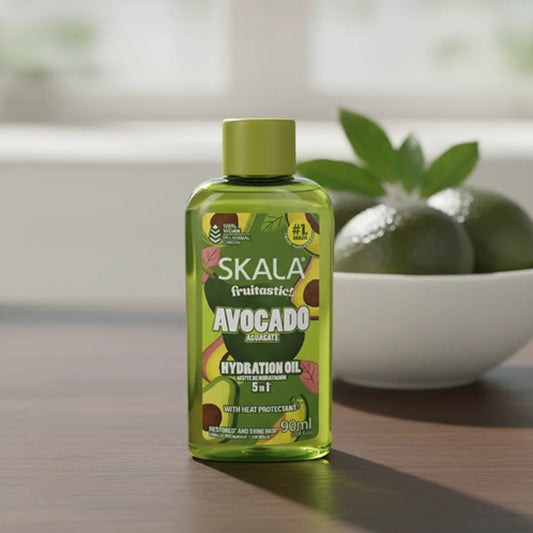
Argan is the oil most people know. It sits in the middle on weight, works on most hair types and is a sensible place to start; the best argan oil for hair pulls those together. Blended oils mix several oils, often with lighter ingredients so they spread easily and feel less heavy. Silicone serums aren't oils, but they do a similar job on the surface: they coat the hair, smooth it and slow moisture loss. Plenty of products sold as hair oil are a mix of both. If you want the lightest feel, a serum-style blend is usually the answer. If you have thick or very dry hair, look for a richer oil near the top of the ingredient list.
What oil won't do
Oil won't fix dry hair on its own, and more isn't better. Too much leaves hair limp, greasy and harder to style, and it builds up over time. If your hair starts to feel coated, a clarifying wash gets it back to clean so you can start again with less.
If you only want to buy one thing for dry hair, buy the mask. Oil is the second step, not the first.
We stock salon-quality oils across a wide range of brands, so you can compare weights, sizes and prices in one place. Browse all hair serums and oils to see the full range.
You may also like
best hair oil for frizzy hair | best hair oil for dry frizzy hair | hair oil for dull hair | best argan oil for curly hair | best hair oil for split ends | hair oil for wavy hair | best hair oil for dry damaged hair