


-
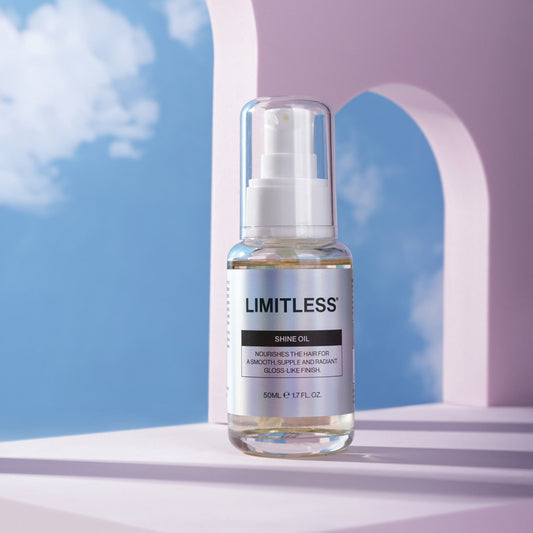
Limitless Shine Oil 50ml
Regular price $19.95Sale price $19.95 Regular priceUnit price per$27.95Sale -
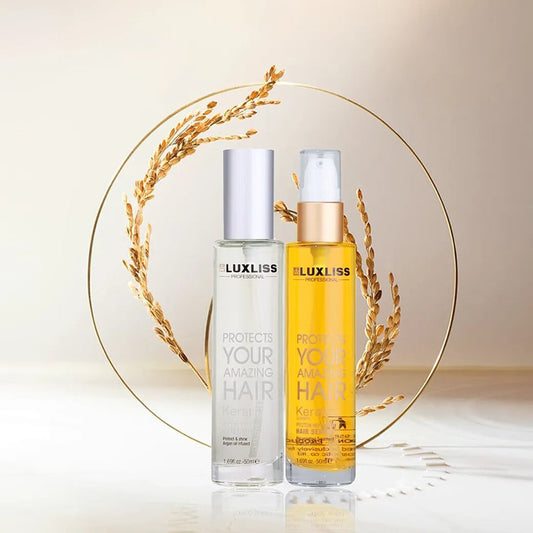
Luxliss Keratin Heat Protecting Shine Mist 50ml
Regular price $18.38Sale price $18.38 Regular priceUnit price per$45.95Sale -
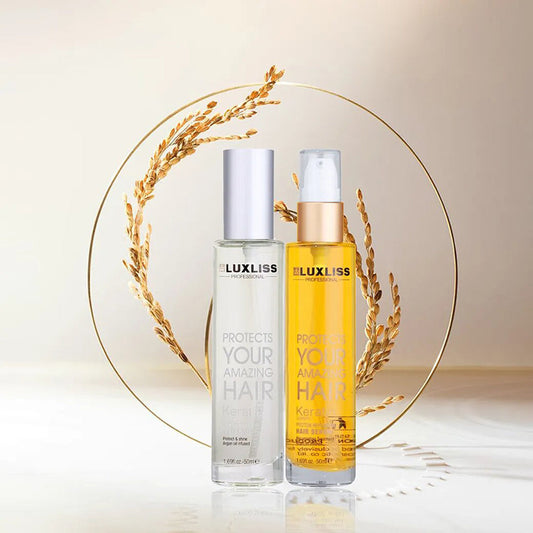
Luxliss Keratin Protein Replenish Hair Serum 50ml
Regular price $18.38Sale price $18.38 Regular priceUnit price per$45.95Sale -
Brasil Cacau Gradual Smooth Serum 215ml
Regular price $20.90Sale price $20.90 Regular priceUnit price per$53.30Sale -
12 Reasons Argan Oil Serum 100ml
Regular price $23.95Sale price $23.95 Regular priceUnit price per$39.95Sale -
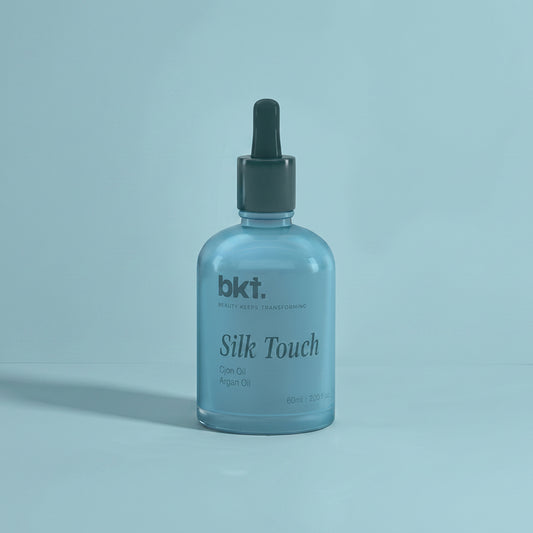
BKT Silk Touch Hair Oil 60ml
Regular price $78.00Sale price $78.00 Regular priceUnit price per$89.95Sale -
12 Reasons Keratin Serum 100ml
Regular price $23.95Sale price $23.95 Regular priceUnit price per$39.95Sale -
12 Reasons Marula Oil Serum 100ml
Regular price $24.95Sale price $24.95 Regular priceUnit price per$39.95Sale -
H2B Charcoal & Argan Oil 60ml
Regular price $23.95Sale price $23.95 Regular priceUnit price per$30.00Sale -
L'Oreal Professional Absolut Repair Oil 90ml
Regular price $29.95Sale price $29.95 Regular priceUnit price per$56.32Sale -
K18 Molecular Repair Hair Oil 10ml
Regular price $39.95Sale price $39.95 Regular priceUnit price per$40.00Sale -
LAB35 Indulging Nourishing Hair Oil 50ml
Regular price $12.95Sale price $12.95 Regular priceUnit price per$22.95Sale -
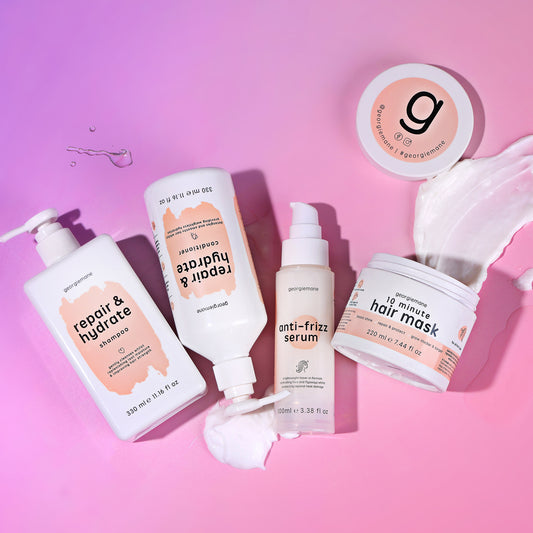
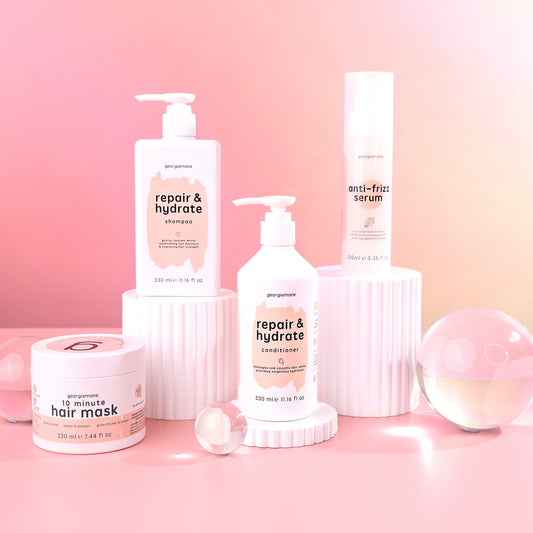
Geogiemane Ultimate Repair & Growth Bundle
Regular price $199.99Sale price $199.99 Regular priceUnit price per$229.94Sale -
Georgiemane Hair Repair Bundle
Regular price $149.99Sale price $149.99 Regular priceUnit price per$154.96Sale -
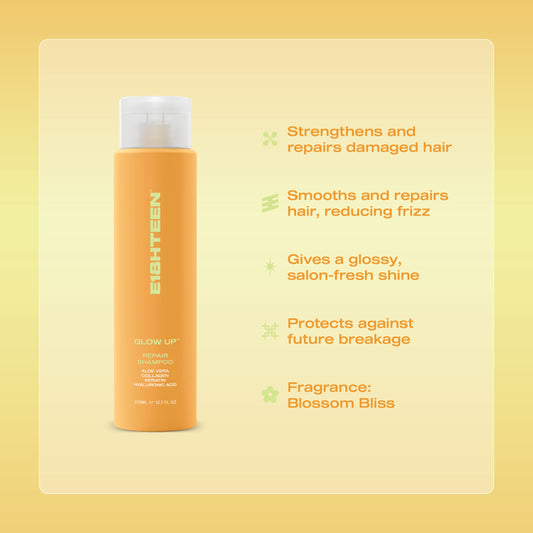
E18HTEEN Glow Up Repair Trio
Regular price $39.95Sale price $39.95 Regular priceUnit price per$89.70Sale












Your Questions Answered
For most people, argan oil is where we'd start. It's light enough for fine to medium hair and rich enough to soften rough, dry ends. Very thick or coarse hair may want a heavier blend. Whichever you choose, the best hair oil for dry damaged hair still needs the right method: a few drops on damp mid-lengths and ends, straight after conditioner, kept off the roots.


