


-
Natural Look Static Free Frizz Dj Shine Serum 50ml
Regular price $15.93Sale price $15.93 Regular priceUnit price per$17.70Sale -
E18HTEEN The Drip Shine Oil 100ml
Regular price $14.95Sale price $14.95 Regular priceUnit price per$29.90Sale -
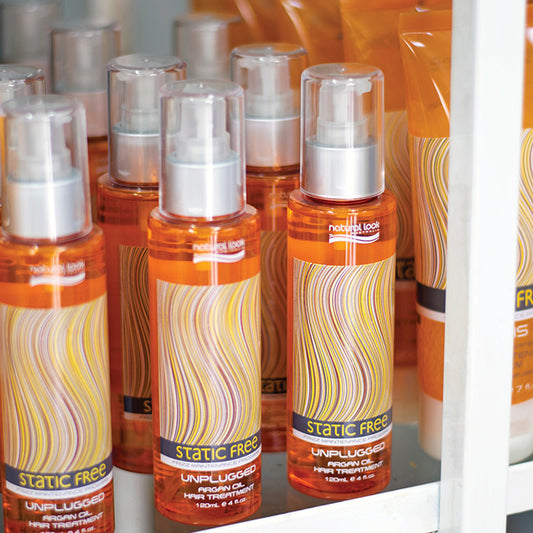
Natural Look Static Free Frizz Unplugged Argan Oil Hair Treatment 120ml
Regular price $25.11Sale price $25.11 Regular priceUnit price per$27.90Sale -
Limitless Clinical Curl Oil 100ml
Regular price $29.95Sale price $29.95 Regular priceUnit price per$29.95 -
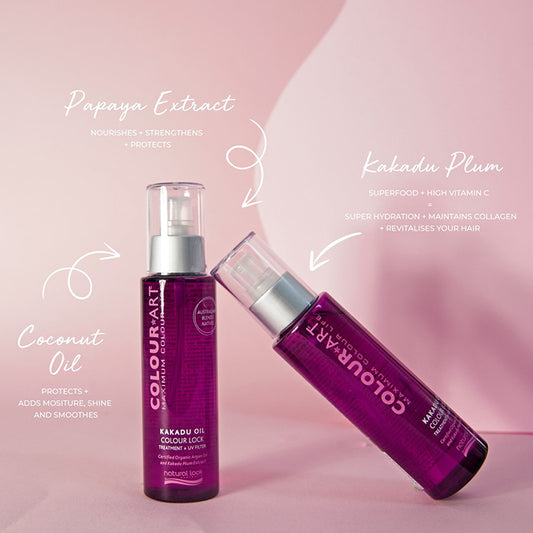
Natural Look Colour Art Kakadu Oil Treatment 120ml
Regular price $31.50Sale price $31.50 Regular priceUnit price per$35.00Sale -
NK Goldilocks Argan Oil Essence 100ml
Regular price $39.95Sale price $39.95 Regular priceUnit price per$49.95Sale -
Luxliss Keratin Heat Protecting Shine Mist 50ml
Regular price $18.38Sale price $18.38 Regular priceUnit price per$45.95Sale -
Luxliss Keratin Protein Replenish Hair Serum 50ml
Regular price $18.38Sale price $18.38 Regular priceUnit price per$45.95Sale -
12 Reasons Argan Oil Serum 100ml
Regular price $23.95Sale price $23.95 Regular priceUnit price per$39.95Sale -
BKT Silk Touch Hair Oil 60ml
Regular price $78.00Sale price $78.00 Regular priceUnit price per$89.95Sale -
12 Reasons Marula Oil Serum 100ml
Regular price $24.95Sale price $24.95 Regular priceUnit price per$39.95Sale -
Natural Look Silver Screen Ice Blonde Repair Serum 120ml
Regular price $25.16Sale price $25.16 Regular priceUnit price per$27.95Sale -
H2B Charcoal & Argan Oil 60ml
Regular price $23.95Sale price $23.95 Regular priceUnit price per$30.00Sale -
Redken All Soft Argan 6 Oil 100ml
Regular price $45.95Sale price $45.95 Regular priceUnit price per$59.74Sale -

 Sale
KN10 Silk Serum 50ml
Regular price $24.95Sale price $24.95 Regular priceUnit price per$32.44Sale -
Design.ME Gloss.ME Hair Serum 25ml
Regular price $24.95Sale price $24.95 Regular priceUnit price per$29.95Sale






Your Questions Answered
Yes, argan oil is good for most hair types, as long as you use the right amount. It smooths the outer layer of the hair, which helps calm frizz, adds shine and makes dry ends feel softer. It's a mid-weight oil, so fine hair needs only a drop or two on the ends, while thick or curly hair can take more. Moroccan oil and argan oil are the same oil.
No, argan oil doesn't make hair grow faster. Growth starts at the root, and oil works on the lengths you already have. What it can do is help you keep that length: smoother, softer ends are less likely to snag and snap when you brush or style. If longer hair is the goal, regular trims and a little oil on the ends will do more than oil on the scalp.
Warm a few drops between your palms and work them through the mid-lengths and ends, keeping the oil away from your roots. On damp hair, it helps control frizz while you blow-dry or air-dry. On dry hair, use a smaller amount to smooth flyaways and add shine. For very dry hair, you can also mix a few drops into a hair mask before you rinse.
Argan oil coats the outer layer of the hair and smooths it down, so hair looks shinier and feels softer. That coating also helps keep frizz in check and makes dry, rough ends easier to brush through. It doesn't repair broken hair or change how your hair grows. Think of it as a finisher: it makes healthy hair look better and tired ends look tidier.
Yes, but use less of it. Low porosity hair has a tightly closed outer layer, so oil tends to sit on top rather than soak in, and too much leaves hair greasy. Apply one or two drops to damp hair straight after the shower, while it's still warm. A lighter argan serum is often easier to get right than pure oil.
Put argan oil in damp hair after washing, before you blow-dry or let it air-dry. That's when it does the most for frizz and spreads most evenly. You can also use a drop on dry hair at the end of styling to smooth flyaways, or on dry ends between washes. For very dry hair, leave it on the ends overnight and wash it out in the morning.
Most people can use argan oil every time they wash, on damp hair, plus a touch on dry ends between washes if needed. Fine or oily hair may only need it two or three times a week. If your hair starts to feel heavy, limp or greasy, you're using too much or too often, so cut back on drops before you cut back on days.
The best argan oil for hair is the one that suits your hair's thickness. Pure argan oil works well on thick, dry or curly hair that can handle the weight. An argan serum or oil blend with silicones feels lighter, spreads more easily and suits fine or straight hair. Check the ingredient list too: argan should sit near the top, not at the very end.
You can buy argan oil for hair at AMR, which stocks pure oils, serums and blends from professional hair brands in one place, so you can compare them side by side. AMR delivers Australia-wide. If you're not sure which one suits you, start with your hair type: a lighter blend for fine hair, pure oil for thick or dry hair.
Start with one or two drops for fine or short hair, three or four for shoulder-length hair, and a little more for long, thick or curly hair. Warm it between your palms first, then apply from the ends up. It's much easier to add another drop than to wash out too much, so build up slowly until your hair feels smooth, not coated.


