


-
Fanola No Yellow Vegan Mask Sulfate Free 350ml
Regular price $19.95Sale price $19.95 Regular priceUnit price per$39.90Sale -
Natural Look Static Free Anti Frizz Reconstructive Mask 1L
Regular price $28.95Sale price $28.95 Regular priceUnit price per$39.95Sale -
Fanola No Orange Vegan Mask Sulfate Free 350ml
Regular price $24.95Sale price $24.95 Regular priceUnit price per$39.90Sale -
L'Oreal Professionnel Blondifier Masque 500ml
Regular price $57.95Sale price $57.95 Regular priceUnit price per$109.82Sale -
Dumb Blonde No Yellow Mask 1L
Regular price $19.95Sale price $19.95 Regular priceUnit price per$49.95Sale -
Dumb Blonde No Yellow Mask 375ml
Regular price $9.95Sale price $9.95 Regular priceUnit price per$29.95Sale -
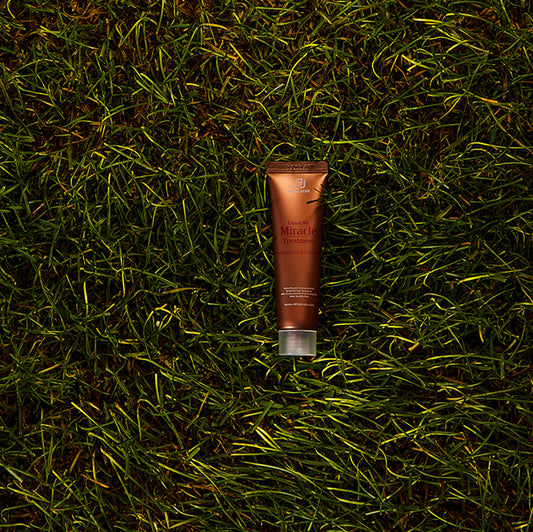
NK Goldilocks Liquid NA Miracle Treatment 250ml
Regular price $39.95Sale price $39.95 Regular priceUnit price per$59.95Sale -
Olaplex No.3 Hair Perfector Treatment 100ml
Regular price $60.00Sale price $60.00 Regular priceUnit price per$79.95Sale -
Olaplex No.0 Intensive Bond Building Treatment 155ml
Regular price $44.95Sale price $44.95 Regular priceUnit price per$61.20Sale -
12 Reasons Keratin Mask 250ml
Regular price $24.95Sale price $24.95 Regular priceUnit price per$26.50Sale -
12 Reasons Argan Oil Mask 250ml
Regular price $22.95Sale price $22.95 Regular priceUnit price per$26.50Sale -
12 Reasons Marula Oil Mask 250ml
Regular price $22.53Sale price $22.53 Regular priceUnit price per$26.50Sale -
Evo Repair Mane Attention Protein Treatment 1L
Regular price $79.86Sale price $79.86 Regular priceUnit price per$181.50Sale -
RefectoCil Protection Cream and Eye Mask 75ml
Regular price $14.75Sale price $14.75 Regular priceUnit price per$23.55Sale -
Fanola Color Mask Clover Green Colouring Mask 30ml
Regular price $0.50Sale price $0.50 Regular priceUnit price per$7.90Sale -
Fanola Color Mask Golden Aura Colouring Mask 30ml
Regular price $0.50Sale price $0.50 Regular priceUnit price per$7.90Sale -
Eleven Australia Keep My Colour Treatment Blonde 200ml
Regular price $10.00Sale price $10.00 Regular priceUnit price per$42.75Sale -
Eleven Australia Keep My Colour Treatment Blonde 960ml
Regular price $20.00Sale price $20.00 Regular priceUnit price per$117.00Sale -
Olaplex No.8 Bond Intense Moisture Mask 100ml
Regular price $49.95Sale price $49.95 Regular priceUnit price per$59.40Sale -
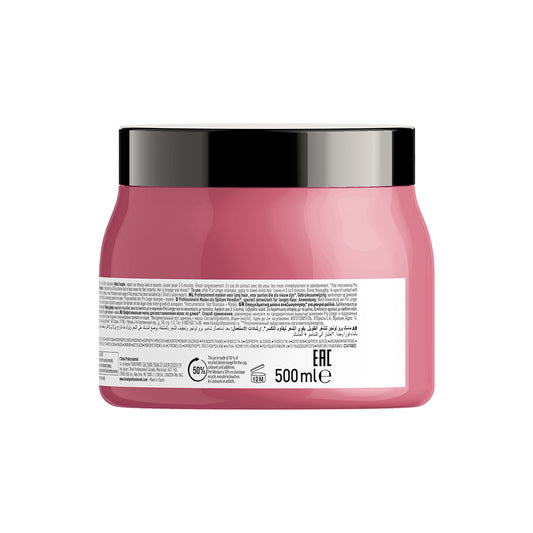
L'Oréal Professionnel Pro Longer Mask 500mL
Regular price $57.95Sale price $57.95 Regular priceUnit price per$109.82Sale -
AMR Professional Intense Treatment 5L
Regular price $40.00Sale price $40.00 Regular priceUnit price per$79.90Sale -
BKT Hydra Deep Hydration Hair Mask 300g
Regular price $70.00Sale price $70.00 Regular priceUnit price per$79.95Sale -
Fanola No Orange Mask 350ml
Regular price $12.95Sale price $12.95 Regular priceUnit price per$37.90Sale -
Fanola No Yellow Mask 1L
Regular price $9.95Sale price $9.95 Regular priceUnit price per$57.90Sale -
Fanola No Yellow Mask 350ml
Regular price $4.95Sale price $4.95 Regular priceUnit price per$37.90Sale -
Fanola No Orange Mask 1L
Regular price $19.95Sale price $19.95 Regular priceUnit price per$57.90Sale -
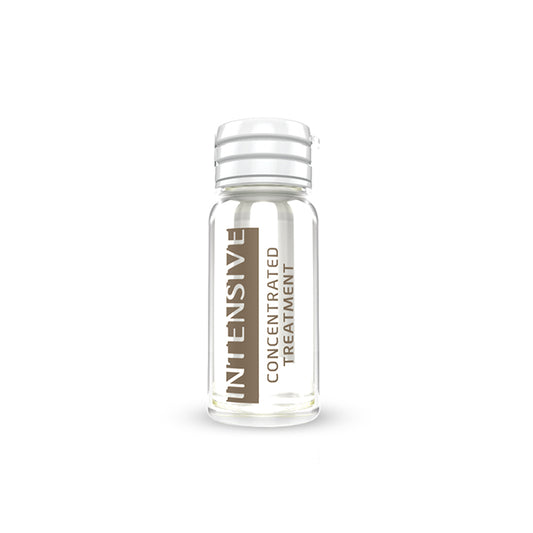
Natural Look Intensive Concentrated Treatment 12vials x 10ml
Regular price $49.95Sale price $49.95 Regular priceUnit price per$56.70Sale -
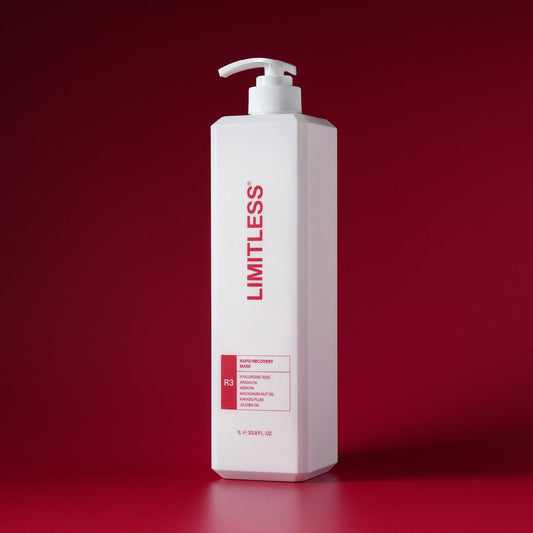
Limitless R3 Rapid Recovery Mask 500ml
Regular price $27.95Sale price $27.95 Regular priceUnit price per$27.95 -
Limitless R3 Rapid Recovery Mask 1L
Regular price $42.95Sale price $42.95 Regular priceUnit price per$42.95 -
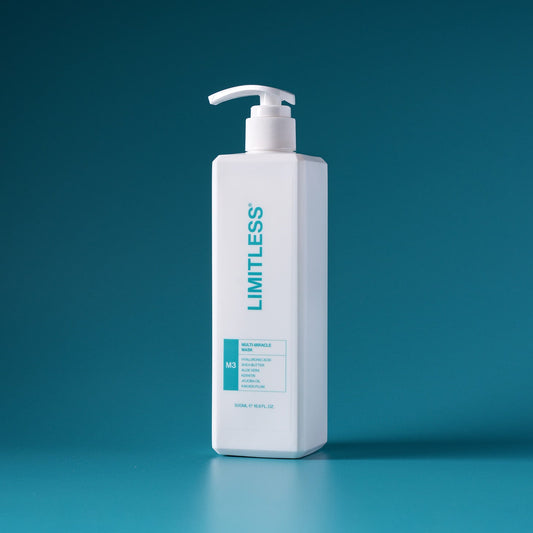
Limitless M3 Multi-Miracle Mask 500ml
Regular price $27.95Sale price $27.95 Regular priceUnit price per$27.95 -
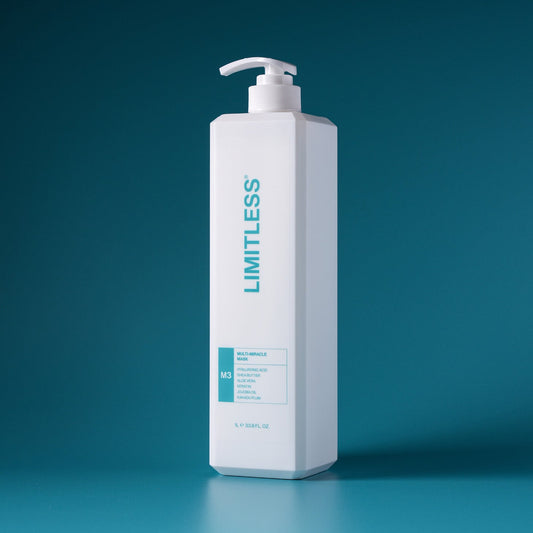
Limitless M3 Multi-Miracle Mask 1L
Regular price $42.95Sale price $42.95 Regular priceUnit price per$42.95 -
Natural Look Purify Hair & Scalp Bio-Tonic Treatment 250ml
Regular price $13.95Sale price $13.95 Regular priceUnit price per$17.70Sale -
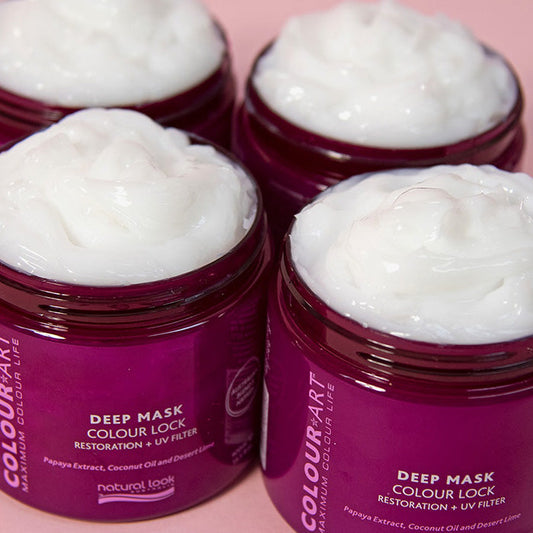
Natural Look Colour Art Deep Mask 980ml
Regular price $33.95Sale price $33.95 Regular priceUnit price per$53.65Sale -
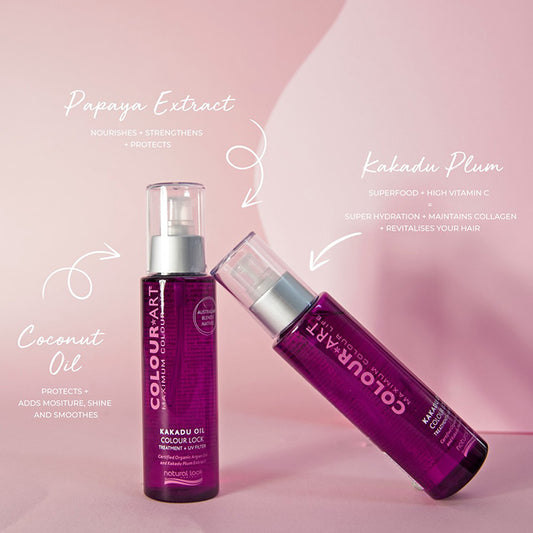
Natural Look Colour Art Kakadu Oil Treatment 120ml
Regular price $16.95Sale price $16.95 Regular priceUnit price per$30.90Sale -
Natural Look Colour Art Deep Mask 400g
Regular price $15.95Sale price $15.95 Regular priceUnit price per$30.05Sale -
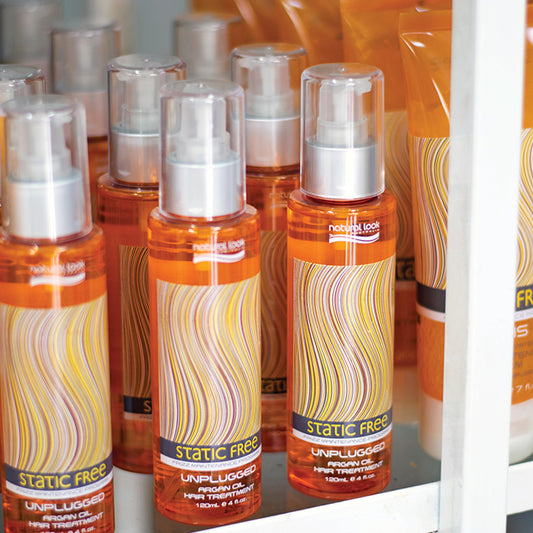
Natural Look Static Free Frizz Unplugged Argan Oil Hair Treatment 120ml
Regular price $21.95Sale price $21.95 Regular priceUnit price per$27.90Sale -
Natural Look Intensive Reconstructive Treatment 5L
Regular price $69.95Sale price $69.95 Regular priceUnit price per$78.95Sale -
Blackwood Bamboo Charcoal Treatment 375ml
Regular price $9.95Sale price $9.95 Regular priceUnit price per$19.95Sale -
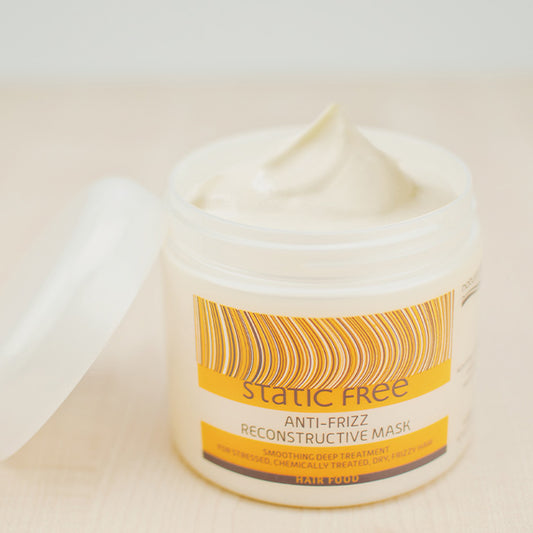
Natural Look Static Free Anti Frizz Reconstructive Mask 400ml
Regular price $16.95Sale price $16.95 Regular priceUnit price per$22.90Sale -
Brasil Cacau Step 3 Deep Conditioning Mask 1L
Regular price $59.95Sale price $59.95 Regular priceUnit price per$188.40Sale

























Your Questions Answered
Only if the label says "overnight mask." Most hair masks are not made for extended contact. Leaving them on overnight can over-soften the hair, making it mushy and weak. Protein masks left on too long cause stiffness. Follow the label instructions. 5 to 15 minutes is plenty for most formulas.
A deep conditioner is the lighter of the two. It softens and smooths moderately dry hair as part of regular upkeep. A hair mask is more concentrated, with a higher dose of moisture, protein, or pigment, so it's built for hair that's dry, damaged, or chemically processed. A deep conditioner maintains. A mask goes further.
Yes, on the days you mask. A hair treatment mask replaces your rinse-out conditioner for that wash. Don't use both. The mask already contains conditioning ingredients, and adding a separate conditioner on top can over-soften the hair and cause buildup. On non-mask days, use your regular conditioner.


