


-
Natural Look Purify Hair & Scalp Conditioner 300ml
Regular price $17.06Sale price $17.06 Regular priceUnit price per$18.95Sale -
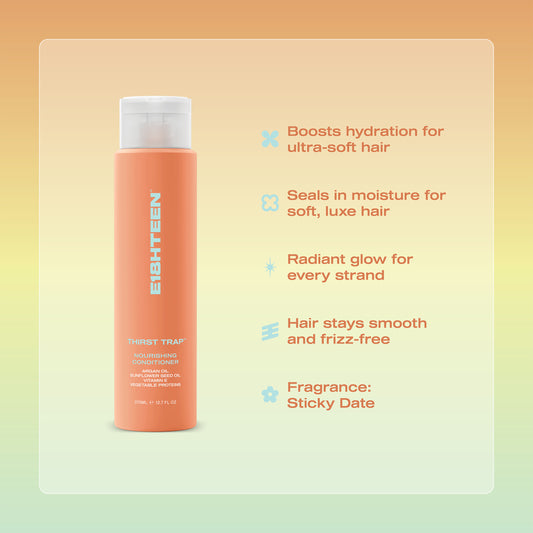
E18HTEEN Thirst Trap Conditioner 375ml
Regular price $14.95Sale price $14.95 Regular priceUnit price per$29.90Sale -
Natural Look X Ten Hair Extension Care Silky Lite Conditioner 300ml
Regular price $17.06Sale price $17.06 Regular priceUnit price per$18.95Sale -
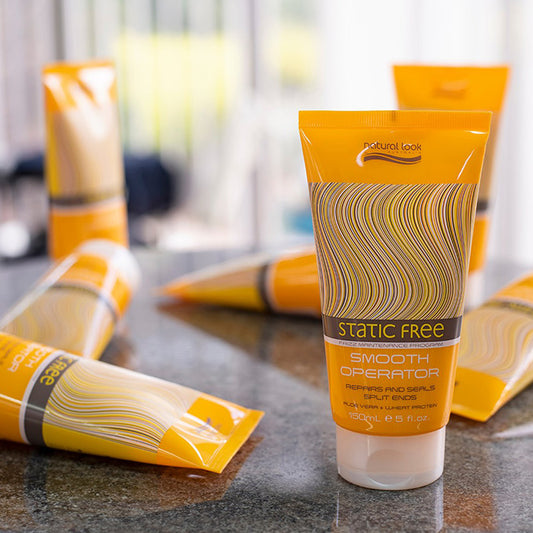
Natural Look Static Free Frizz Smooth Operator 150ml
Regular price $17.96Sale price $17.96 Regular priceUnit price per$19.95Sale -
Natural Look Silver Screen Ice Blonde Conditioner 1L
Regular price $35.96Sale price $35.96 Regular priceUnit price per$39.95Sale -
Natural Look Static Free Frizz Smooth Operator 500ml
Regular price $29.95Sale price $29.95 Regular priceUnit price per$29.95 -
Natural Look Static Free Anti Frizz Conditioner 1L
Regular price $33.26Sale price $33.26 Regular priceUnit price per$36.95Sale -
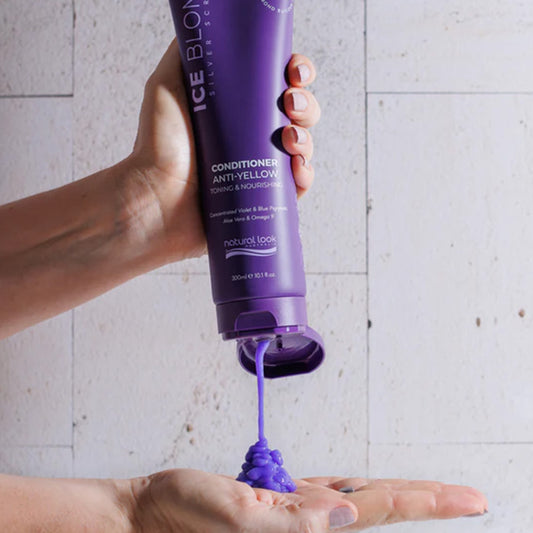
Natural Look Silver Screen Ice Blonde Conditioner 300ml
Regular price $17.06Sale price $17.06 Regular priceUnit price per$18.95Sale -
Brasil Cacau Primer Pre-Styling Leave-In 110ml
Regular price $22.70Sale price $22.70 Regular priceUnit price per$40.70Sale -
Olaplex No.5 Bond Maintenance Conditioner 250ml
Regular price $49.95Sale price $49.95 Regular priceUnit price per$60.00Sale -
12 Reasons Argan Oil Conditioner 400ml
Regular price $23.95Sale price $23.95 Regular priceUnit price per$29.95Sale -
12 Reasons Marula Oil Conditioner 400ml
Regular price $23.95Sale price $23.95 Regular priceUnit price per$29.95Sale -
12 Reasons Keratin Conditioner 400ml
Regular price $23.95Sale price $23.95 Regular priceUnit price per$29.95Sale -
12 Reasons Marula Oil Conditioner 1L
Regular price $42.95Sale price $42.95 Regular priceUnit price per$59.95Sale -
12 Reasons Argan Oil Conditioner 1L
Regular price $43.69Sale price $43.69 Regular priceUnit price per$59.95Sale -
12 Reasons Keratin Conditioner 1L
Regular price $42.95Sale price $42.95 Regular priceUnit price per$59.95Sale -
Natural Look Colour Art Colour Lock Conditioner 300ml
Regular price $24.75Sale price $24.75 Regular priceUnit price per$27.50Sale -
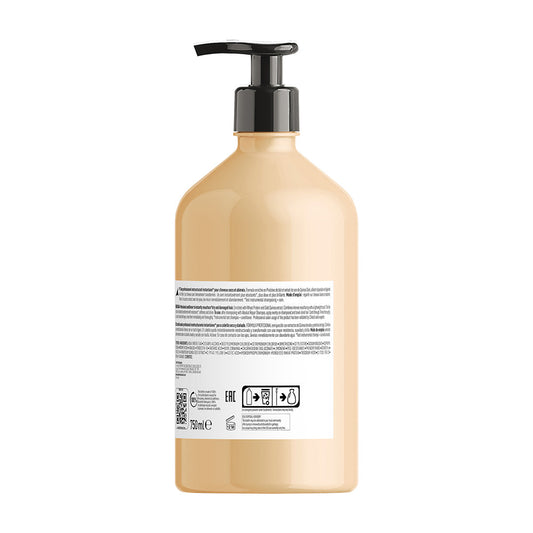
L'Oréal Professionnel Absolut Repair Conditioner 750mL
Regular price $69.95Sale price $69.95 Regular priceUnit price per$90.94Sale -
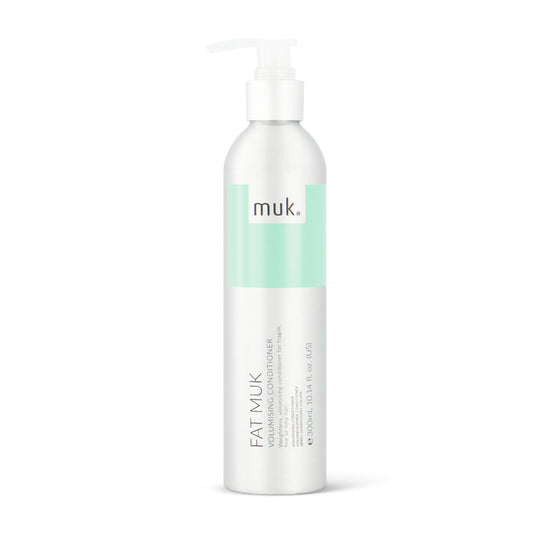
Muk Fat Muk Volumising Conditioner 300ml
Regular price $12.00Sale price $12.00 Regular priceUnit price per$29.95Sale -
BackBar Hydrate Conditioner 5L
Regular price $40.00Sale price $40.00 Regular priceUnit price per$74.90Sale -
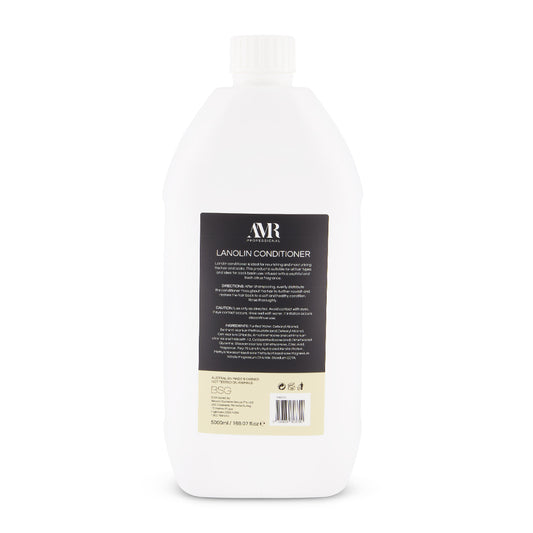
AMR Professional Lanolin Conditioner 5L
Regular price $40.00Sale price $40.00 Regular priceUnit price per$74.90Sale -
BackBar Strawberry Conditioner 5L
Regular price $40.00Sale price $40.00 Regular priceUnit price per$74.90Sale -
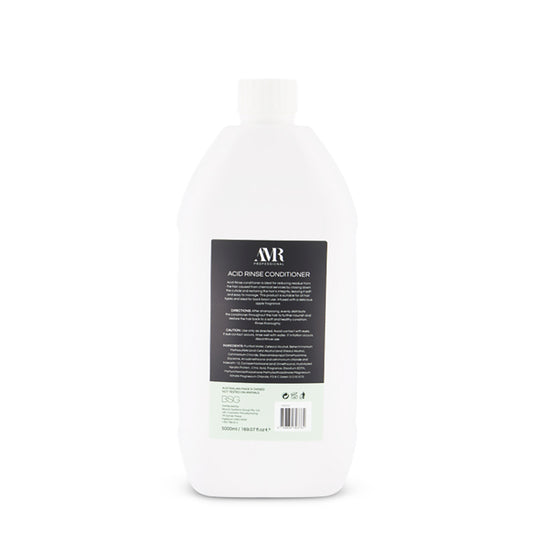
AMR Professional Acid Rinse Conditioner 5L
Regular price $40.00Sale price $40.00 Regular priceUnit price per$74.90Sale -
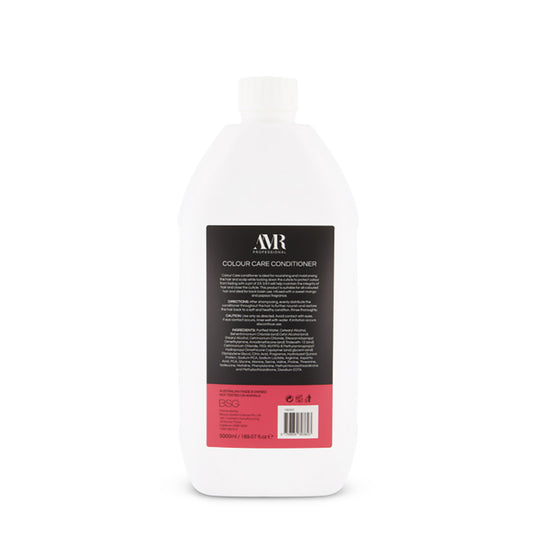
AMR Professional Colour Care Conditioner 5L
Regular price $40.00Sale price $40.00 Regular priceUnit price per$74.90Sale -
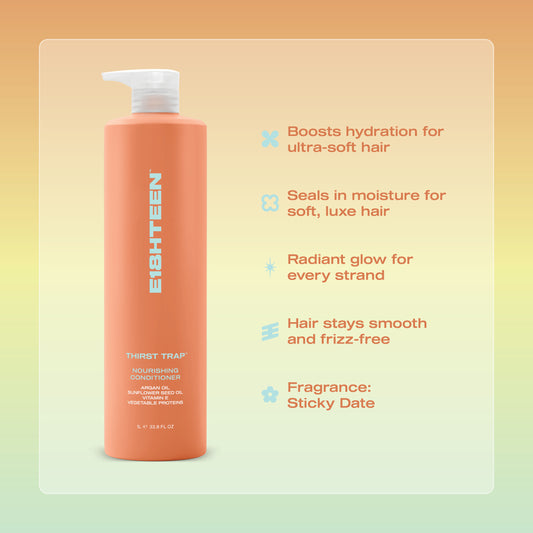
E18HTEEN Thirst Trap Nourishing Conditioner 1L
Regular price $19.95Sale price $19.95 Regular priceUnit price per$39.95Sale -
Natural Look Colourance Shine Enhancing Conditioner 300ml
Regular price $16.16Sale price $16.16 Regular priceUnit price per$17.95Sale -
Natural Look Oasis Moisturising Conditioner 300ml
Regular price $16.16Sale price $16.16 Regular priceUnit price per$17.95Sale -
Natural Look Daily Herbal Conditioner 300ml
Regular price $16.16Sale price $16.16 Regular priceUnit price per$17.95Sale -
Natural Look Colourance Shine Enhancing Conditioner 5L
Regular price $53.96Sale price $53.96 Regular priceUnit price per$59.95Sale -
Natural Look Oasis Moisturising Conditioner 5L
Regular price $53.96Sale price $53.96 Regular priceUnit price per$59.95Sale -
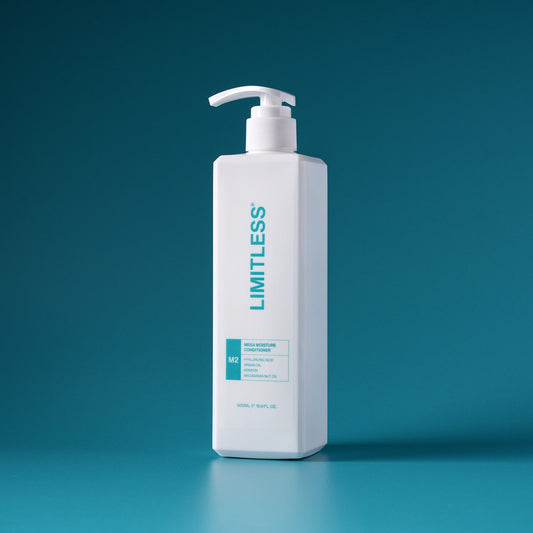
Limitless M2 Mega Moisture Conditioner 500ml
Regular price $24.95Sale price $24.95 Regular priceUnit price per$24.95 -
Limitless M2 Mega Moisture Conditioner 1L
Regular price $39.95Sale price $39.95 Regular priceUnit price per$39.95 -
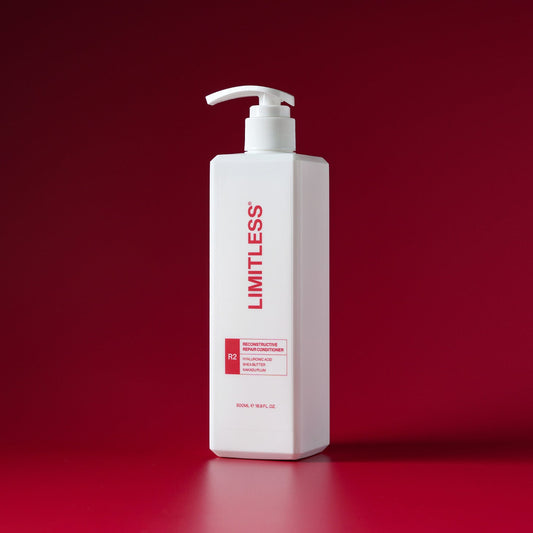
Limitless R2 Reconstructive Repair Conditioner 500ml
Regular price $24.95Sale price $24.95 Regular priceUnit price per$24.95 -
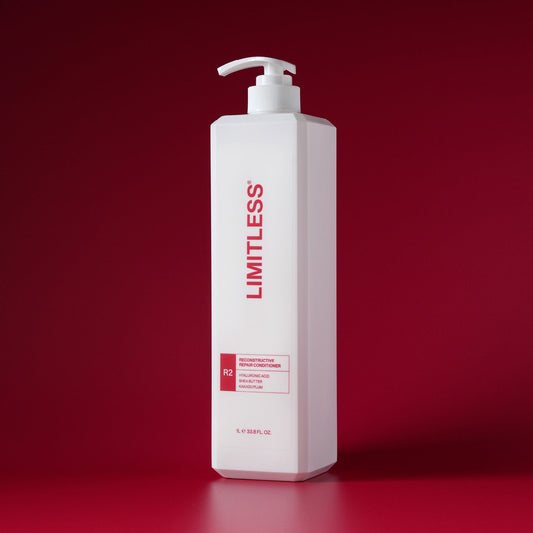
Limitless R2 Reconstructive Repair Conditioner 1L
Regular price $39.95Sale price $39.95 Regular priceUnit price per$39.95 -
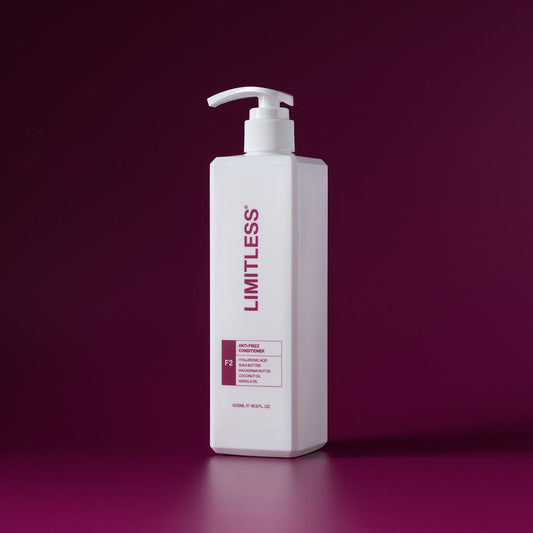
Limitless F2 Anti-Frizz Conditioner 500ml
Regular price $24.95Sale price $24.95 Regular priceUnit price per$24.95 -
Limitless F2 Anti-Frizz Conditioner 1L
Regular price $39.95Sale price $39.95 Regular priceUnit price per$39.95 -
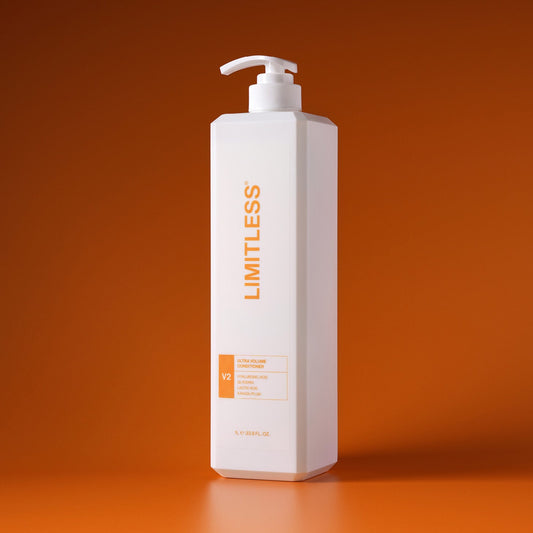
Limitless V2 Ultra Volume Conditioner 500ml
Regular price $24.95Sale price $24.95 Regular priceUnit price per$24.95 -
Limitless V2 Ultra Volume Conditioner 1L
Regular price $39.95Sale price $39.95 Regular priceUnit price per$39.95 -
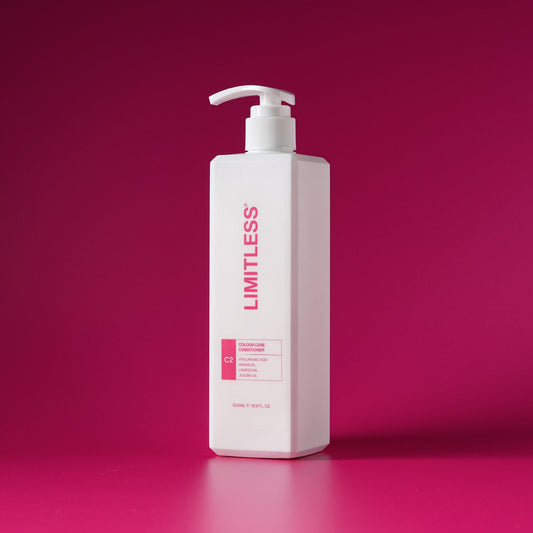
Limitless C2 Colour Care Conditioner 500ml
Regular price $24.95Sale price $24.95 Regular priceUnit price per$24.95 -
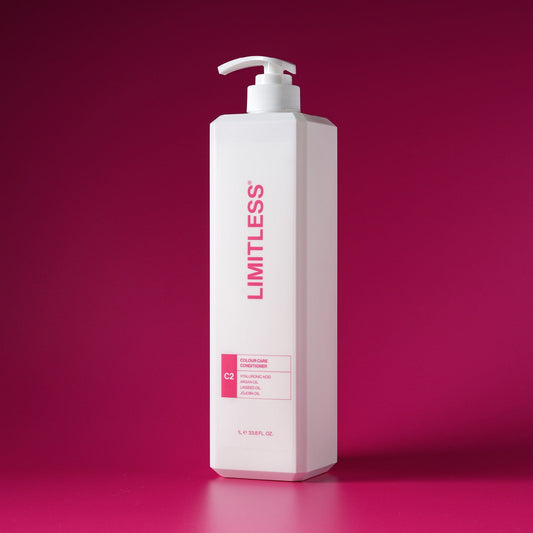
Limitless C2 Colour Care Conditioner 1L
Regular price $39.95Sale price $39.95 Regular priceUnit price per$39.95






























Your Questions Answered
It's usually better to keep conditioner off the scalp unless you're using a formula specifically designed for scalp hydration. Most conditioners are meant for the mid-lengths and ends, and applying them to the roots can lead to buildup or flatness. If your scalp feels dry, look for a soothing scalp treatment instead.
It's better not to. Leave-in treatments serve a different purpose. They offer ongoing moisture and protection throughout the day. But they don't replace the rinse-out conditioner's job of smoothing the cuticle and detangling after shampooing. Use both, rinse-out first, then leave-in.
You can, but consistency usually gives better results. Conditioners are designed to work with specific shampoos and hair needs, so switching frequently can make it harder to see what's actually working. Stick with one that suits your hair type for at least a few weeks before deciding if it's right for you.
The conditioner is for daily or regular use. It smooths and detangles after every wash. A hair mask is a deeper treatment meant for weekly use. It stays on longer and contains higher concentrations of active ingredients to address specific issues like damage or extreme dryness. Think of conditioner as maintenance and mask as repair.


